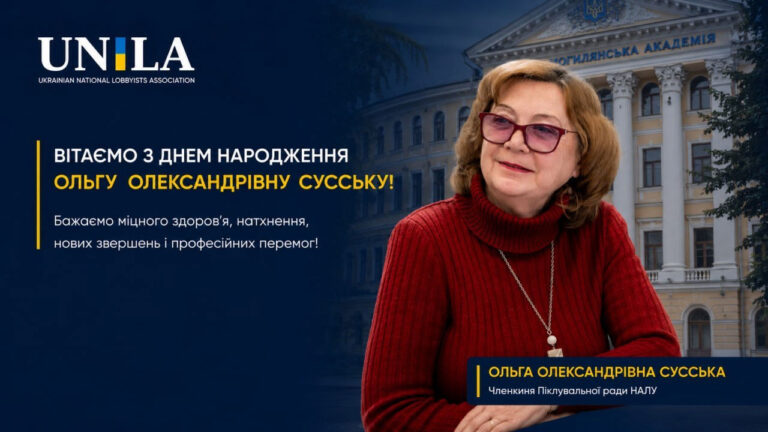
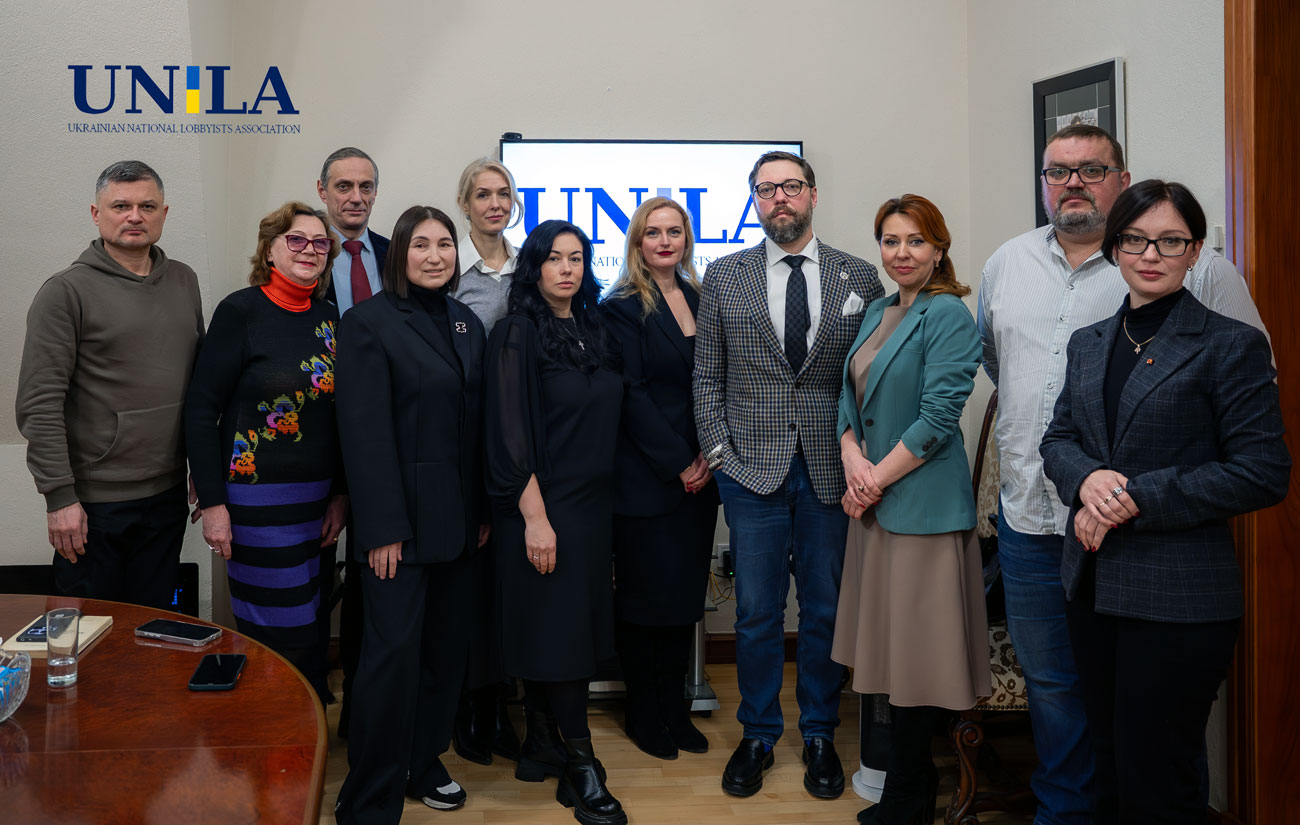
Sociology as a tool for lawmaking: a working meeting with Olha Susska was held at the Higher School of Lobbying of the Ukrainian Lobbying Association
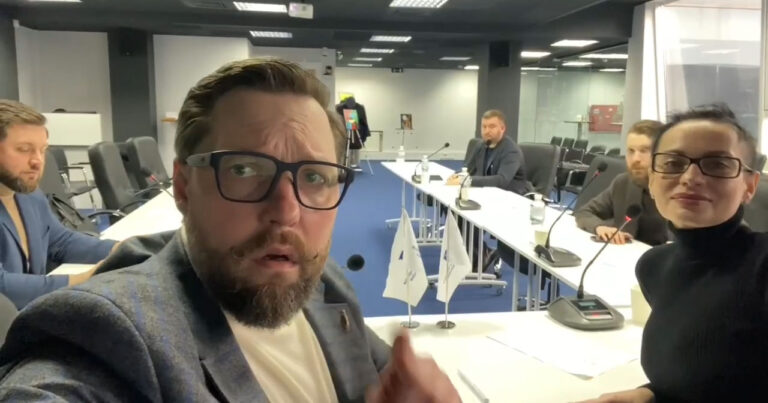
The Higher School of Lobbying of the Ukrainian National Lobbyists Association hosted another professional event – a closed working meeting of political scientists, sociologists and experts in the field of lawmaking. This time, the working meeting was devoted to the role of sociology in the preparation of administrative and legal decisions.
A special feature of the meeting was the participation of one of the country’s leading sociologists, Doctor of Science, Professor, Vice President of the Association of Political Psychologists of Ukraine, Olha Susska, with whom the participants discussed practical approaches to the use of sociology in lawmaking and advocacy of public policies.
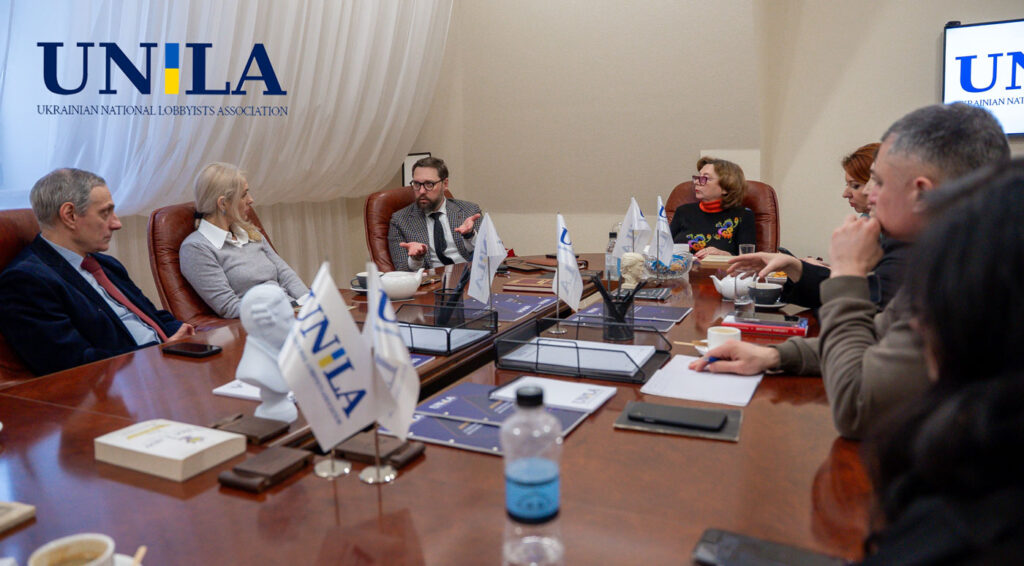
The event became a platform for in-depth professional discussion on how sociological research can be used as a tool to assess the potential of regulations at the stage of their development, in particular, to determine the level of public support, possible risks and social consequences of future decisions.
During the discussion, several fundamental positions were outlined regarding the place of sociology in the system of preparation and implementation of legislative decisions. In particular, the need for systematic testing of any legislative initiatives before they are introduced was emphasized – in terms of social need, functionality and predicted effectiveness.
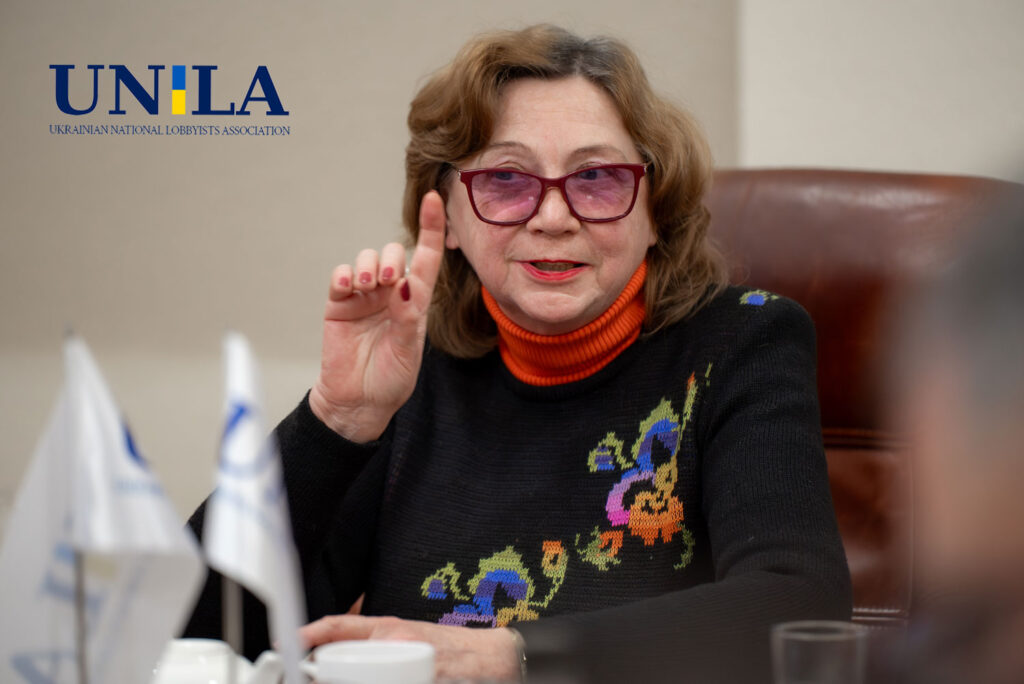
According to Ms. Susska, sociological research should not only serve as a record of public opinion, but also become a tool for preliminary assessment of risks, consequences, and potential for implementing regulations.
The participants of the working meeting paid special attention to the practical experience of involving sociologists in the preparation of information and media legislation, as well as in the work on comprehensive studies that accompanied the discussion of changes in the media sphere. This approach, according to experts, not only improves the quality of regulation but also prevents the emergence of norms that are detached from the real state of society and professional environments.
The participants also raised the issue of institutional weakness of sociological expertise in parliamentary work. It was noted that at different times in Ukraine’s history, sociological units actually existed in the Verkhovna Rada, but over time, interest in systematic analysis of the perception and implementation of laws has declined significantly. This has resulted in a situation where legislation is extremely branched and detailed, but often remains formal in terms of actual implementation.
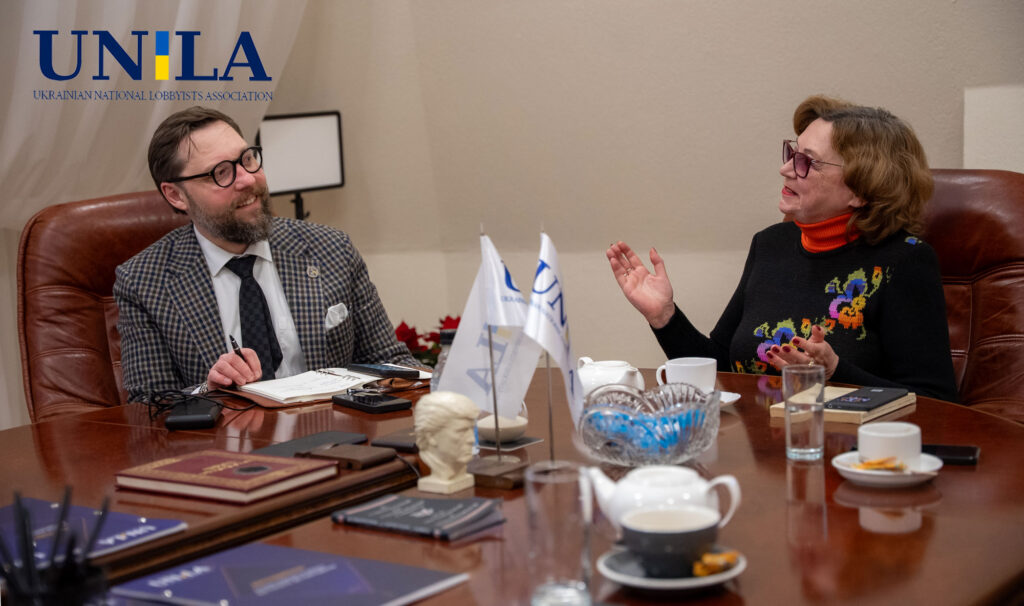
Experts agreed that the effectiveness of laws is directly related to understanding how they will be perceived by different groups of the population, whether society is ready for the relevant changes, and whether these changes meet current needs. Without such data, the legislator is effectively working “blindly,” which leads to legal conflicts, low compliance with the law, and a loss of trust in institutions.
The challenges of post-war recovery and future political processes were discussed separately. Participants emphasized that preparations for the resumption of democratic procedures, including elections, should be based not only on legal decisions but also on a deep analysis of the psychological state of society. The level of exhaustion, trauma, and the growing number of people refusing to participate in polls already signal the need to revise traditional approaches to measuring public opinion.
The next working meeting of the Higher School of Lobbying confirmed the common vision of the invited experts: sociology should become an integral part of the lawmaking cycle – from the formation of an idea to the evaluation of the results of implementation. It is this approach that can ensure the transition from formal rulemaking to the creation of truly working and socially legitimate solutions.