The Ukrainian National Lobbyists Association officially presents a security manifesto
The Ukrainian National Lobbyists Association, together with leading experts, presents the SECURE MANIFEST, a strategic recommendation document that defines the legal and security framework for organizing and conducting elections under a special legal regime.
The UNLA publicly appeals to the Verkhovna Rada of Ukraine and the Central Election Commission to take into account the provisions of the Manifesto when developing and implementing relevant legal and organizational mechanisms. We call on the state authorities to consider these developments as a conceptual basis for the formation of a secure electoral environment capable of ensuring the sustainability of state institutions and the continuity of the exercise of people’s sovereignty.
SECURITY MANIFESTO
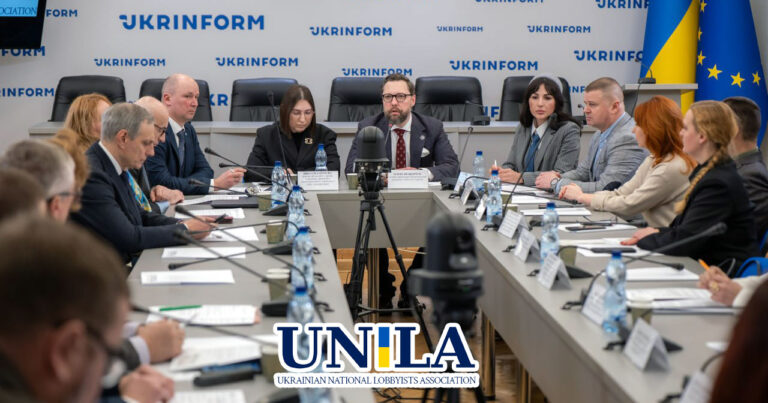
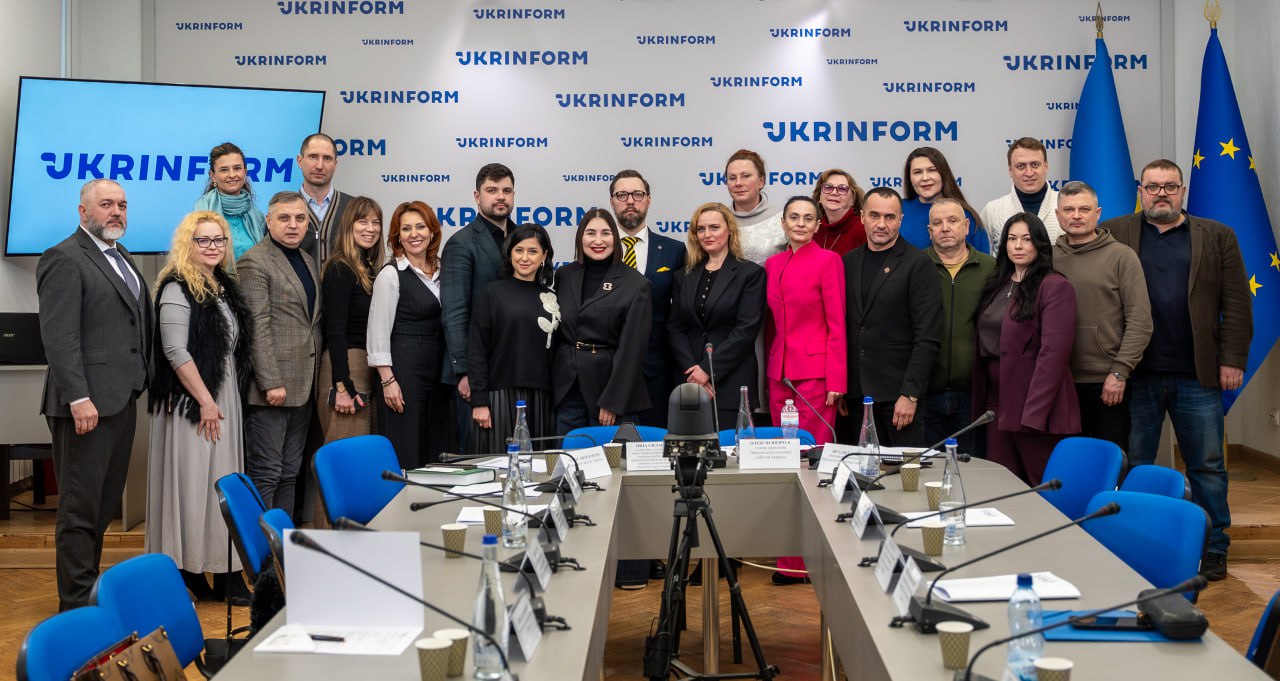
This Security Manifesto is based on the results of the public discussion “Challenges of organizing and conducting elections under a special legal regime” held with the participation of representatives of the Verkhovna Rada of Ukraine, experts and civil society institutions.
The discussion focused on determining the legal, organizational and security conditions for ensuring the legitimacy of the electoral process and the continuity of the exercise of people’s sovereignty under martial law.
The discussion centered on the issue of public trust in the procedure for organizing and conducting elections, as well as in the legitimacy of their results in times of war.
The panelists drew attention to the risks of interference in the election process by the Russian Federation, as well as possible internal and external manifestations of fraud that could affect the free formation of the will of voters and call into question the legitimacy of the election results.
Particular attention is paid to the fundamental content of citizenship as a stable public legal relationship between the state and a citizen, which does not cease in times of war and forced displacement of citizens outside Ukraine.
Citizenship implies mutual rights and obligations: the right of citizens to participate in the formation of public authorities and the corresponding obligation of the state to ensure that everyone has the conditions to exercise these rights in accordance with the Constitution and the rule of law, especially in the postwar period.
The discussion emphasized the objective obstacles to the exercise of voting rights by millions of citizens, including military personnel, internally displaced persons, Ukrainian citizens temporarily outside the country, and those living in the temporarily occupied territories.
In defending its sovereignty, Ukraine cannot deviate from democratic principles even under martial law, so the organization of the electoral process requires finding fair and safe solutions.
It is this understanding of democracy as a living value based on the rule of law, political accountability, and ensuring a fair, secure, and legitimate electoral process that has become the basis for the development of this Security Manifesto.
- SECURITY AS A PREREQUISITE AND GUARANTEE
Elections are possible only if the lives and health of citizens are prioritized, which means physical security of polling stations, availability of shelters, demining of territories, and readiness for flexible voting formats – including voting over several days – to minimize mass gatherings in the event of air threats and to ensure the possibility of expressing one’s will in the absence of electricity or heat.
- THE FIRMNESS OF CONSTITUTIONAL PRINCIPLES
After the end of martial law, the electoral process should be based on universal, equal and direct suffrage by secret ballot. Any temporary restrictions should be clearly justified, proportionate and strictly limited in time so as not to undermine the very foundation of the democratic system.
- POLITICAL SUBJECTIVITY OF MILITARY PERSONNEL AND VETERANS
Ensuring the right of military personnel to vote and be elected is a matter of national justice and public gratitude. The state should develop effective and secure voting mechanisms in places where the military is deployed and where veterans are stationed, as well as create conditions for the full participation of the military and veterans in the political life of the country.
- INDISSOLUBILITY OF CITIZENSHIP
Citizenship is a permanent legal relationship that does not cease as a result of armed aggression, evacuation, captivity or forced migration. The state recognizes the right of every citizen to vote and to be elected, regardless of his or her life circumstances.
- PRIORITIZATION AND PHASING OF THE ELECTORAL PROCESS
Taking into account the parliamentary discussions and the developments of the Central Election Commission, the priority may be to hold presidential elections as a tool to confirm the legitimacy of the top state leadership. At the same time, the security and organizational dimensions, including ensuring voting by citizens abroad and resolving the issue of participation by residents of the temporarily occupied territories, remain key challenges.
- ENSURING THE VOTING RIGHTS OF DISPLACED PERSONS AND REFUGEES
The exercise of the voting rights of millions of citizens who are abroad or have the status of internally displaced persons requires complex and coordinated management decisions, including the formation of an effective network of foreign polling stations, the introduction of secure digital accounting tools, and ensuring real accessibility of electoral procedures in places where Ukrainians live densely.
- PROTECTION OF INFORMATION SPACE AND CYBERSECURITY
The security of the expression of will is inextricably linked to countering hybrid threats and requires ensuring the resilience of voter registers to cyberattacks, as well as the introduction of systemic mechanisms to counter disinformation in order to prevent external influence on the conscious choice of citizens and discredit the election results.
- FAIR TERRITORIAL ORGANIZATION OF ELECTIONS
Elections should be based on clear, unified and transparent security criteria for each community. To this end, it is necessary to develop a unified methodology for assessing security risks in the de-occupied and frontline territories, which will make political manipulation during the election process impossible.
- RESTORING AND STRENGTHENING TRUST IN INSTITUTIONS
Post-war elections should serve as a tool to overcome social alienation and restore trust. A transparent vote count, the participation of international observers, and an open public dialog on each stage of the electoral process are critical to building a new architecture of public trust.
- POPULATION CENSUS AS A TOOL FOR COMPILING VOTER LISTS
Updating population data through a census or integration of state registers is a prerequisite for the formation of reliable voter lists and ensuring equal suffrage in the context of mass migration in the post-war period.
- INTERNATIONAL TRUST AND COMPLIANCE WITH STANDARDS
The organization of post-war elections should meet international democratic standards and be transparent and open to independent assessment by international partners and observers.
- ELECTORAL CULTURE AND RESPONSIBILITY
Elections are, first and foremost, a culture of civic participation, which implies joint responsibility of the state, political forces, media and citizens for the fairness of the process and informed choice.
- VICTORY OF DEMOCRATIC VALUES
Ukraine needs to demonstrate that its victory is measured by its success on the battlefield, as well as by its continued commitment to democratic principles. The post-war elections are a test of democratic maturity, in which the complexity of governance decisions cannot serve as an excuse for restricting rights and freedoms. It is a manifesto of faith in a state that works for the people of Ukraine, respects the dignity of every citizen, and maintains its democratic course even after the most difficult challenges.
BY PROTECTING THE LAW, WE PROTECT SECURITY
BY PROTECTING PEOPLE, WE PROTECT UKRAINE
- OLEKSII SHEVCHUK Chairman of the Board of the National Association of Lobbyists of Ukraine
- Sergiy PETKOV Doctor of Law, Professor, Lieutenant Colonel
- DENYS BOGUSH Ukrainian political strategist, President of the Association of Political Consultants of Ukraine
- Sergiy Godnyi PhD in Political Science
- OLGA SUSSKA Doctor of Sociology, Professor
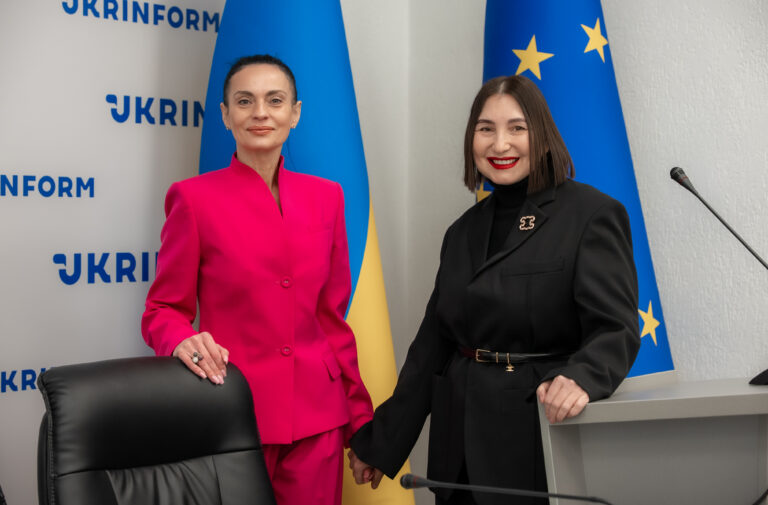
The National Association of Lobbyists of Ukraine expresses its sincere gratitude to the expert community for their active participation in the public discussion “Challenges of organizing and conducting elections under the conditions of a special state of emergency”, held on January 16, 2026, at the press center of the Ukrinform news agency.
Ukrainian National Lobbyists Association