Round table “Veteran’s Code of Ukraine: doctrinal and legal grounds and current issues of adoption”
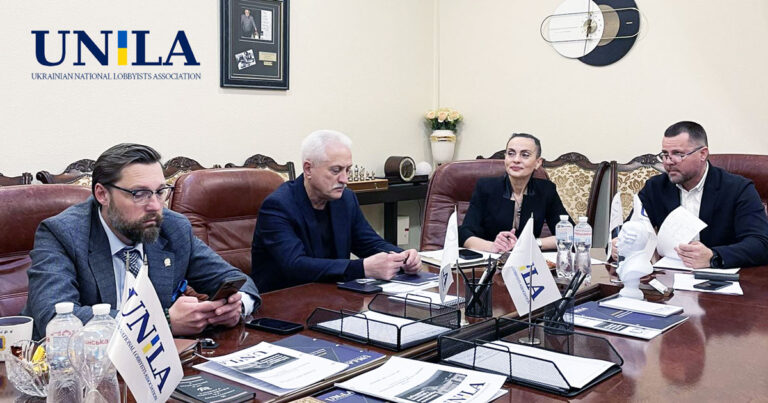
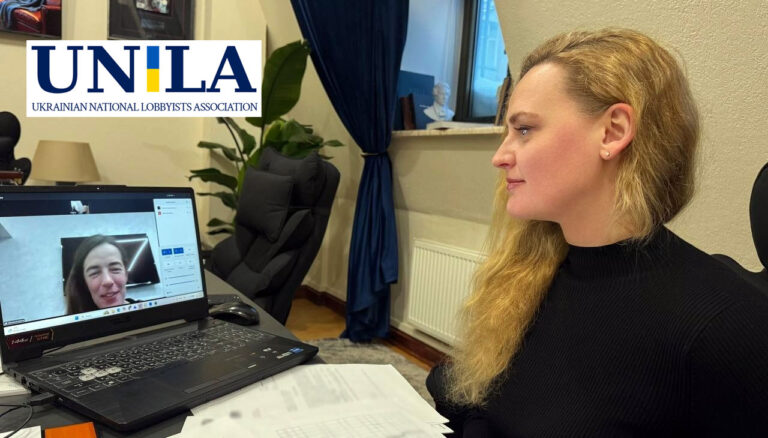
On March 13, 2026, the V.M. Koretsky Institute of State and Law of the National Academy of Sciences of Ukraine hosted a scientific and expert roundtable discussion on the topic “Veterans’ Code of Ukraine: Doctrinal and Legal Grounds and Current Issues of Adoption”. The event brought together leading scholars, practicing lawyers, attorneys, representatives of the expert community and civil society to discuss the conceptual foundations of the formation of a modern state veteran policy and the prospects for codifying legislation in this area.
Director of the V.M. Koretsky Institute of State and Law of the National Academy of Sciences of Ukraine, Doctor of Law, Professor, Vice President of the National Academy of Legal Sciences of Ukraine, Academician of the National Academy of Legal Sciences of Ukraine Oleksandr Skrypniuk delivered an opening speech, emphasizing the particular importance of systematic understanding of the state veterans’ policy in the context of a full-scale war and the need to develop scientifically sound approaches to codifying legislation in this area.
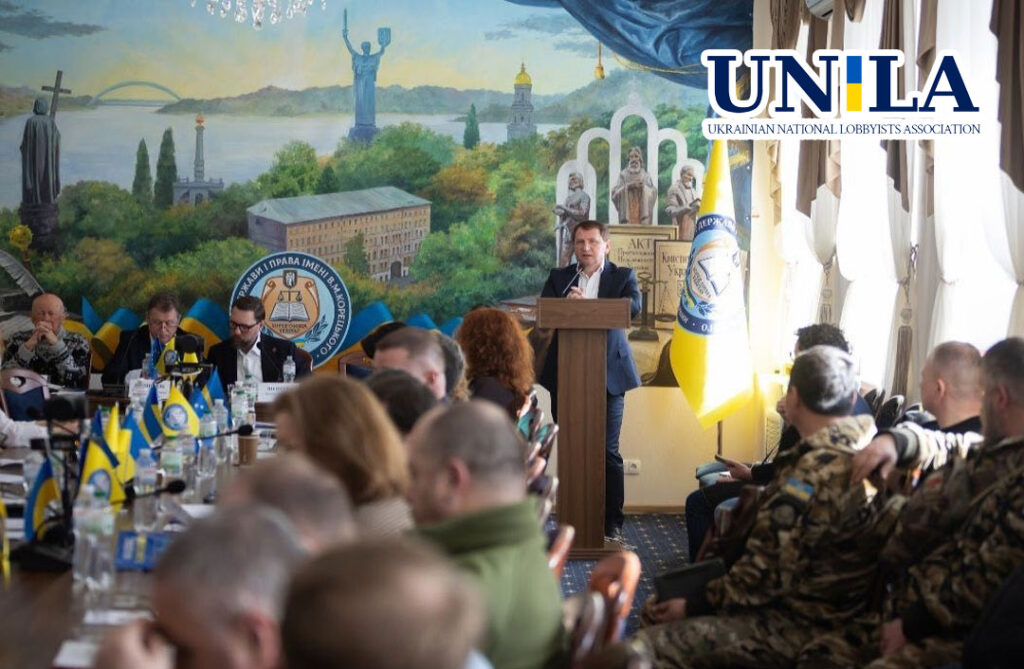
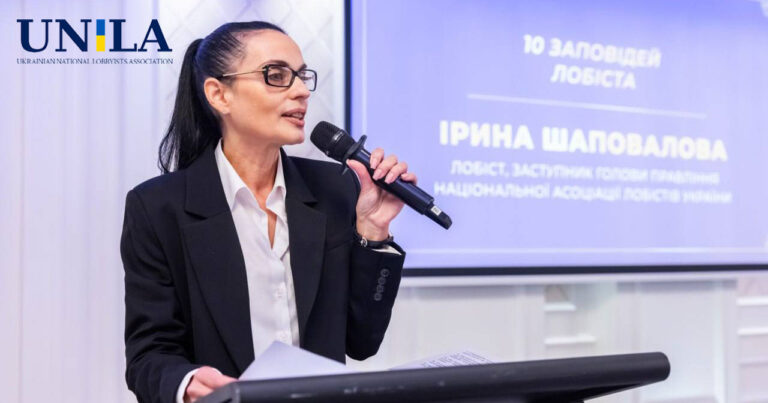
The event was also greeted by Oleksiy Shevchuk, Chairman of the Board of the Ukrainian National Lobbyists Association, who emphasized the importance of professional dialogue between scholars, government officials and civil society for the development of effective public policies, including in the area of protecting the rights of veterans and their families.
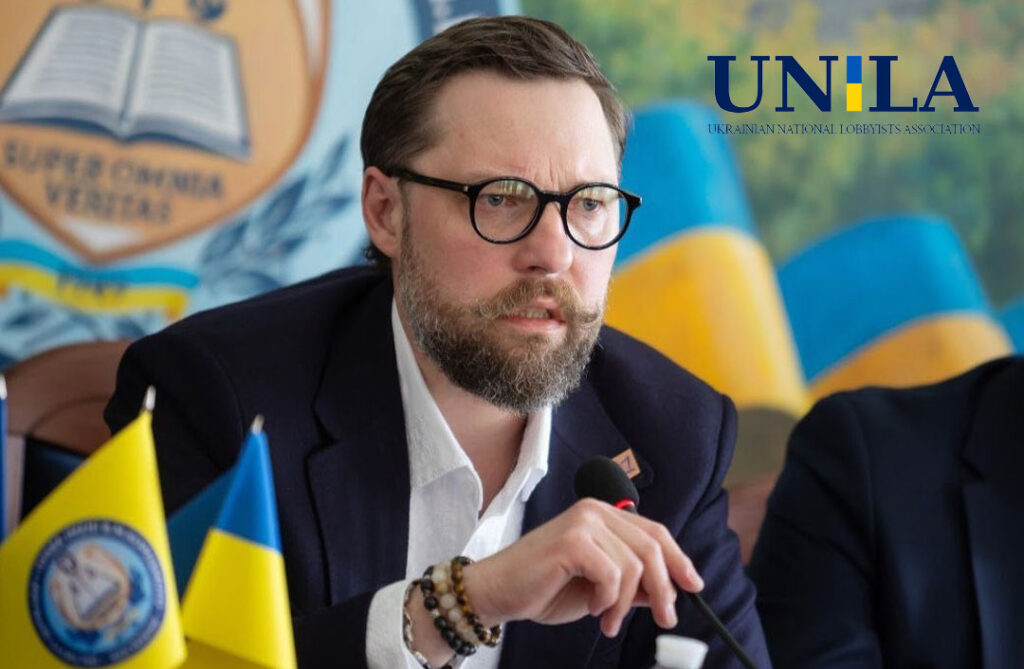
The roundtable was attended by leading Ukrainian scholars and experts, including:
- Oleksandr Bandurka First Vice President of the National Academy of Legal Sciences of Ukraine, Doctor of Law, Professor, Academician of the National Academy of Legal Sciences of Ukraine
- Oleh Tkachuk Judge of the Grand Chamber of the Supreme Court
- Natalia Onishchenko, Doctor of Law, Academician of the National Academy of Sciences of Ukraine, Deputy Director of the V.M. Koretsky Institute of State and Law of the National Academy of Sciences of Ukraine;
- Pavlo Kulinich, Doctor of Law, Professor, Head of the Department of Agrarian, Land, Environmental and Space Law at the V.M. Koretsky Institute of State and Law of the National Academy of Sciences of Ukraine;
- Oleg Martselyak, Doctor of Law, Professor, Research Fellow at the V.M. Koretsky Institute of State and Law of the National Academy of Sciences of Ukraine;
- Natalia Kaminska, Doctor of Law, Professor, Leading Researcher at the V.M. Koretsky Institute of State and Law of the National Academy of Sciences of Ukraine;
- Liudmyla Kozhura, Doctor of Law, Professor, Director of the Vadym Hetman Kyiv National Economic University Law Institute;
- Yaroslav Melnyk, Doctor of Law, Senior Research Fellow at the Department of Research on Problems and Adaptation of Ukrainian Legislation to EU Law of the Institute of Lawmaking and Scientific and Legal Expertise of the National Academy of Sciences of Ukraine;
- Sergey Petkov, Doctor of Law, Professor, Lieutenant Colonel;
- Mykola Mykytyuk, Doctor of Law, Professor, Institute of the State Protection Department of Ukraine, Taras Shevchenko National University of Kyiv, Colonel;
- Olga Susskaya, Doctor of Sociology, Professor;
- Andriy Yosypov is an attorney at law, partner at Barristers, PhD in Law;
- Serhiy Movshuk is an assistant commander of a military unit for legal work, senior lieutenant of justice;
- Yana Tsymbalenko is an associate professor of the Department of Management Theory and Practice at Igor Sikorsky Kyiv Polytechnic Institute, PhD in Public Administration.
Key topics of the discussion
The roundtable participants focused on analyzing the draft Veterans’ Code of Ukraine submitted by the Cabinet of Ministers of Ukraine to the Verkhovna Rada in November 2025. During the discussion, it was noted that the current version of the document requires significant revision, in particular with regard to its conceptual structure, legal certainty and practical application.
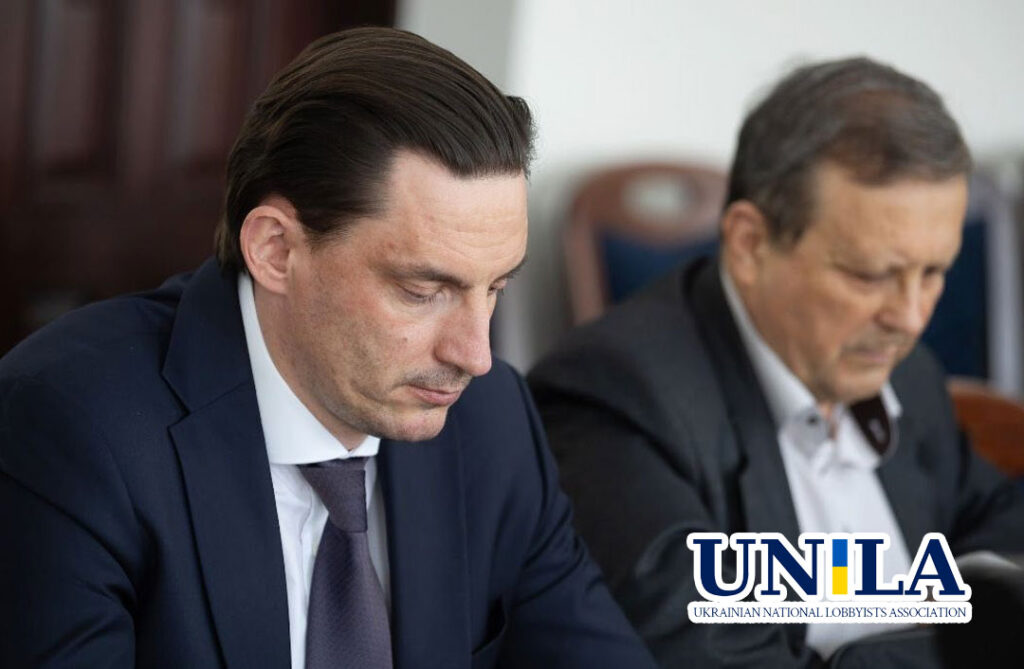
Andriy Yosypov, attorney at law and partner at Barristers, emphasized that the reform of veterans’ legislation is of strategic importance for national security. In his opinion, the Veterans’ Code should be primarily an applied tool that allows veterans to clearly and understandably define their rights and mechanisms for their implementation without excessive bureaucratization.
Among the positive conceptual innovations of the draft law, he mentioned the idea of distinguishing between state and social support for veterans, which provides for the preservation of social assistance even in cases of loss of certain forms of state support. At the same time, the expert warned against excessive dependence of veterans’ rights on bylaws, as a significant number of the draft law’s provisions provide for their application “in the manner determined by the Cabinet of Ministers of Ukraine.”
Olga Susskaya, Doctor of Sociology, drew attention to the need for functionality and consistency of legislation regulating the activities of social institutions. According to her, the current Ukrainian legal system is characterized by significant fragmentation and duplication of regulations, which complicates their practical application. In this context, she emphasized the importance of clear legal terminology and systematic codification of legislation in the field of veterans’ policy.
Natalia Kaminska said that a working group has been set up under the Verkhovna Rada Committee on Social Policy and Protection of Veterans’ Rights to draft the bill. According to her, scientific institutions, higher education institutions, representatives of civil society and veterans’ organizations are involved in the process of drafting the document.
An important practical addition to the scientific discussion was the speech by Serhiy Movshuk, Assistant Commander of the military unit for Legal Affairs, Senior Lieutenant of Justice, who shared his experience of law enforcement directly in the military system.
He emphasized that Ukraine is certainly a state governed by the rule of law, but in practice there is often a significant gap between the law and its actual implementation.
He also drew attention to the importance of involving professional representatives of the veteran community who have not only combat experience but also professional knowledge in law, public administration, or economics in the development of the Veterans’ Code.
He paid special attention to the issue of legal protection of military family members, emphasizing that the psychological and social consequences of war have a significant impact on military families. In his opinion, veteran policy should include systemic support for military families and children of war.
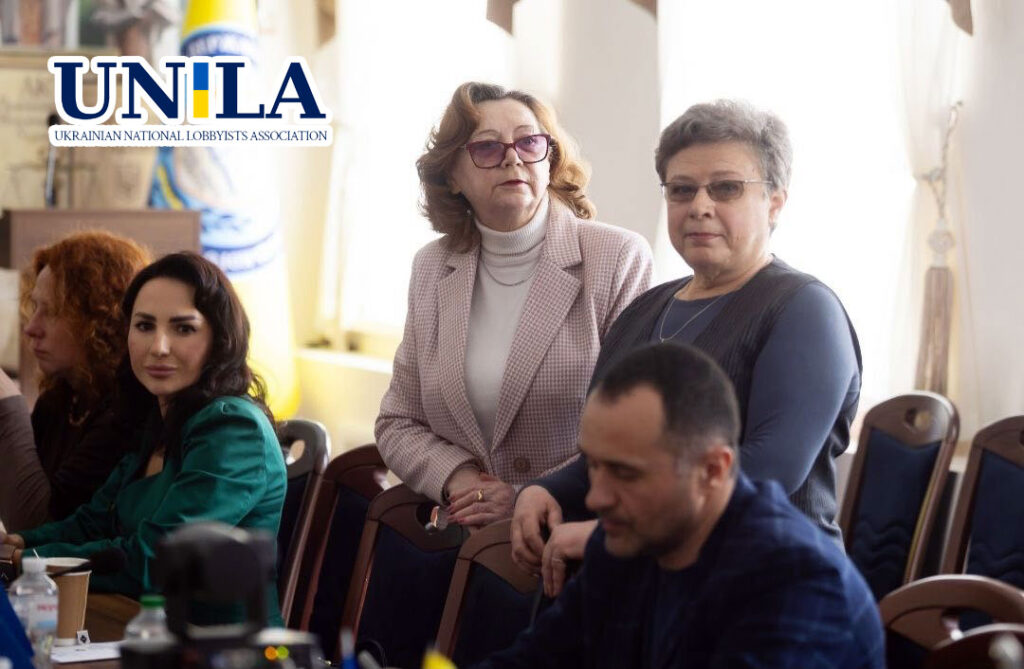
In her speech, Yana Tsymbalenko, PhD in Public Administration, drew attention to the importance of fostering a culture of gratitude to the state’s defenders in society. In her opinion, gratitude cannot be fully regulated by the law; it is formed through education, culture of memory, civic education and daily practice of public life.
At the same time, she positively assessed the idea of introducing veterans’ support specialists who could help veterans interact with state institutions and exercise their rights. However, according to her, the very emergence of such an institution raises an important question: whether the legal system is too complicated for those it is supposed to serve.
Results of the discussion
The participants of the roundtable agreed that the Veterans Code of Ukraine is a necessary step to systematize and modernize veterans’ legislation, but its preparation requires a deeper scientific study, broad expert discussion and active participation of representatives of the veterans’ community.
Special attention was paid to the need:
- ensuring clear legal certainty of the rules;
- financial backing of the guarantees declared by the state;
- harmonizing the provisions of the Code with the current legislation;
- formation of a systemic state veteran policy.
Following the event, a proposal was made to intensify inter-institutional dialogue and create a broad expert platform for finalizing legislative initiatives in the field of veterans’ rights protection.
The roundtable became an important platform for professional discussion on the future of veterans’ policy in Ukraine and confirmed the significant potential for cooperation between the scientific community, lawyers and civil society representatives in formulating effective legislative solutions.