
Lobbying in action: how systematic communication restored access to the grant program for Lviv businesses
At the beginning of 2026, Lviv region’s manufacturing companies effectively lost access to the state grant program. For the region, this meant not just a failure in technical service, but the risk of losing investments, new jobs, tax revenues, and opportunities to book critical workers.
These were projects worth UAH 8-16 million, which are important for the development of production and the local economy. In a number of other regions of Ukraine, businesses continued to apply for and receive funding without hindrance, while Lviv region businesses were effectively cut off from this support tool.
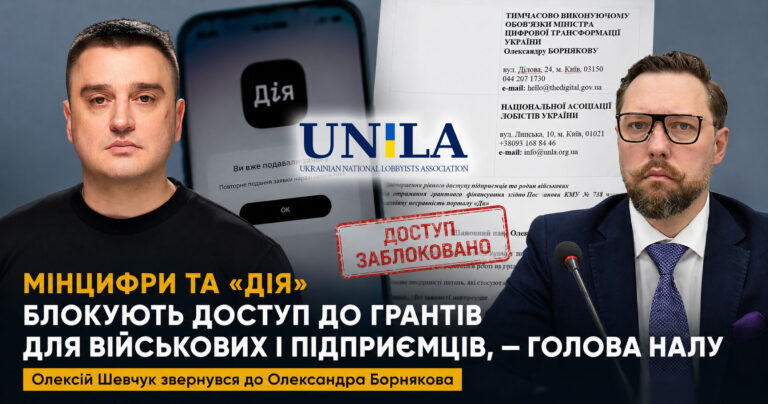
The problem was apparently “technical” in nature, but its consequences were entirely managerial and economic. Despite calls to government hotlines and attempts to draw attention to the situation, there were either no responses or formal reactions.
In this situation, Anna Kostiuk, a representative of the Ukrainian National Lobbyists Association in Lviv Oblast, drafted official appeals to the Lviv Regional Military Administration, the Ministry of Digital Transformation, and MPs from Lviv Oblast. According to the Association, such consistent inter-institutional communication was crucial for the rapid resumption of the program.
The result was practical and quick: the program resumed its work within three days, and Lviv region businesses were able to apply for grants. In this case, lobbying was not a backroom influence, but a transparent mechanism for protecting the region’s economic interests through official channels of interaction with the state.
This story shows that lobbying in the modern sense is not about informal agreements, but about a clear articulation of the problem, consolidation of the business position, the right choice of the entry point into the decision-making system, and the ability to turn a technical failure into a specific management decision.