Protecting Ukrainian Innovations: Why We Need to Reform the Patent Attorney System
Behind every trademark or invention lie investments, hard work, and plans for growth. However, the reliability of their legal protection also depends on whom a business trusts to represent its interests. How can one verify the competence of such a specialist, guarantee confidentiality, and ensure accountability for professional misconduct? These very questions formed the basis of the discussion on reforming the institution of patent attorneys.
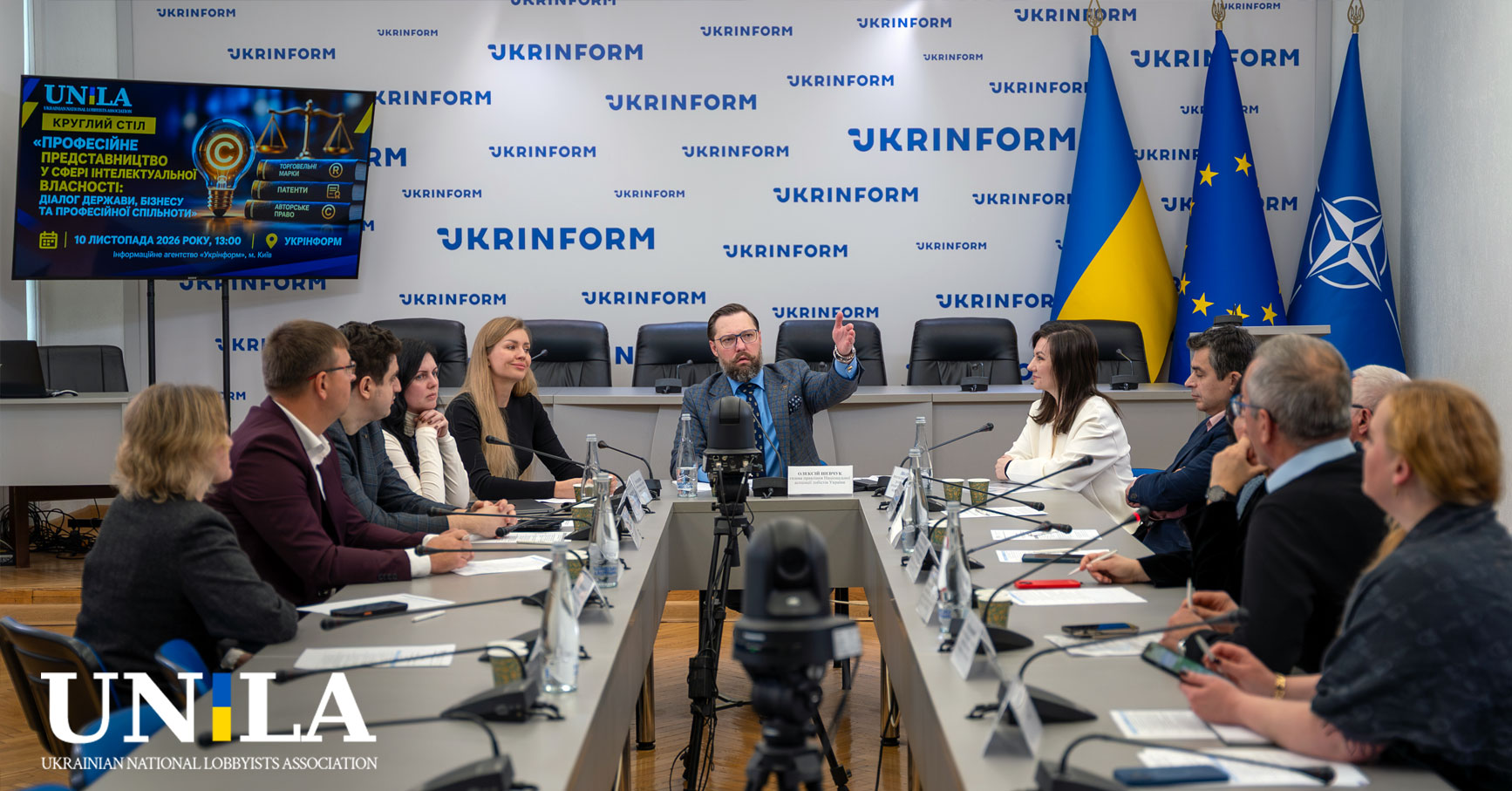
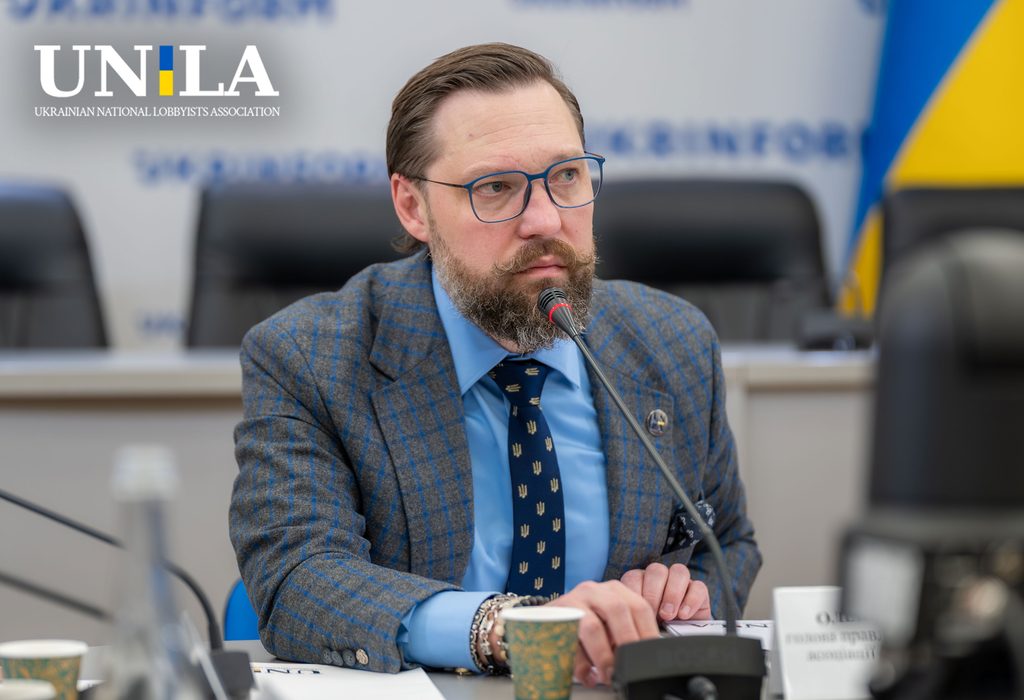
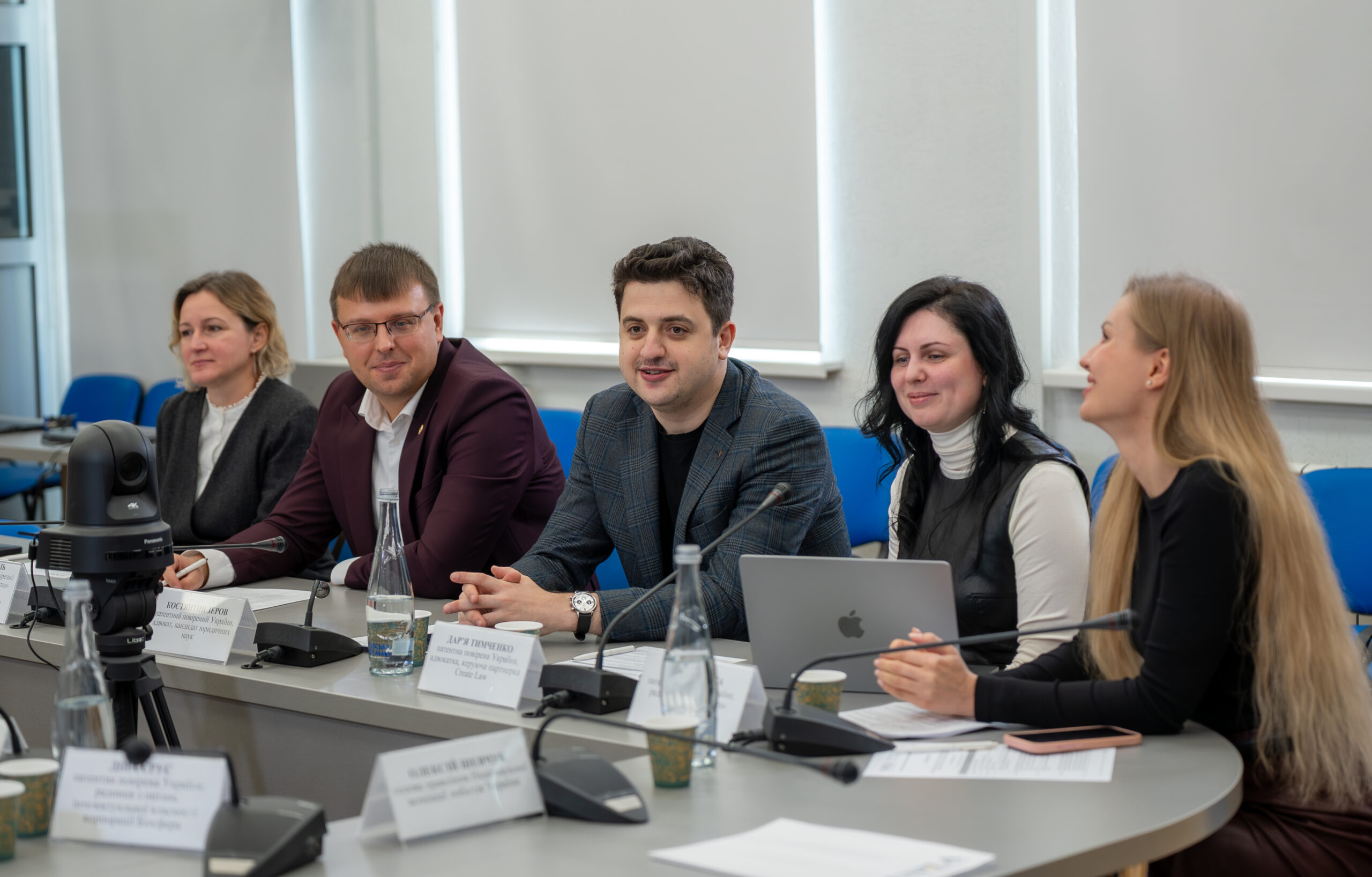
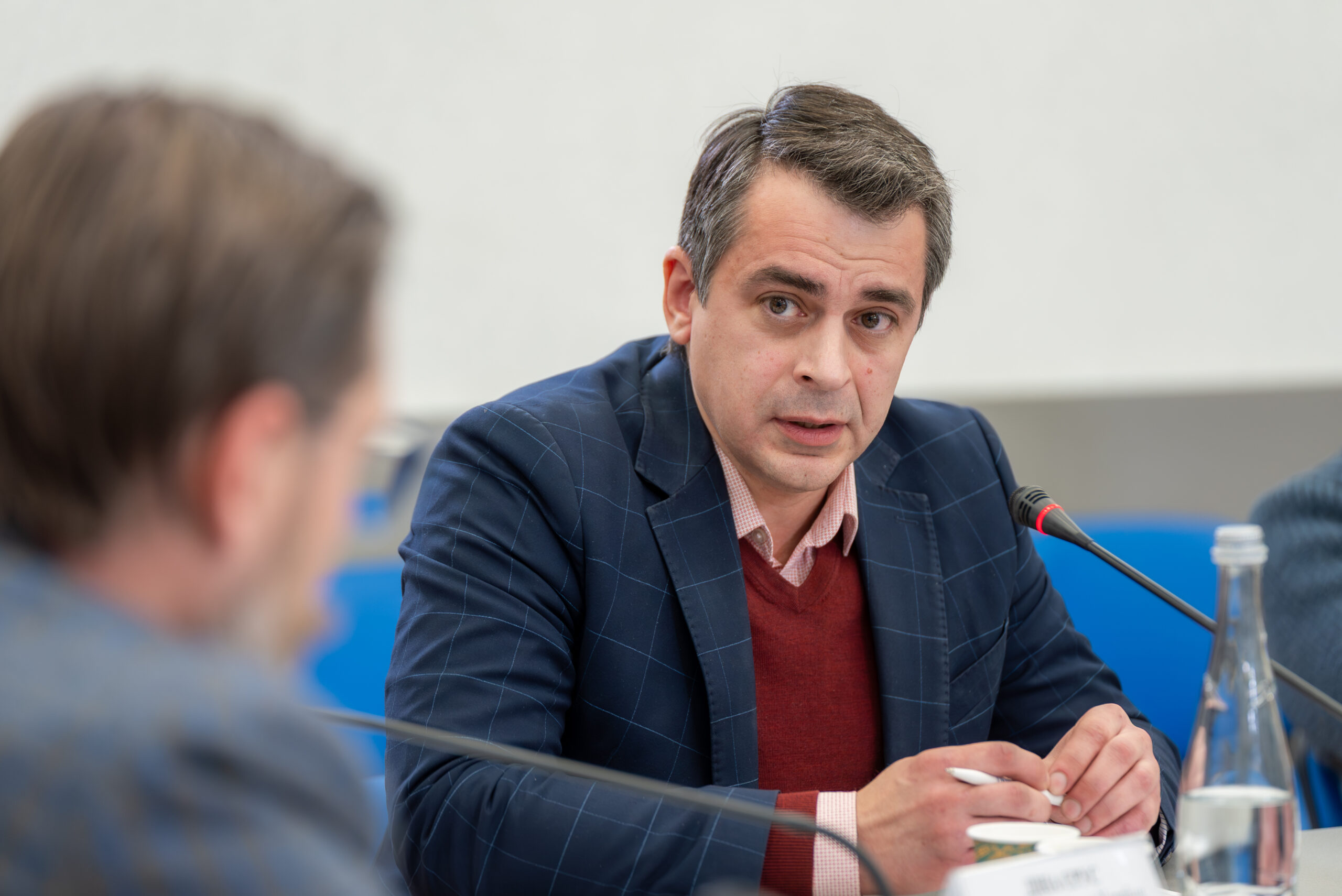
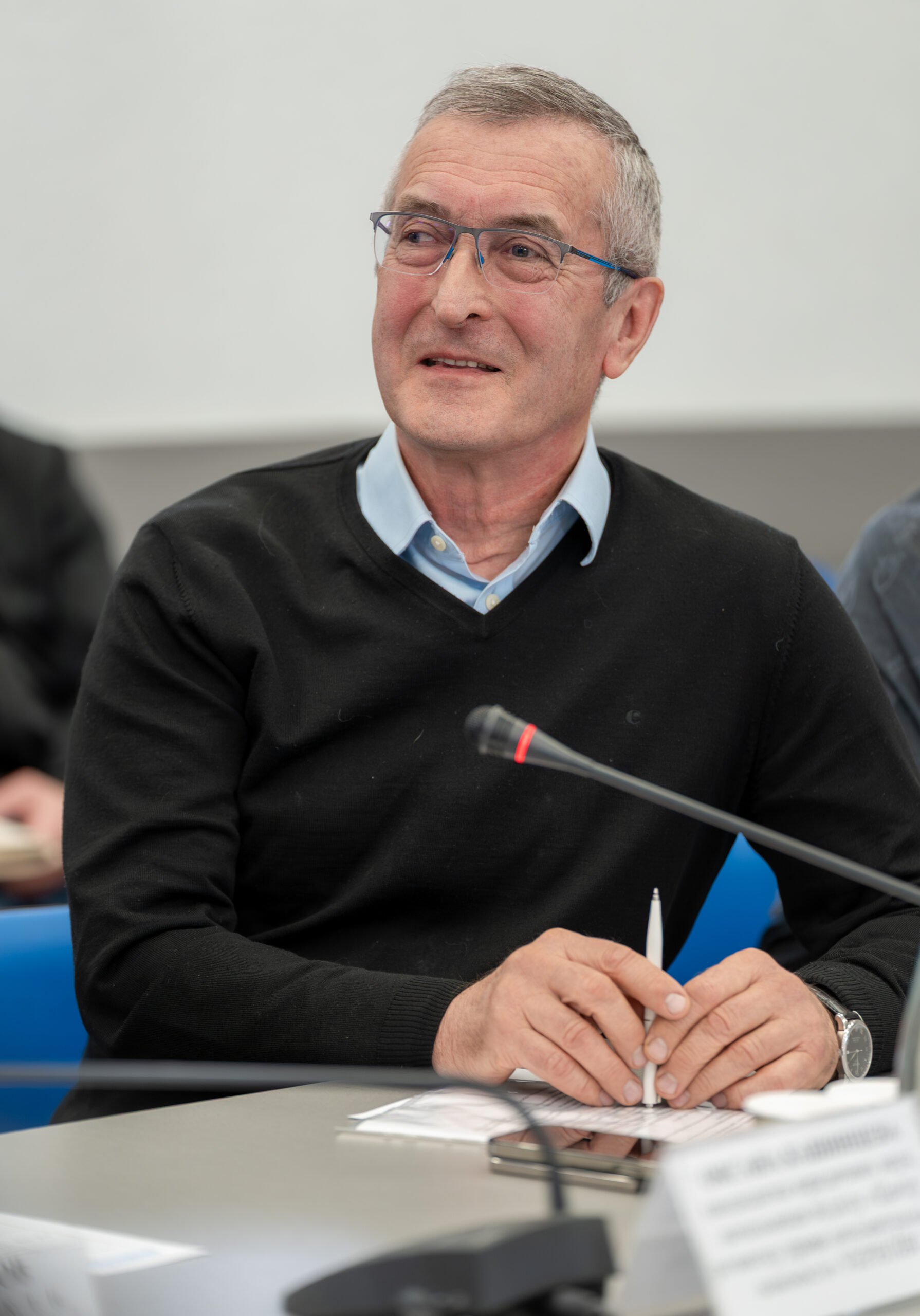
On November 10, 2026, Ukrinform hosted a roundtable discussion titled “Professional Representation in the Field of Intellectual Property: A Dialogue Between the Government, Business, and the Professional Community,” organized with the support of the Ukrainian National Lobbyists Association. The event was moderated by Oleksiy Shevchuk, Chairman of the Board of the Ukrainian National Lobbyists Association (UNLA). The discussion centered on a draft law titled “On Professional Representatives in Intellectual Property Matters,” prepared by experts.
Among the participants and speakers at the event were Anatoliy Kodynets, director of the Research Institute of Intellectual Property at the National Academy of Legal Sciences of Ukraine, Doctor of Law, professor; Natalia Dyka, Ukrainian patent attorney, counsel at Barristers LLP; Daria Tymchenko, Ukrainian patent attorney, attorney-at-law, managing partner at Create Law; Konstantin Zerov, Ukrainian patent attorney, attorney-at-law, Candidate of Legal Sciences; Dina Yerus, Ukrainian Patent Attorney, Intellectual Property Counsel at Biosphere Corporation; Petro Borovyk, Ukrainian Patent Attorney, Managing Partner at Borovyk & Partners Law Firm; Leonid Cherepov, patent attorney, Candidate of Technical Sciences, member of the board of the All-Ukrainian Association of Patent Attorneys of Ukraine, president of the Ukrainian group of UNION; Anton Koval, attorney-at-law, Ukrainian patent attorney, partner at the Dubinsky & Osharova Patent and Law Agency; Oksana Kashintseva, Candidate of Legal Sciences, Head of the “Center for Intellectual Property Law Development” Department at UKRNIVI; Natalia Borsuk, Doctor of Law, Professor in the Department of Private Law at the Vadym Hetman Kyiv National Economic University.
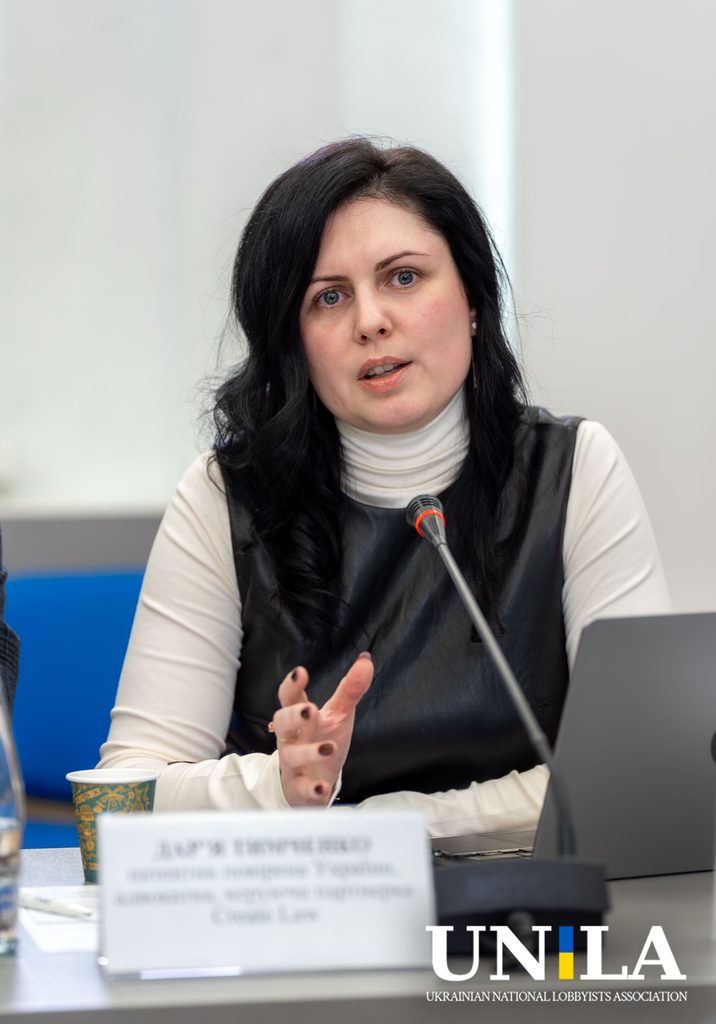
The profession of patent attorney has existed in Ukraine for a long time. However, as Daria Tymchenko explained, its regulation remains fragmented: some provisions are enshrined in laws, while a significant portion of the rules is defined by subordinate legislation. The working draft of the bill, which she prepared jointly with Kostyantyn Zerov, is intended to establish a comprehensive framework for professional practice.
This involves clear qualification requirements, guarantees of independence, professional confidentiality, mandatory ethical standards, and disciplinary procedures. It is proposed that the organization of the certification process be entrusted to professional self-regulation bodies, and that it be conducted at least once a year. For candidates, this is a matter of having a real opportunity to enter the profession; for clients, it is a matter of being able to choose from among qualified professionals.
Daria Tymchenko’s key point is that new powers granted to the professional community must be accompanied by responsibility. Self-regulation should ensure compliance with standards, the investigation of professional misconduct, and the ability to appeal decisions. At the same time, under the proposed model, currently licensed patent attorneys will retain their status and specializations without having to undergo recertification.
It was precisely the accessibility of the profession that became one of Natalia Dyka’s key priorities. She proposed that residents retain the right to represent themselves before the National Intellectual Property Office, while entrusting external professional representation to certified patent attorneys.
At the same time, in her view, exclusive representation must be accompanied by transparent admission to the profession, regular certification, and effective accountability. Expanding authority requires guarantees that the professional environment will remain open.
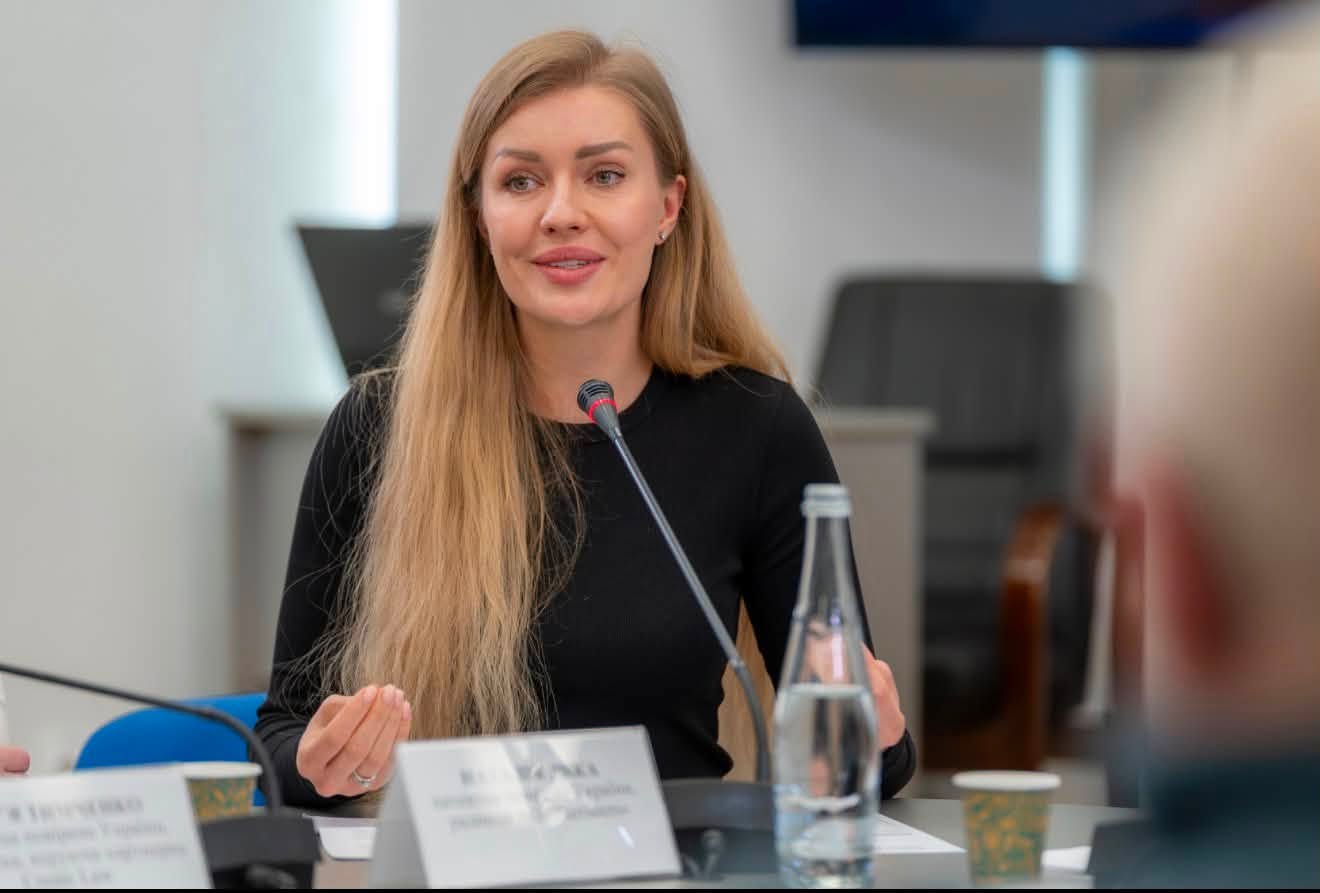
Another point made by Natalia Dyka is that it is advisable to implement the reform in stages. She proposes linking the general rules for resident representation to the adoption of a new sector-specific law, and considers the requirements for representation before the collegial bodies of the National Institute of Intellectual Property (NOIP)—primarily the Appeals Chamber—as the first practical step. In her view, proper training of representatives will also help reduce the number of errors in documents, repeat requests, and procedural delays.
For businesses, this discussion has a very practical dimension. Dina Yerus highlighted the advantages of working directly with a certified specialist: clear communication, transparent budgeting, and personal professional accountability. An attorney’s responsibilities also include auditing intellectual property assets, selecting a legal protection strategy, and planning protection in foreign markets.
Dina Yerus emphasized that businesses need a well-thought-out protection system that takes their future growth into account. This means properly selecting the classes of goods and services for a trademark, assessing the patent landscape, and planning international protection tailored to specific markets. In her view, working directly with a patent attorney also helps avoid additional intermediary markups.
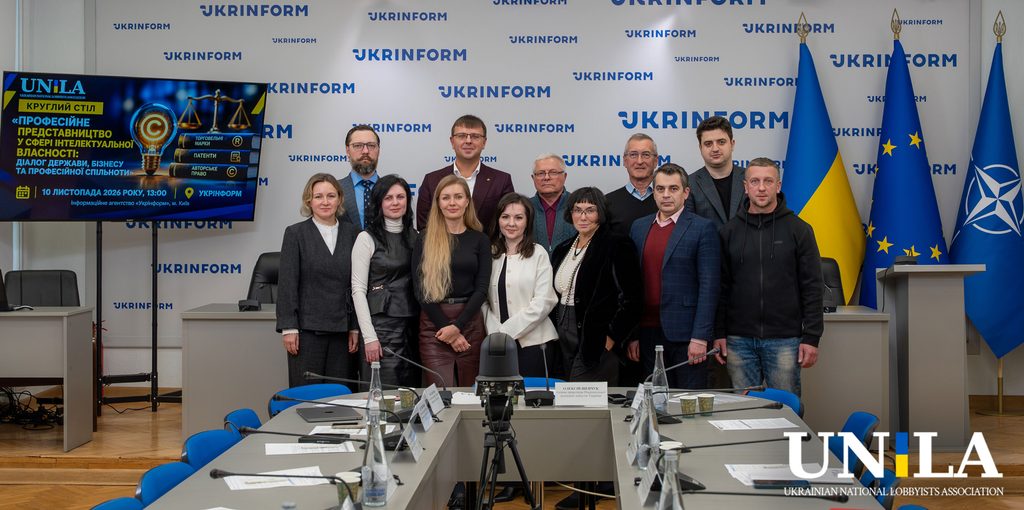
The role of the Ukrainian National Lobbyists Association in this process is to provide a platform where professional initiatives can be discussed, taking into account the needs of both business and the state. After all, the rules governing representation will affect competition in the services market, applicants’ costs, and the quality of interaction with relevant agencies.
The document presented here is still a working draft. In particular, the scope of exclusive representation and the model for maintaining a professional registry require further discussion. The authors have requested that specific proposals be submitted by December 1, 2026.
The success of the reform will depend on whether entrepreneurs can entrust their projects to professionals, receive competent support, and have a clear mechanism for protection in the event of violations. It is precisely this outcome that gives the professional discussion broader economic significance.