UNLA has brought together government officials, experts, and the veteran community around a legislative initiative regarding vehicles for military personnel and veterans
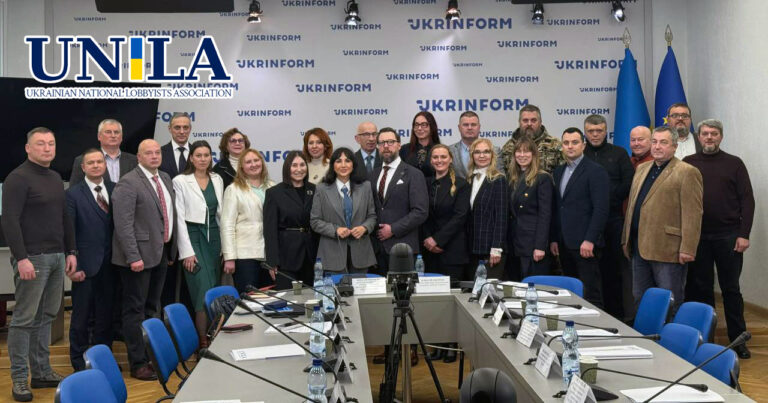
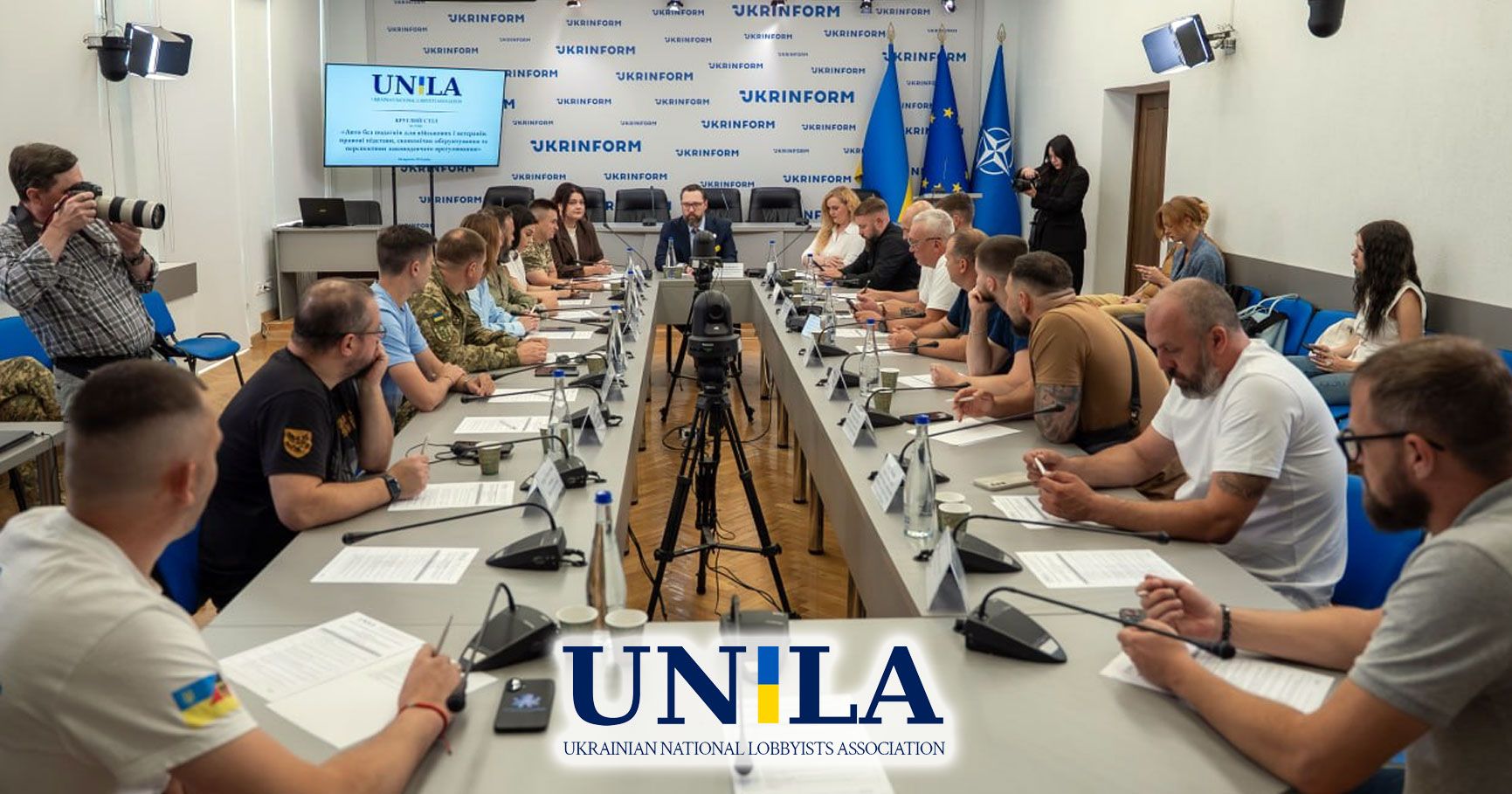
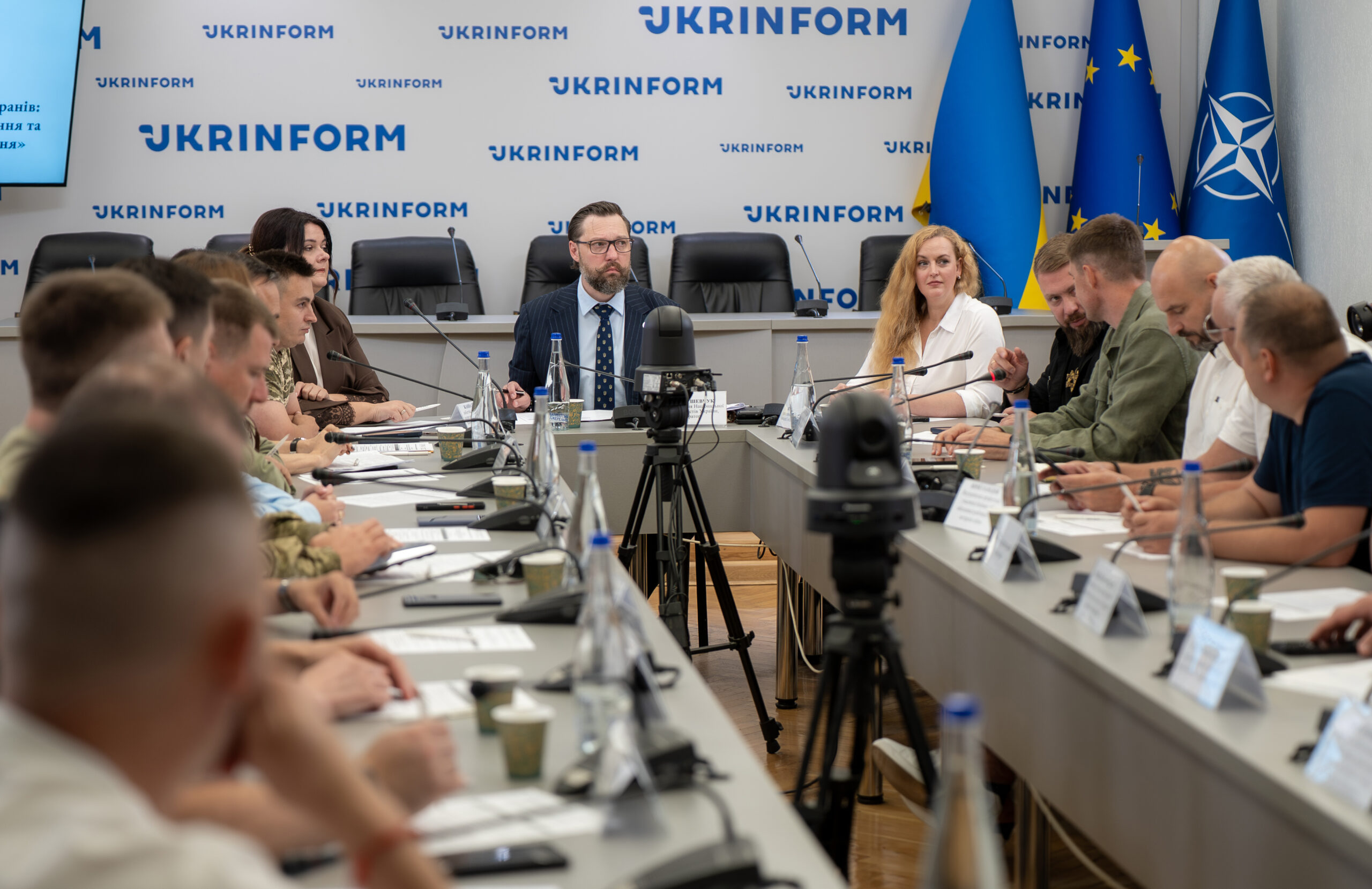
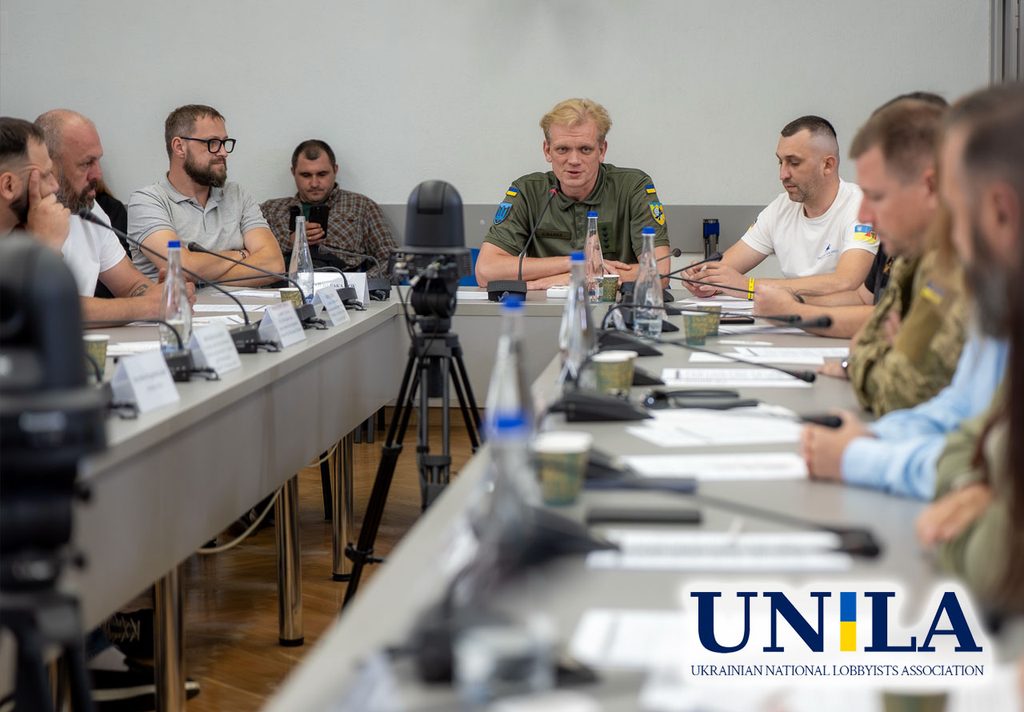
On September 4, 2026, the Ukrainian National Lobbyists Association organized a roundtable discussion at the Ukrinform news agency titled “Tax-Free Cars for Military Personnel and Veterans: Legal Basis, Economic Justification, and Prospects for Legislative Regulation.”
The event served as a professional forum for open dialogue between representatives of government authorities, the veteran and military communities, lawyers, experts in the field of lawmaking, and civil society organizations regarding the development of an effective legislative mechanism to provide service members and veterans with vehicles on preferential terms.
The discussion focused on bills No. 15194 and No. 15195, the issue of introducing preferential or zero customs duties on vehicles, determining the group of individuals eligible for the corresponding state support, the financial and economic rationale for such a mechanism, and preventing potential abuse.
A car for a veteran is not a privilege, but a tool for returning to an active life
During the roundtable discussion, it was repeatedly emphasized that for a service member, a vehicle is often an essential resource for carrying out official and combat missions, and for veterans, upon returning to civilian life, it is a tool for regaining mobility, undergoing rehabilitation, finding employment, engaging in entrepreneurial activities, and achieving full social integration.
That is precisely why the issue of vehicle accessibility for veterans must be considered in a much broader context than solely through the lens of customs or tax exemptions. This is a comprehensive element of the government’s veterans policy that directly affects a person’s independence after returning from service, their economic activity, and their ability to return to a full life in the community.
Oleksiy Shevchuk: We need to move from individual bills to a joint professional decision
Oleksiy Shevchuk, Chairman of the Board of the Ukrainian National Lobbyists Association, opened the roundtable discussion.
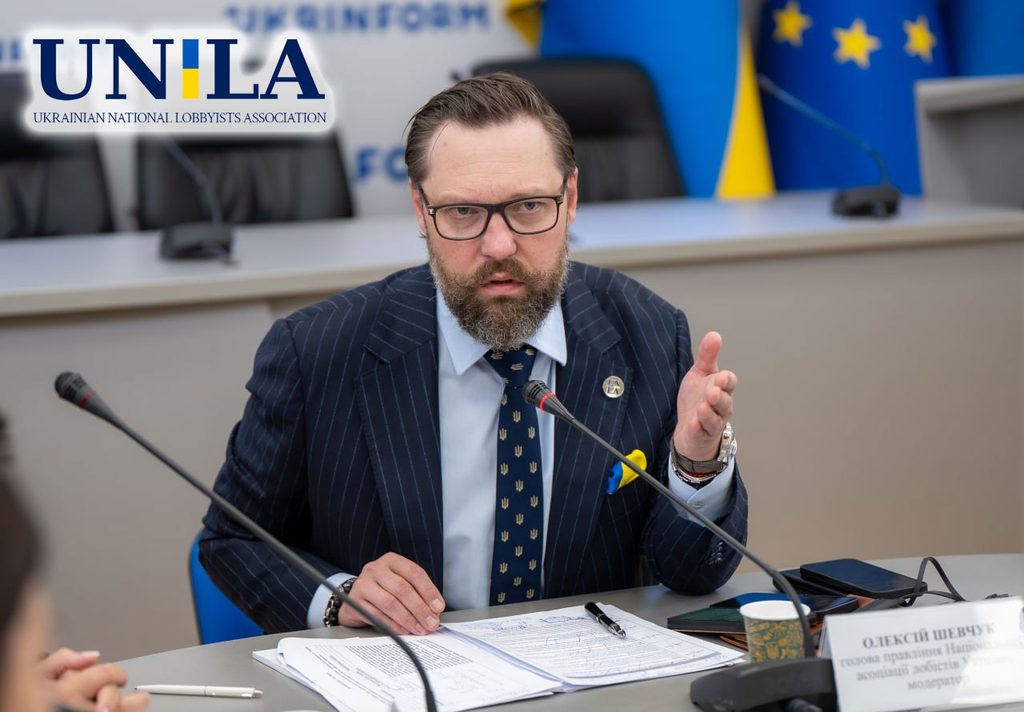
He emphasized that the UNLA’s mission is not only to raise public awareness of an issue of social importance, but first and foremost in creating a professional platform where the positions of the state, veterans, military personnel, and experts can be transformed into a legally sound and truly viable legislative mechanism.
Oleksiy Shevchuk emphasized that the existence of several parallel legislative initiatives should not lead to competition among their authors or delay the consideration of the issue in parliament. In his view, it would be advisable to consolidate the constructive provisions of the various bills and develop a coordinated approach with the participation of all key stakeholders.
That is why the Chairman of the UNLA Board proposed establishing a working group under the relevant committee of the Verkhovna Rada of Ukraine, which would allow for the joint refinement of the legislative framework, the identification of categories of support recipients, assess the budgetary impact, and ensure that the future mechanism complies with Ukraine’s regulatory framework.
“We understand that, as of today, there is a need to consolidate the draft bills, take everyone’s suggestions into account, and put forward a single draft bill within this working group,” Oleksiy Shevchuk noted during the discussion.
According to him, representatives of the government, the veteran community, and professional experts should be involved in the work, as they are capable of ensuring not only public support for the initiative but also its legal and regulatory soundness.
Ruslan Prykhodko: Support for the initiative must be accompanied by a responsible mechanism for its implementation
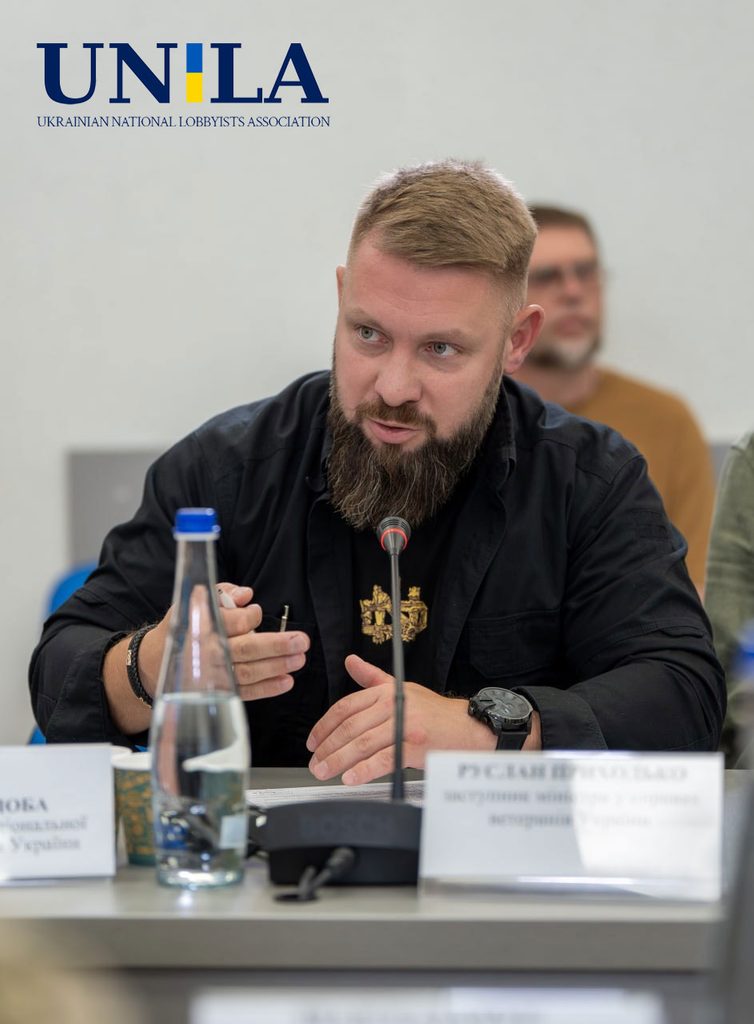
A key part of the roundtable was a presentation by Ruslan Prykhodko, Deputy Minister of Veterans Affairs of Ukraine, who outlined the Ministry’s position on legislative initiatives regarding the provision of vehicles to veterans.
Ruslan Prykhodko emphasized that the issue of providing appropriate support to the veteran community has a long history and requires a comprehensive approach. At the same time, any legislative decision should not create an unjustified distinction between defenders who took up arms to defend Ukraine at different stages of the war.
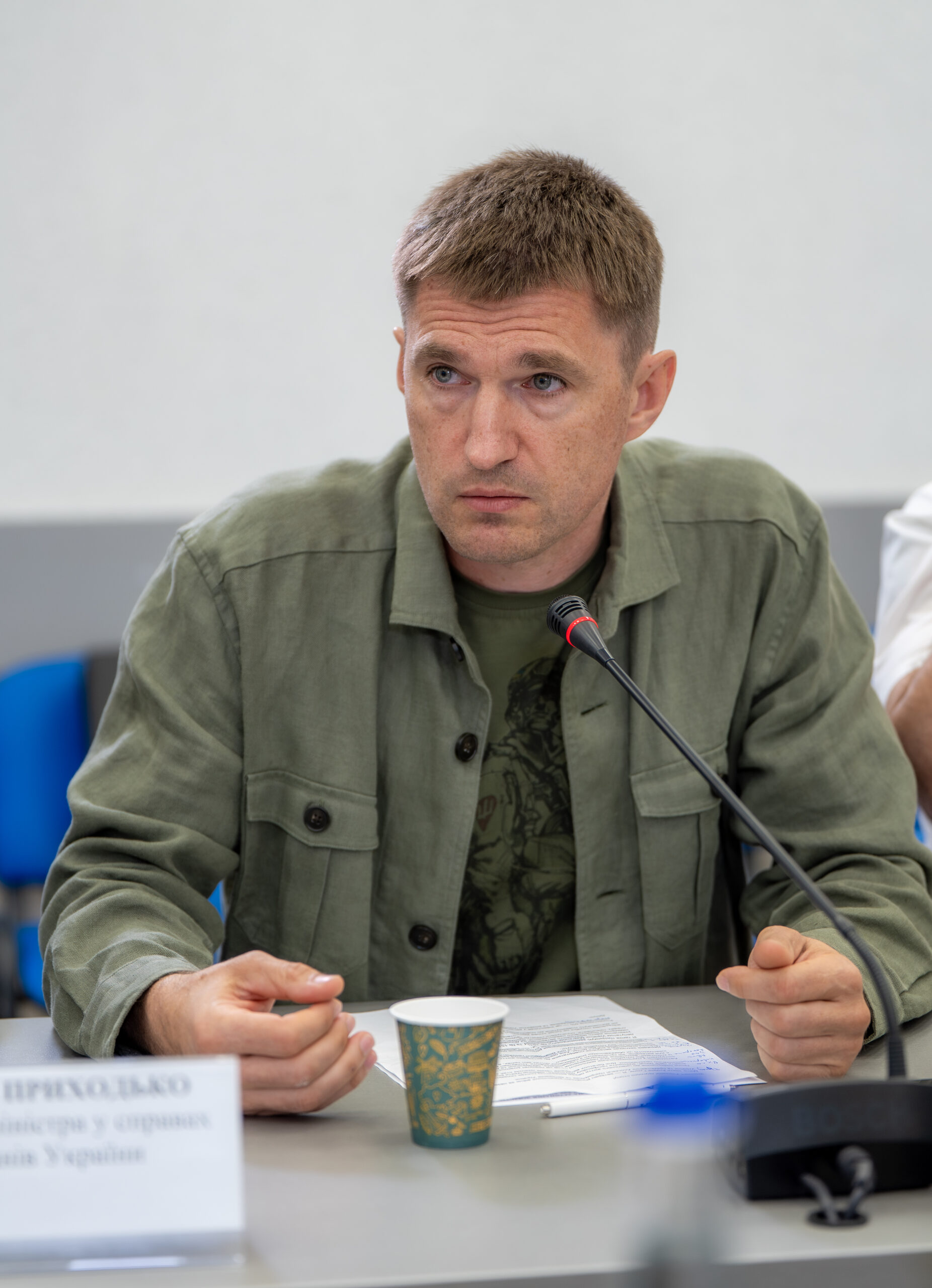
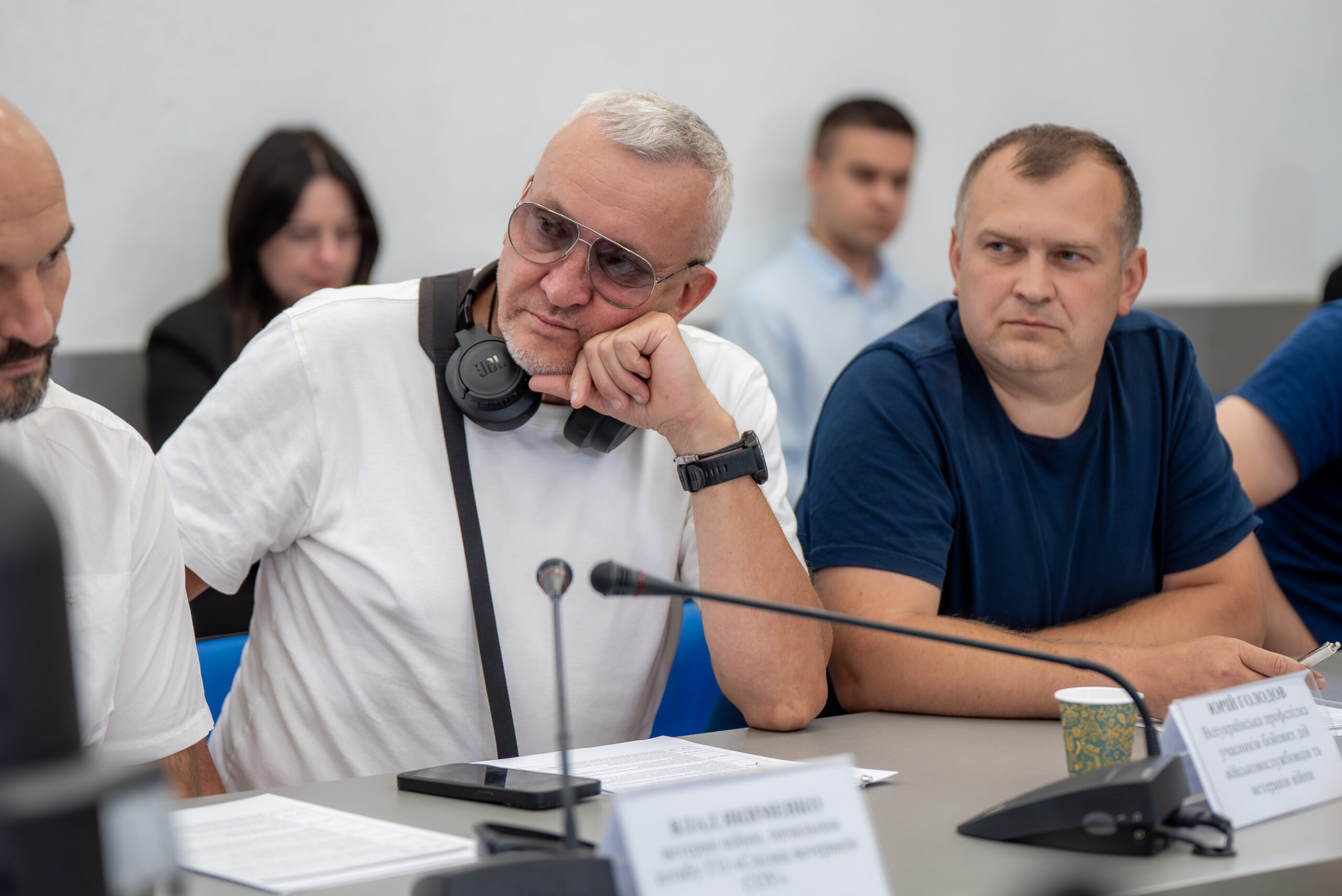
At the same time, he said, any government support mechanism must be responsible and include a proper financial and economic justification, specify the sources of funding for the relevant expenditures, and provide a clear implementation mechanism.
The Deputy Minister also emphasized the needs of veterans with war-related disabilities, particularly those living in remote communities who have limited access to medical, rehabilitation, and other essential services.
“Ensuring their mobility is one of our top priorities at this time. All programs currently being implemented by the government are aimed at recovery, rehabilitation, restoring mobility, and helping people—regardless of their health status—return to an active life,” emphasized Ruslan Prykhodko.
It is important to note that the Deputy Minister endorsed the format for further technical refinement of legislative initiatives within the framework of the working group.
“Working in task forces and refining draft legislation are currently among the most concrete mechanisms… Of course, I will discuss with the minister our initiative regarding this issue,” said Ruslan Prykhodko.
He also emphasized the importance of ensuring that the veteran community is represented as broadly as possible—yet in a unified manner—in the legislative process.
Zhanna Grushko: The government should make veterans feel that they are not forgotten
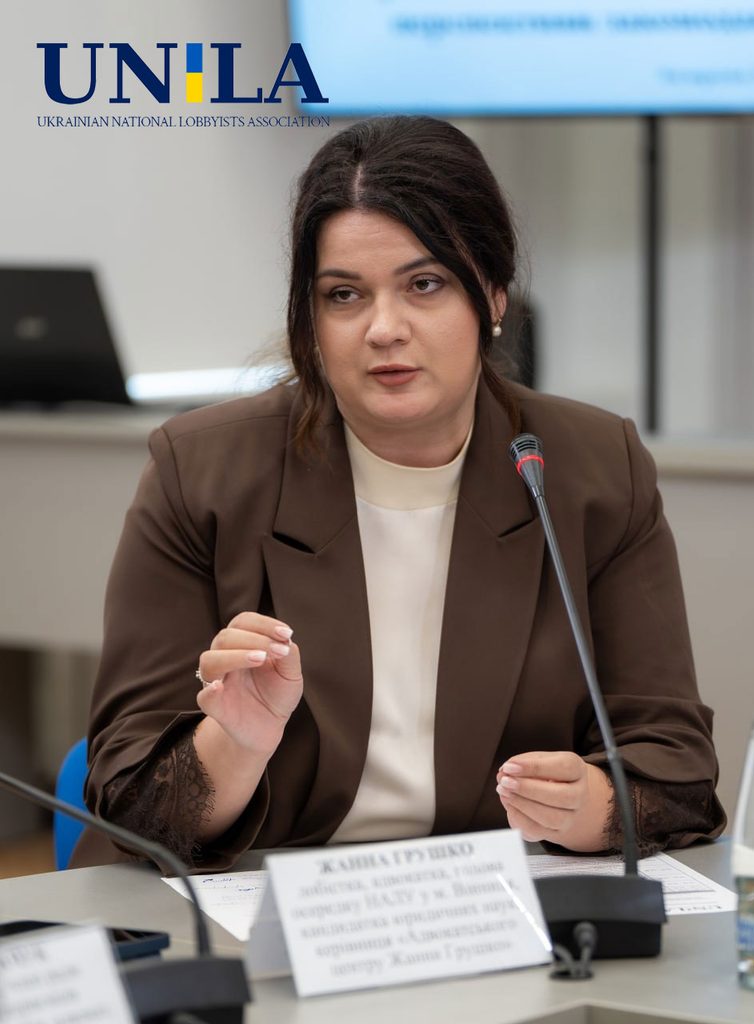
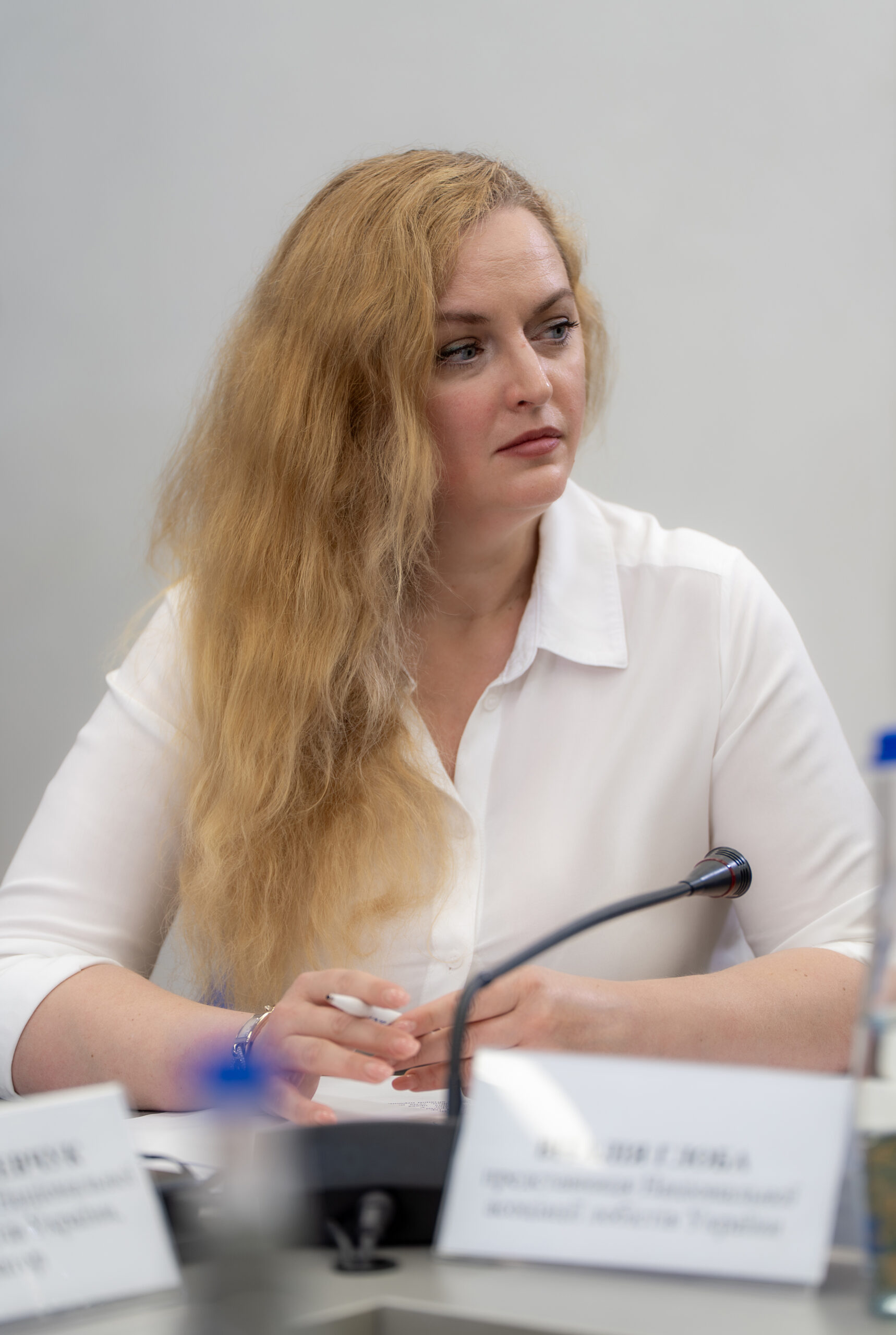
Zhanna Hrusko, attorney, Candidate of Legal Sciences, member of the UNLA Board of Directors, and chair of the Vinnytsia Regional Chapter of UNLA, focused on the legal challenges involved in implementing the social guarantees already announced by the state and on the need to design the future mechanism specifically with the experience of those people it will directly affect in mind.
She emphasized that legislative measures addressing the issue of vehicles for military personnel and veterans could have not only a material impact but also an important social impact.
“This is the direct feeling of every veteran—that the state is grateful to him in some way, has not forgotten him, and relies on him,” emphasized Zhanna Grushko.
According to her, it is necessary to find a legislative framework in which financial considerations are balanced with fairness and the state’s social responsibility.
Ivan Kazachuk: The legal uncertainty surrounding vehicles for the military must be resolved immediately
Ivan Kazachuk—a war veteran, a member of the Council of the Association of Entrepreneurs and Veterans of Ukraine, an attorney, and a candidate of legal sciences, who is actively involved in promoting a legislative initiative to introduce zero customs duties on vehicles for military personnel and veterans.
Ivan Kazachuk highlighted two systemic problems. The first concerns military personnel who purchase vehicles at their own expense to carry out combat missions and are forced to import them through charitable organizations as humanitarian aid. In such cases, the service member effectively finds himself in a situation of legal uncertainty regarding the future status of the vehicle.
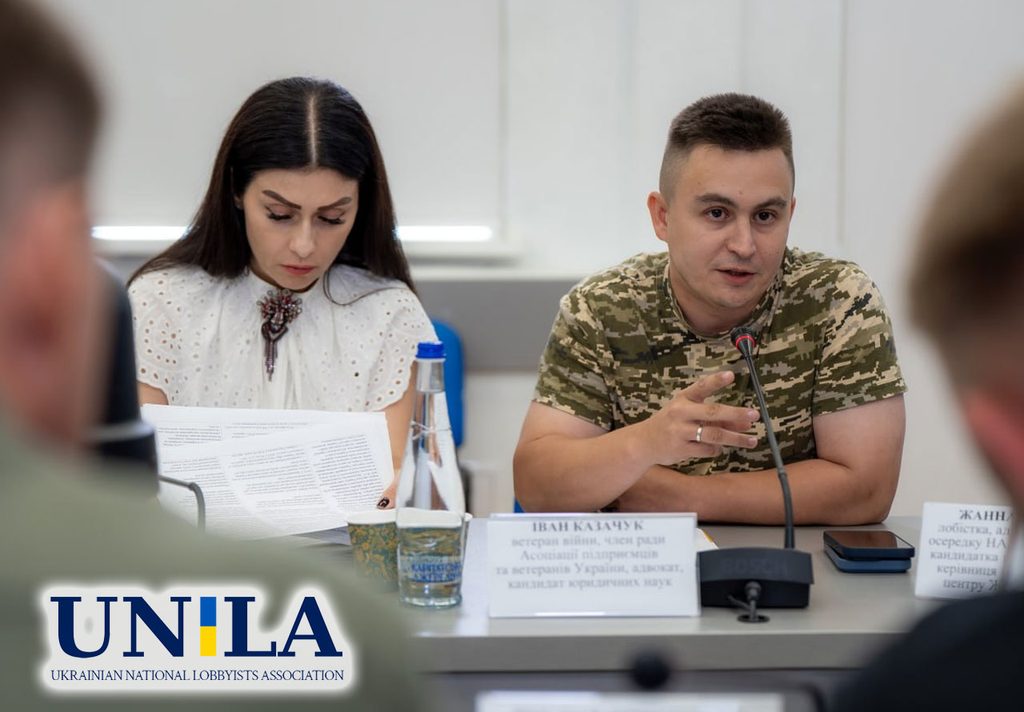
A second problem arises after discharge from service, when a vehicle that a service member used while performing combat duties—and that may subsequently be necessary for rehabilitation, mobility, employment, or business activities—cannot automatically be transferred to the service member’s personal use.
According to Ivan Kazachuk, this issue must be resolved at the legislative level immediately, without delaying a decision until the end of martial law.
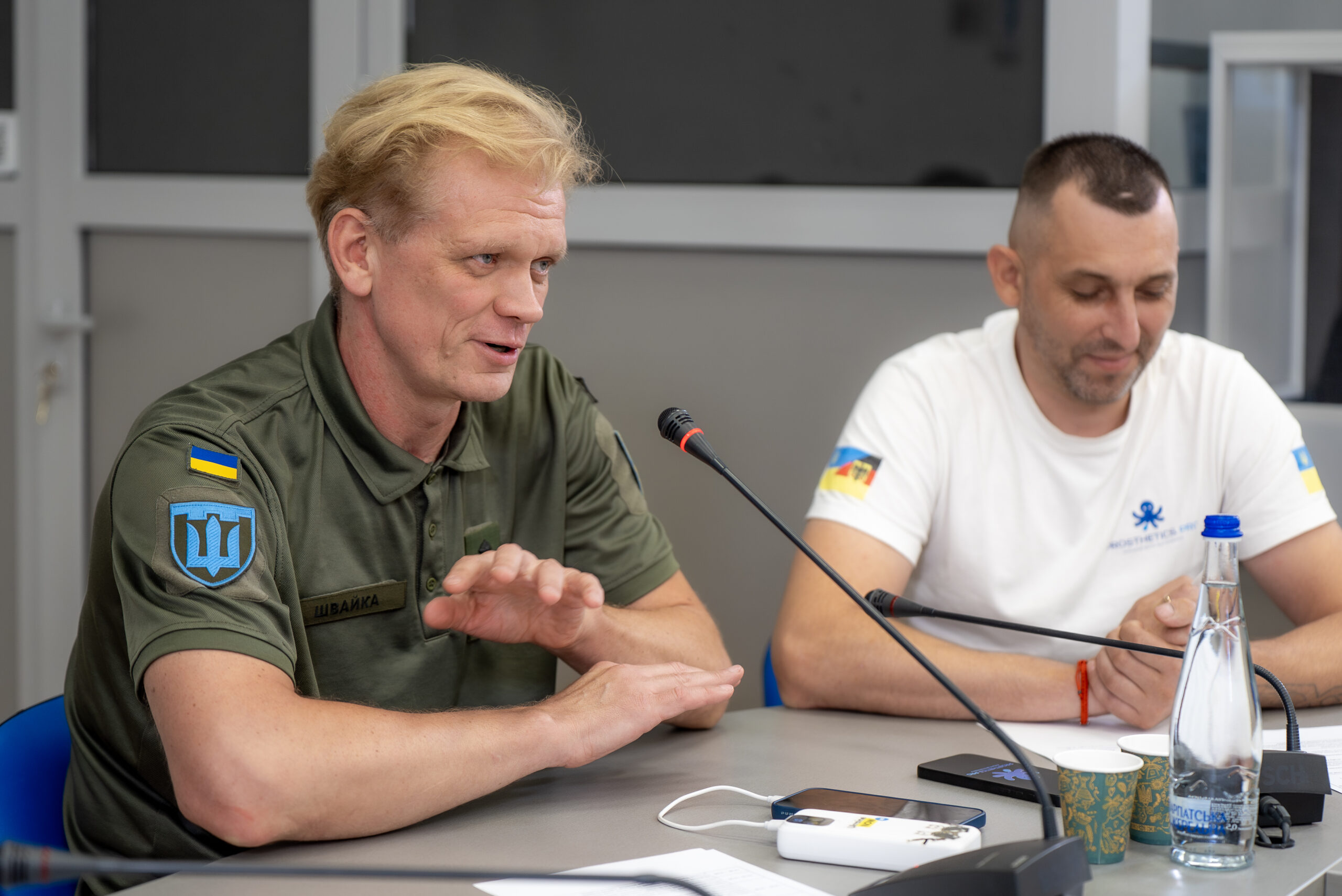
Ihor Shvayka: We need to turn this initiative into tangible results
Ihor Shvayka joined the discussion —a Member of the Ukrainian Parliament of the 7th convocation, Minister of Agrarian Policy and Food of Ukraine in 2014, a member of the Armed Forces of Ukraine, a captain in the Armed Forces of Ukraine, and a representative of the recruitment system for the Territorial Defense Forces of the Armed Forces of Ukraine.
Ihor Shvayka highlighted another important aspect of the initiative—its potential impact on citizens’ motivation to serve in the military. Drawing on his experience working in both the Verkhovna Rada of Ukraine and the government, as well as directly in the military, he emphasized the need for professional oversight of the legislative initiative and ensuring its successful implementation.
“To achieve results, you need to have experience working in parliament and in submitting government bills. I am very pleased that we have a Lobbyists’ Association that handles this professionally and continues to build up its knowledge, skills, and experience,” said Ihor Shvayka.
He emphasized that the opportunity to receive a car under special terms could serve not only as an act of justice toward those who are currently defending or have defended Ukraine, but also as an additional motivational tool in the recruitment process.
“For me personally, this is important for recruiting Ukrainians into military service, and for the veteran community, it’s about seeking justice and putting it into practice… We must definitely see this through to the end,” emphasized Ihor Shvayka, expressing his readiness to participate in further work with the parliament and executive authorities.
Economic impact: Supporting veterans can generate new economic activity
The financial and economic vision for the initiative was also presented during the roundtable discussion.
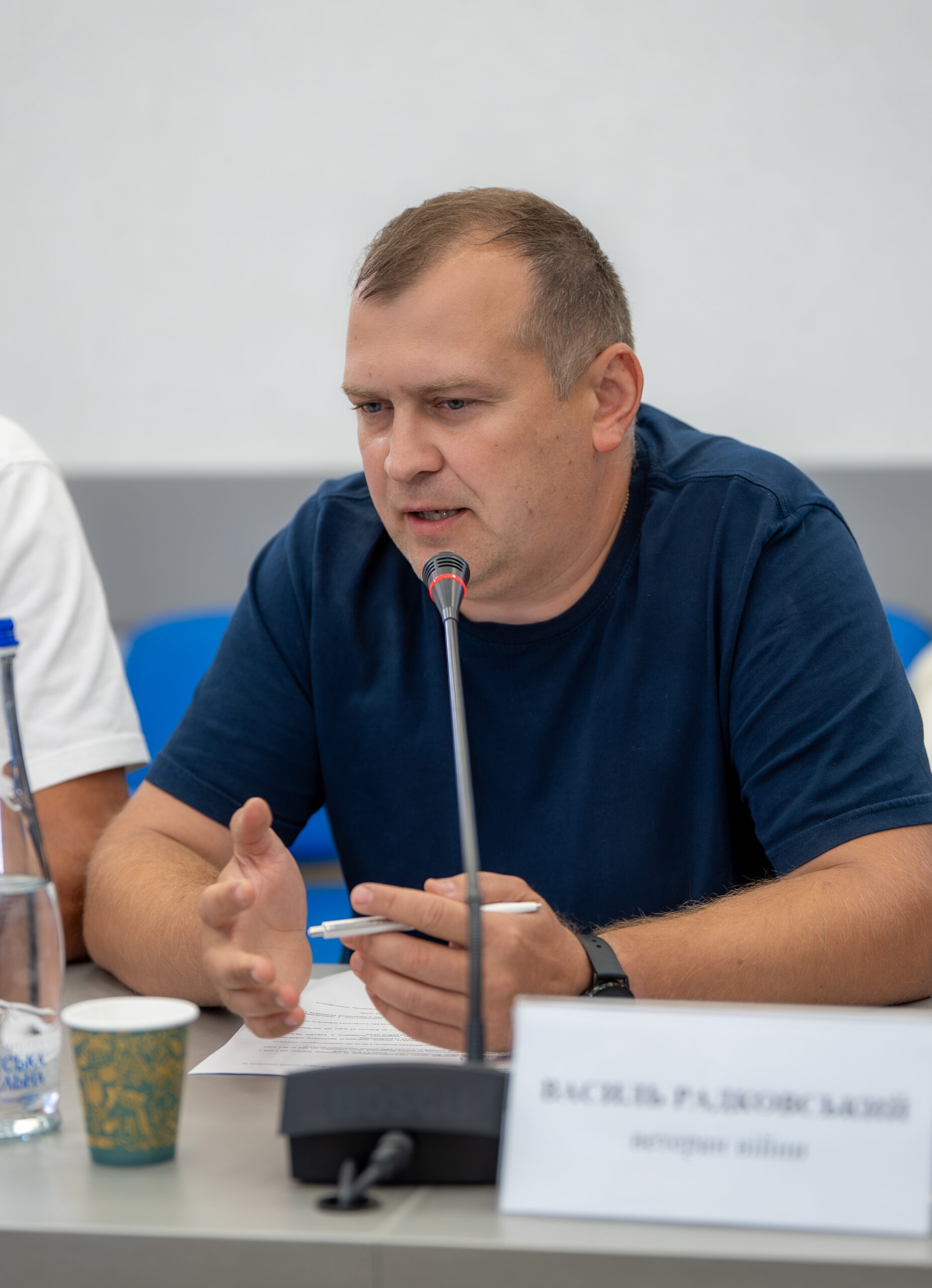
War veteran Vasyl Rudkovsky emphasized that a car for a veteran triggers a whole chain of subsequent economic activity: insurance, maintenance, logistics, and employment; and for some veterans, it creates an opportunity to start their own business.
According to his calculations, in the baseline scenario, the import of 150,000 cars—and the economic activity associated with their use—could potentially generate significant budget revenues. The main principle of the proposed approach is to view the initiative not merely as a tax break, but as a tool for the social reintegration and economic revitalization of veterans.
Broad representation of the veteran community
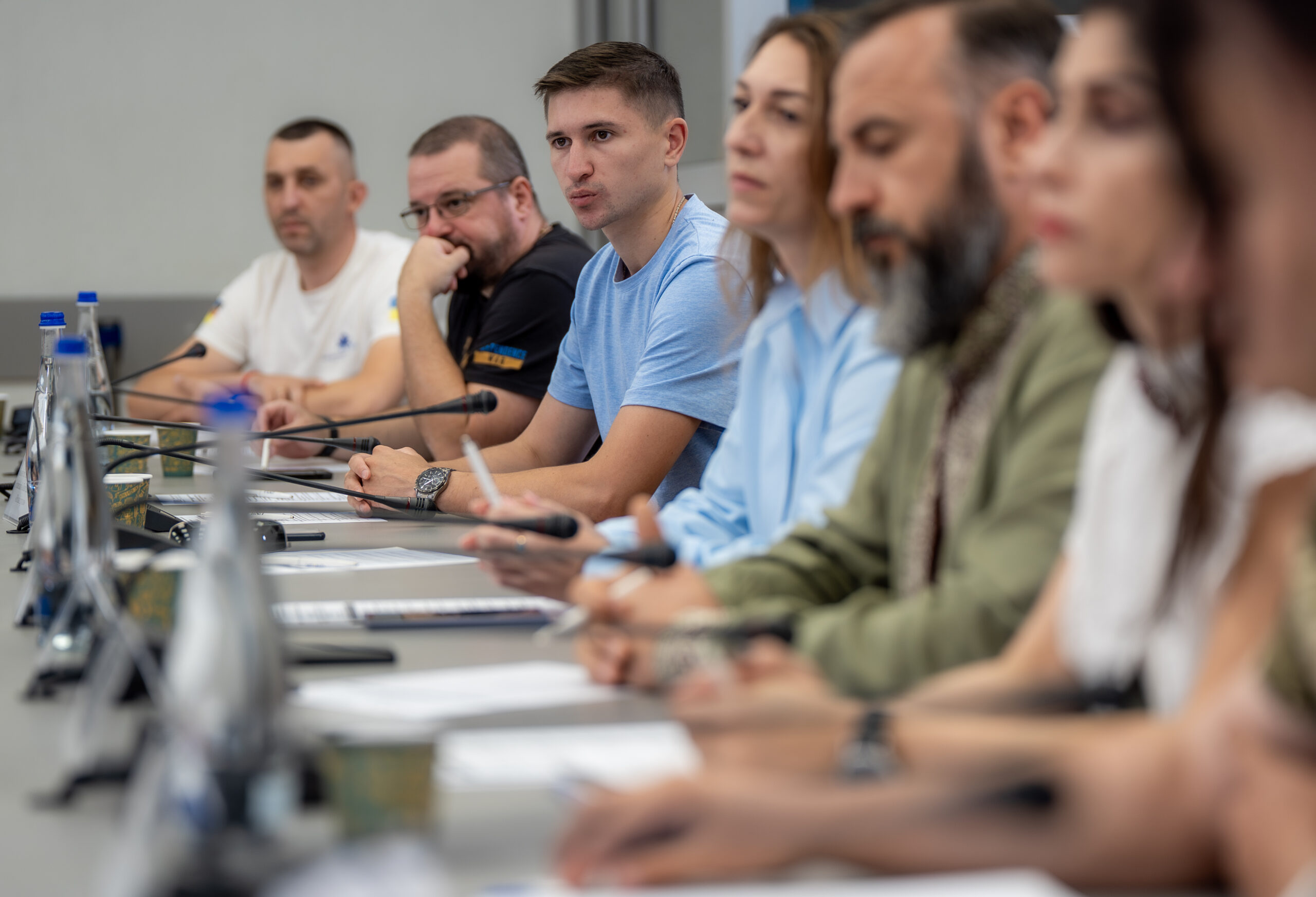
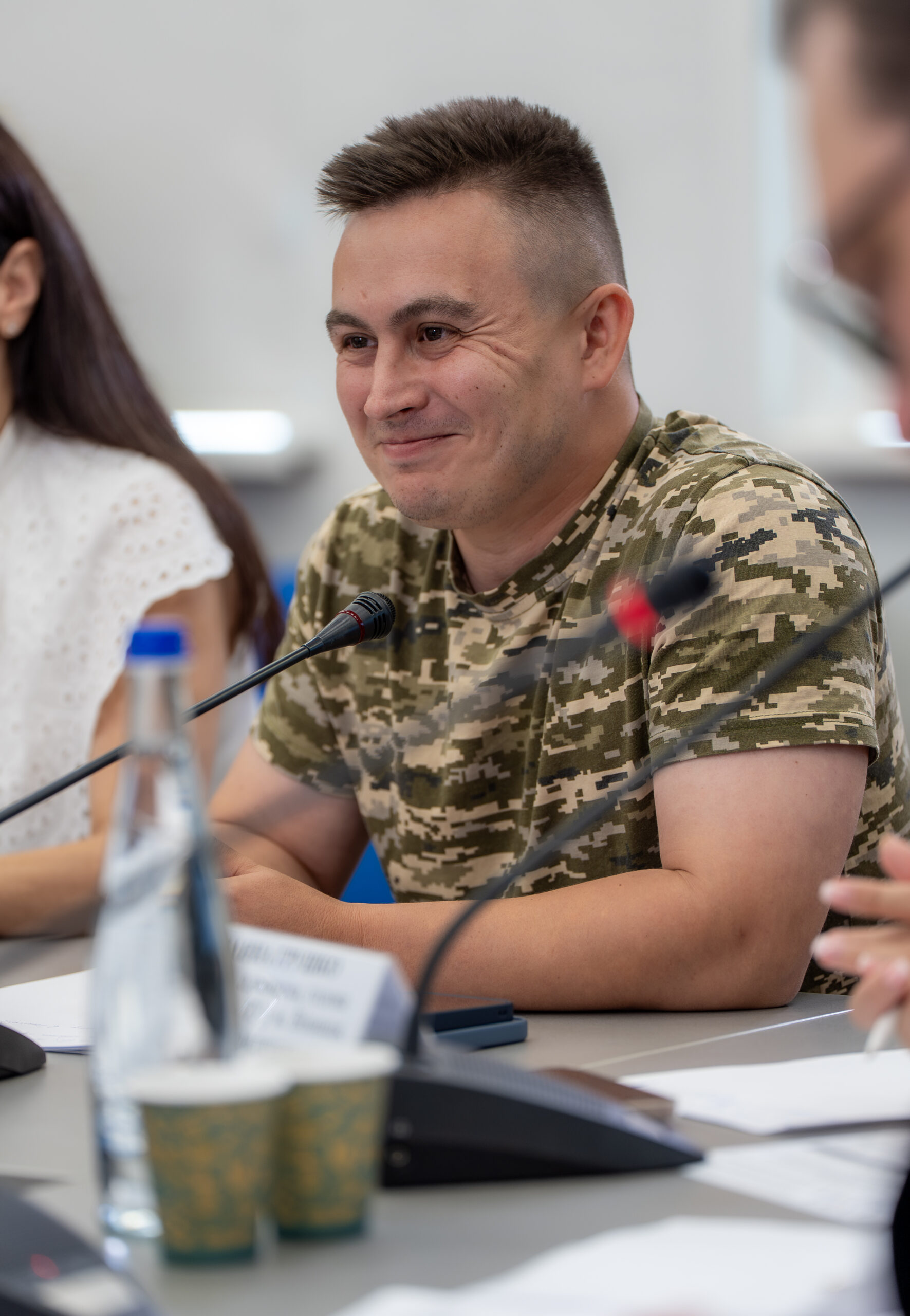
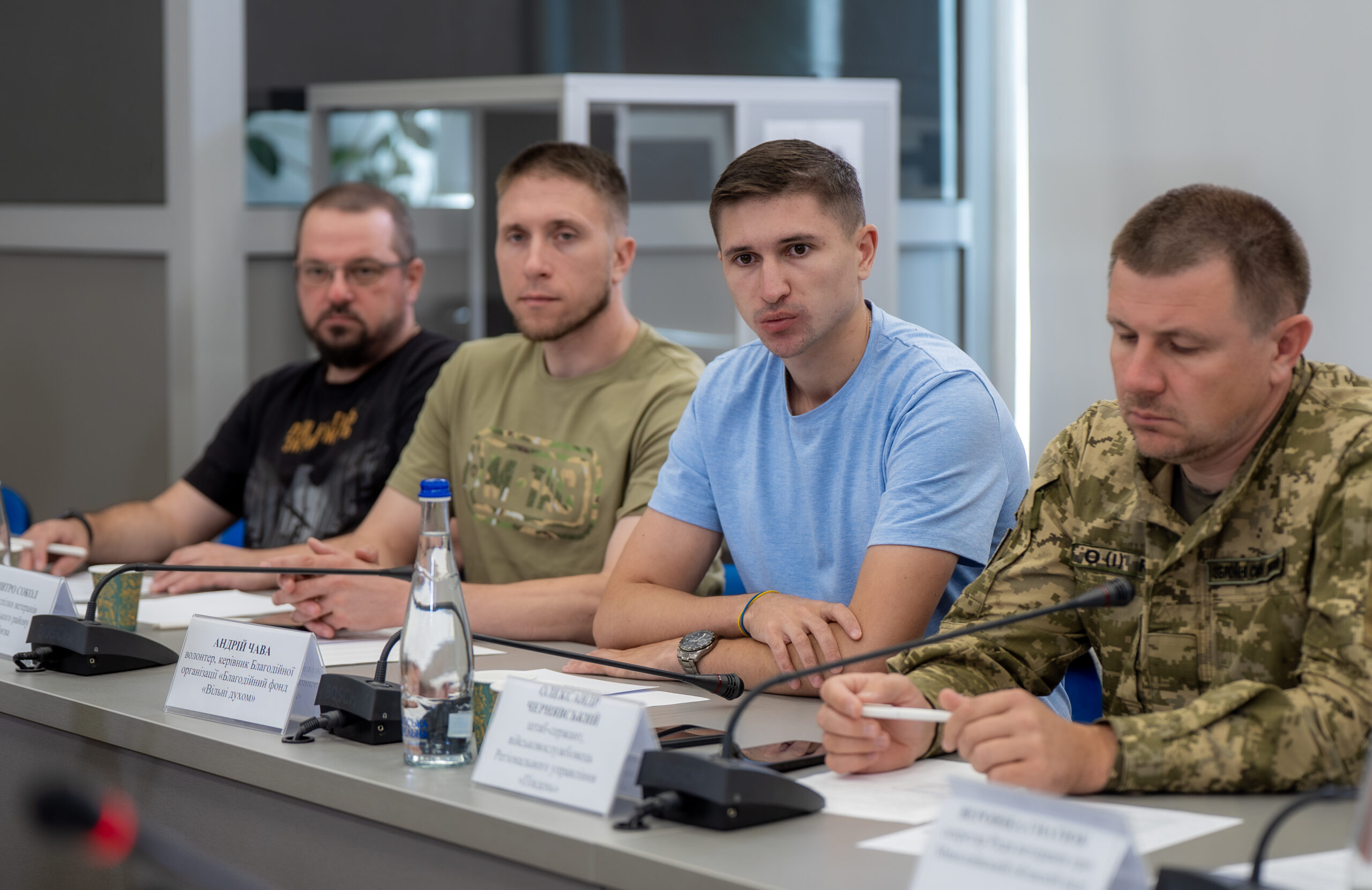
In accordance with the roundtable agenda, representatives of government agencies, veterans’ organizations, military personnel, lawyers, entrepreneurs, and volunteers participated in the professional discussion.
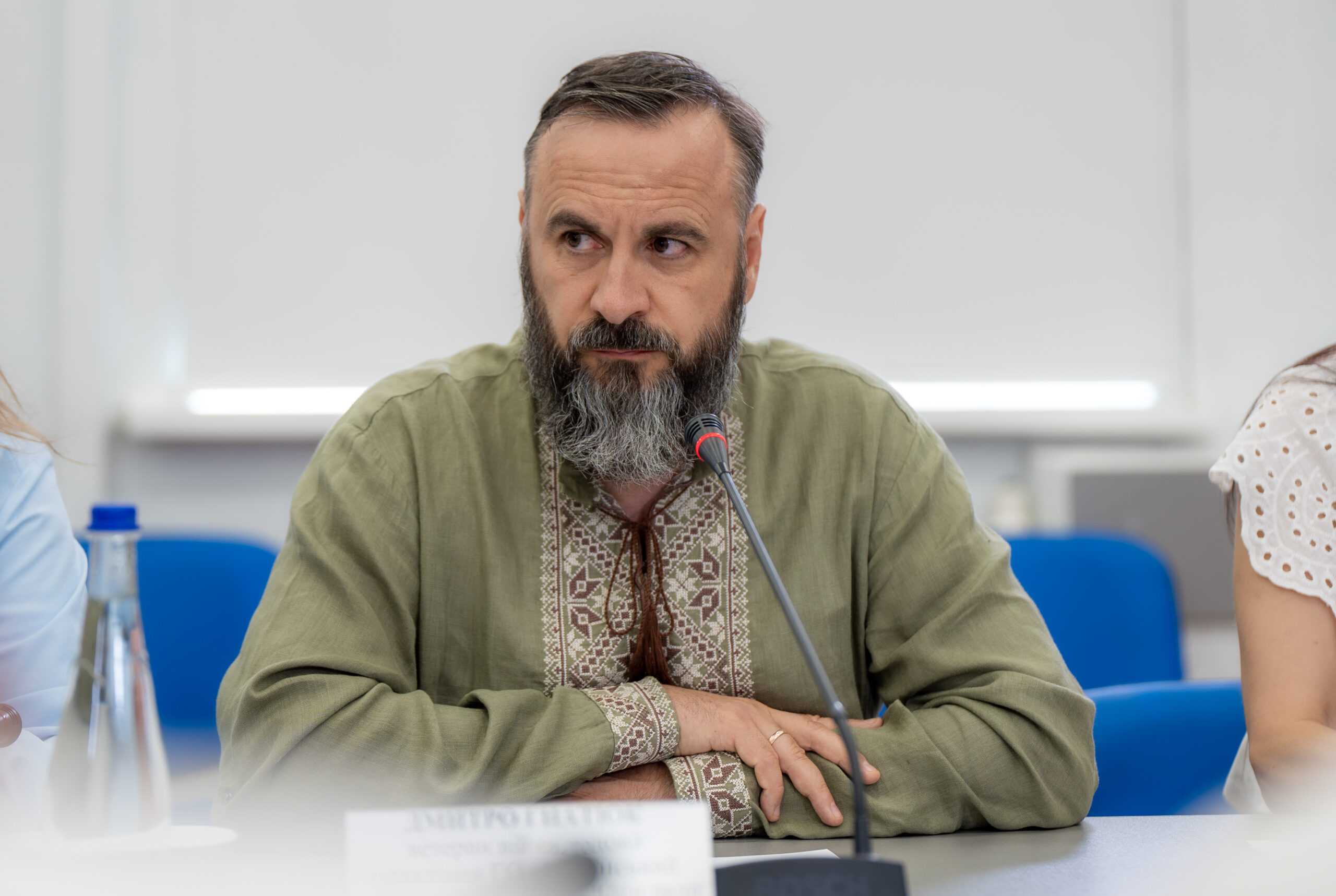
Other participants in the roundtable included Mykhailo Karabut, a veteran, member of the Council of Veterans of the War for Ukraine’s Independence under the Ministry of Veterans Affairs, and chair of the NGO “A Veteran Knows”; Artem Savichev, member of the “All-Ukrainian Public Movement ‘Left Bank’” and member of the Council of Veterans of the War for Ukraine’s Independence under the Ministry of Veterans Affairs; Veronika Hnatiuk, secretary of the Council of Veterans under the Mykolaiv Regional Council; Volodymyr Yarokha, chair of the “Kyiv Veterans’ Movement” association and representative of the All-Ukrainian Union “Veterans’ Movement of Ukraine”; Andriy Chava, volunteer and director of the “Free in Spirit” Charitable Foundation; Oleksiy Mkrtchyan, volunteer, “Kyiv Automobile”; Oleksandr Chernyavsky, staff sergeant, serviceman of the “South” Regional Administration; Dmytro Sokol, chairman of the Podil District Veterans’ Association in Kyiv; Andriy Hudym, war veteran, entrepreneur, member of the Association of Entrepreneurs and Veterans of Ukraine; Vasyl Radkovsky, war veteran; Oksana Andreychik, attorney, representative of the Standing Commission on the Implementation of the National Strategy for Veterans’ Policy of the Khmelnytskyi Regional Council; Dmytro Hnatiuk, war veteran, chairman of the board of the NGO “Ukrainian Veterans Center,” member of the Council of Veterans at the Mykolaiv Regional Council; Vlad Yakimenko, war veteran, chief of staff of the NGO “Union of Veterans of the Special Operations Forces.”
The main outcome was an agreement to establish a joint working group
One of the most important outcomes of the roundtable was the participants’ unified position on the need to move from isolated legislative initiatives to systematic interagency and expert collaboration.
Following the discussion, the participants agreed on the advisability of establishing a working group under the relevant Committee of the Verkhovna Rada of Ukraine on Finance, Tax, and Customs Policy.
It is proposed that the Ministry of Veterans Affairs of Ukraine, representatives of the veteran and military communities, experts in the field of policy-making, representatives of relevant government agencies, the scientific and expert community, and the professional lobbying community be involved in this work.
According to the roundtable participants, it is precisely this format that will make it possible to analyze all registered legislative initiatives, eliminate legal and financial risks, determine a fair group of beneficiaries, establish safeguards against abuse , and develop a single, comprehensive legislative mechanism that has a realistic chance of gaining support in the Verkhovna Rada of Ukraine.
Equally important is the fact that Ruslan Prykhodko responded positively to the proposed working format and announced his intention to discuss the initiative with Ukraine’s Minister for Veterans’ Affairs.
For the National Association of Lobbyists of Ukraine, this discussion serves as an example of what professional representation of interests of public importance should look like: from defining the issue and engaging the communities directly affected—to a professional legal discussion, dialogue with the government, and the development of a concrete mechanism for legislative change.
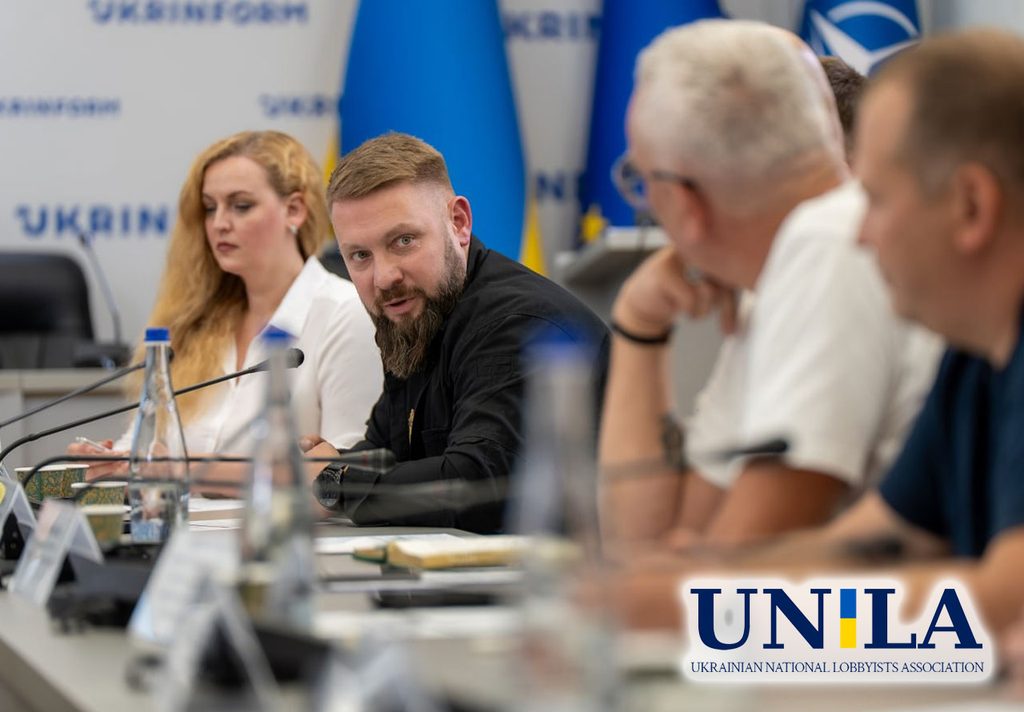
The issue of vehicles for Ukrainian military personnel and veterans is, first and foremost, a matter of mobility, rehabilitation, economic independence, social justice, and the state’s genuine gratitude to the people who stood up to defend it.
And that is precisely why the next step should not be yet another debate over individual bills, but rather a collaborative, professional effort by the government, parliament, the military, veterans, and the expert community to develop a legislative solution that will work in practice.