Public discussion on the constitutional dimension of Article 615 of the CPC of Ukraine brought together the bar, academics and representatives of state bodies
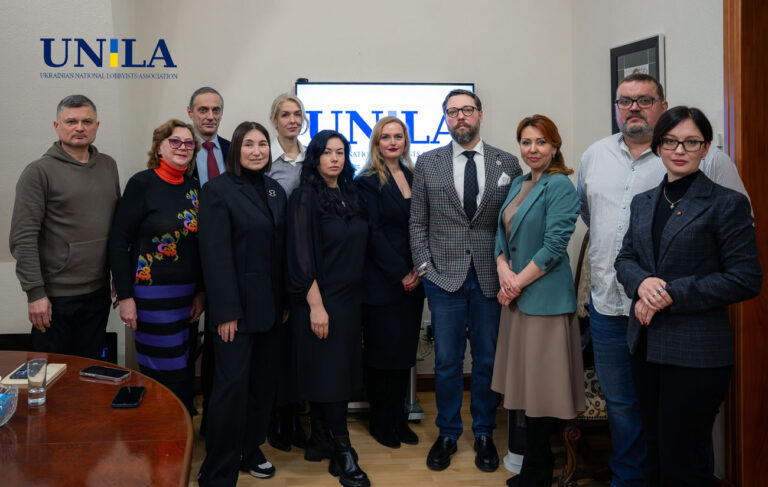
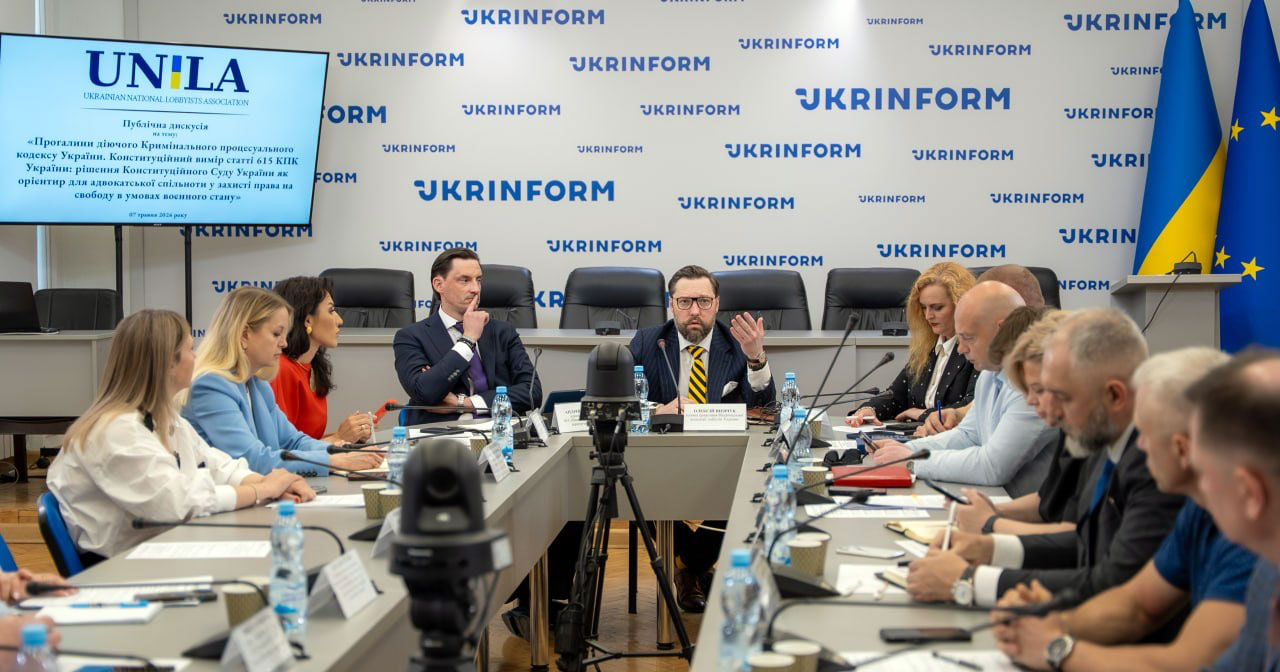
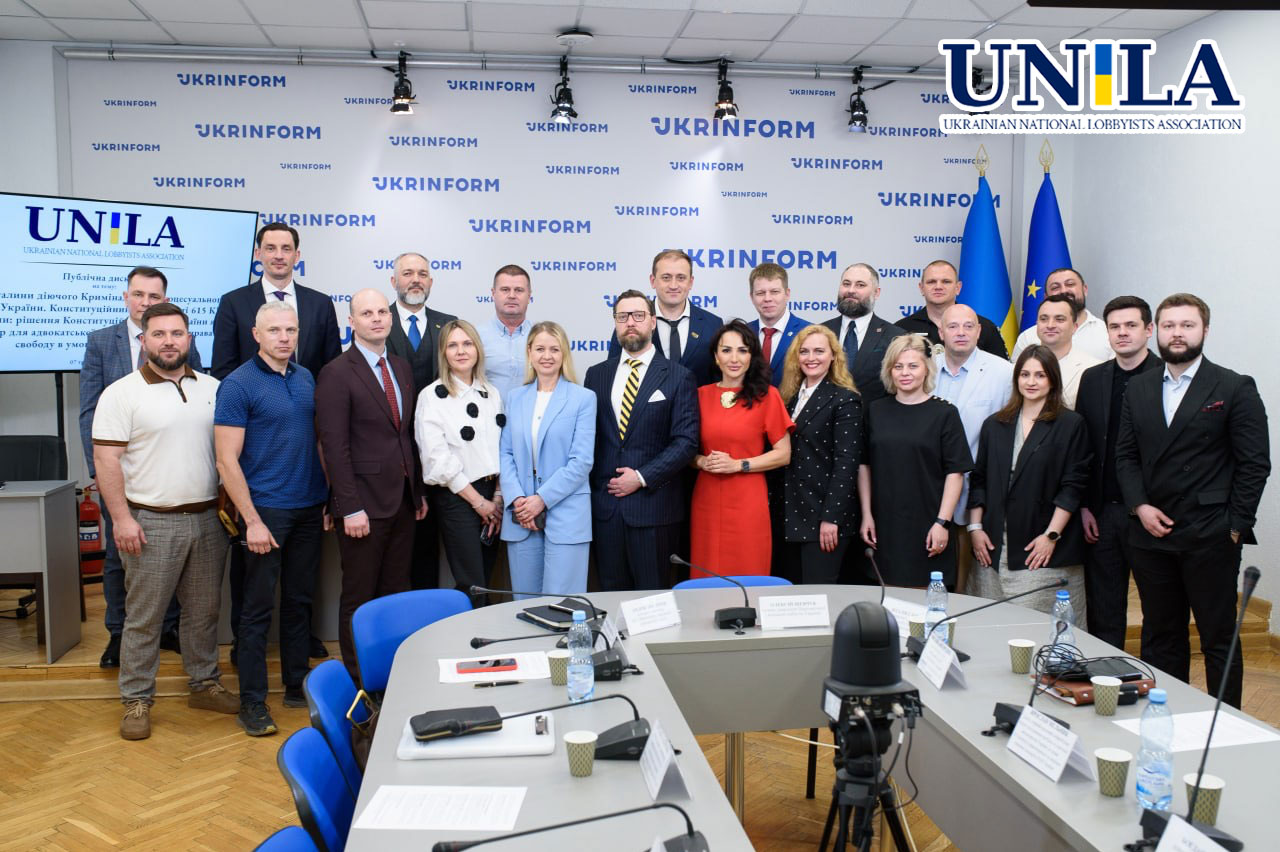
On May 7, 2026, a public discussion on “Gaps in the current Criminal Procedure Code of Ukraine. Constitutional dimension of Article 615 of the CPC of Ukraine: the decision of the Constitutional Court of Ukraine as a guideline for the legal community in protecting the right to freedom under martial law”. The event was organized by the National Association of Lobbyists of Ukraine.
The meeting was moderated by Oleksiy Shevchuk, Chairman of the Board of the Ukrainian National Lobbyists Association, who emphasized the importance of an open professional dialogue between the bar, the academic community, representatives of the law enforcement system and public authorities on improving criminal procedural legislation under martial law.
The central event of the discussion was the presentation by Andriy Yosypov, attorney at law, Chairman of the UNBA Committee on Standards of the Legal Profession, Partner at Barristers, PhD in Law, on the topic: “Constitutional Dimension of Article 615 of the CPC of Ukraine: from the CCU Decision No. 8-r(II)/2024 to Decision No. 3-r(II)/2026”. The presentation will focus on the experience of preparing a constitutional complaint in the case of Roman Chervinsky as an example of the advocacy’s strategic human rights work and a systematic analysis of the enforcement of Article 615 of the CPC of Ukraine in 2022-2025.
Andriy Yosyfov emphasized that the mechanisms of automatic extension of the detention periods provided for in parts five and six of Article 615 of the CPC of Ukraine were recognized by the Constitutional Court of Ukraine as inconsistent with the Constitution of Ukraine. According to the speaker, even under martial law, the state cannot level the fundamental guarantees of the right to freedom and judicial control over the restriction of this right.
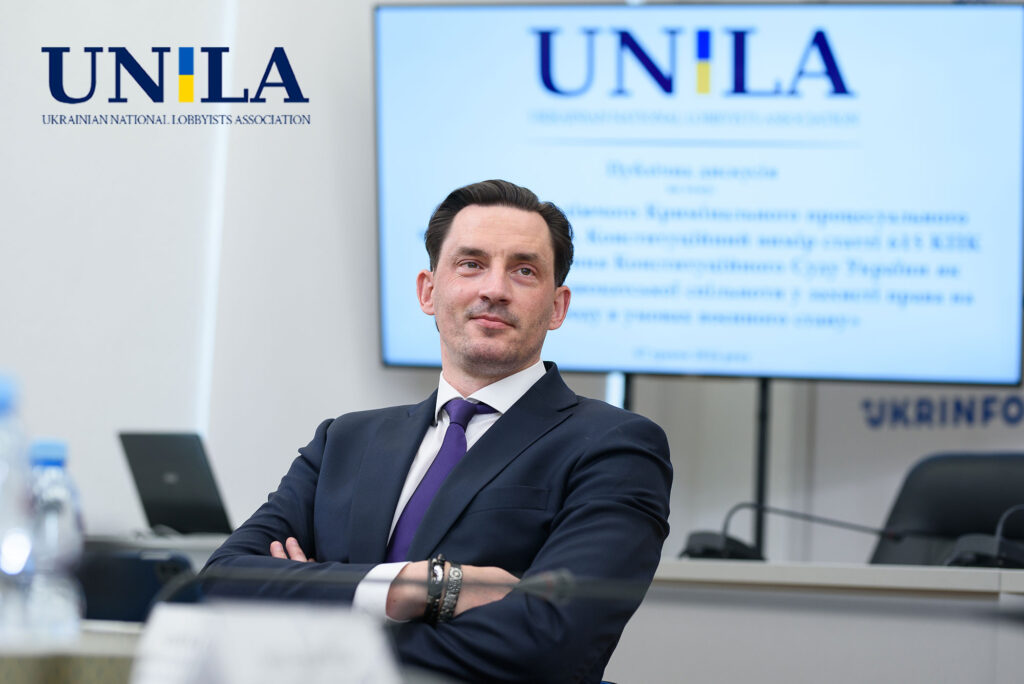
“The Constitution of Ukraine and the Convention for the Protection of Human Rights and Fundamental Freedoms establish an unshakable rule: any deprivation of liberty must be based on a reasoned court decision. Martial law allows for certain restrictions, but they cannot offset the very essence of the right to judicial protection,” emphasized Andriy Yosypov.
The speaker paid special attention to the statistical analysis of the application of Article 615 of the CPC of Ukraine. According to him, the mechanisms, which were conceived as exceptional measures in case of complete impossibility of the court’s work, have actually become a massive tool for extending the period of detention even in regions where the judicial system was stable.
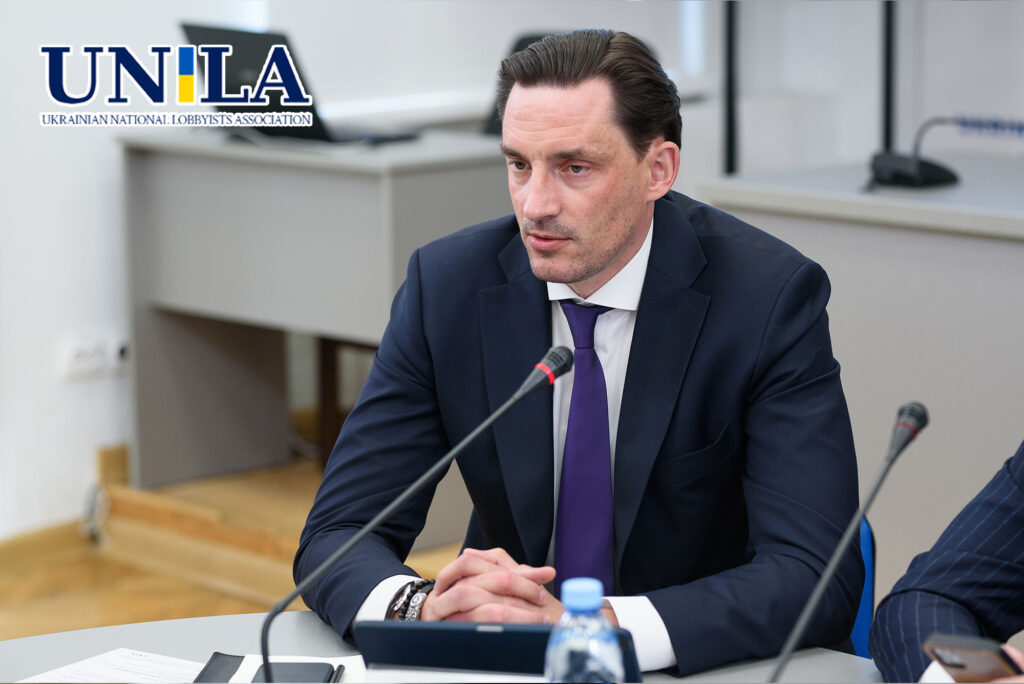
“We analyzed the data for 2023 and concluded that about 15% of all restrictions of liberty took place in the “gray zone” without proper judicial control. This indicates that exceptional mechanisms have actually turned into a systemic tool for extending the period of detention,” said Andriy Yosypov.
The participants of the event were particularly interested in the analysis of the case of Roman Chervinsky, which Andriy Yosypov cited as an example of strategic protection of human rights under martial law.
“We initiated a constitutional complaint to prove that Article 615 of the CPC of Ukraine has become a tool for courts to evade their direct responsibilities in cases where they actually have a full opportunity to administer justice,” the lawyer emphasized.
During the discussion, Andriy Yosypov also drew attention to the key issue of legal uncertainty of Article 615 of the CPC of Ukraine.
“There is one problem that runs through Article 615 – the problem of legal uncertainty. The legislator should clearly define when, how and in what way exceptional procedures can be applied under martial law,” the speaker emphasized.
The first part of the discussion on constitutional and legal doctrine was addressed by the Director of the Vadym Hetman Kyiv National Economic University Law Institute, Doctor of Law, Professor Liudmyla Kozhura; attorney, PhD in Law, Associate Professor of the Department of Constitutional Law of the National Academy of Internal Affairs Iryna Les; and attorney at Barristers Bohdan Zabara.
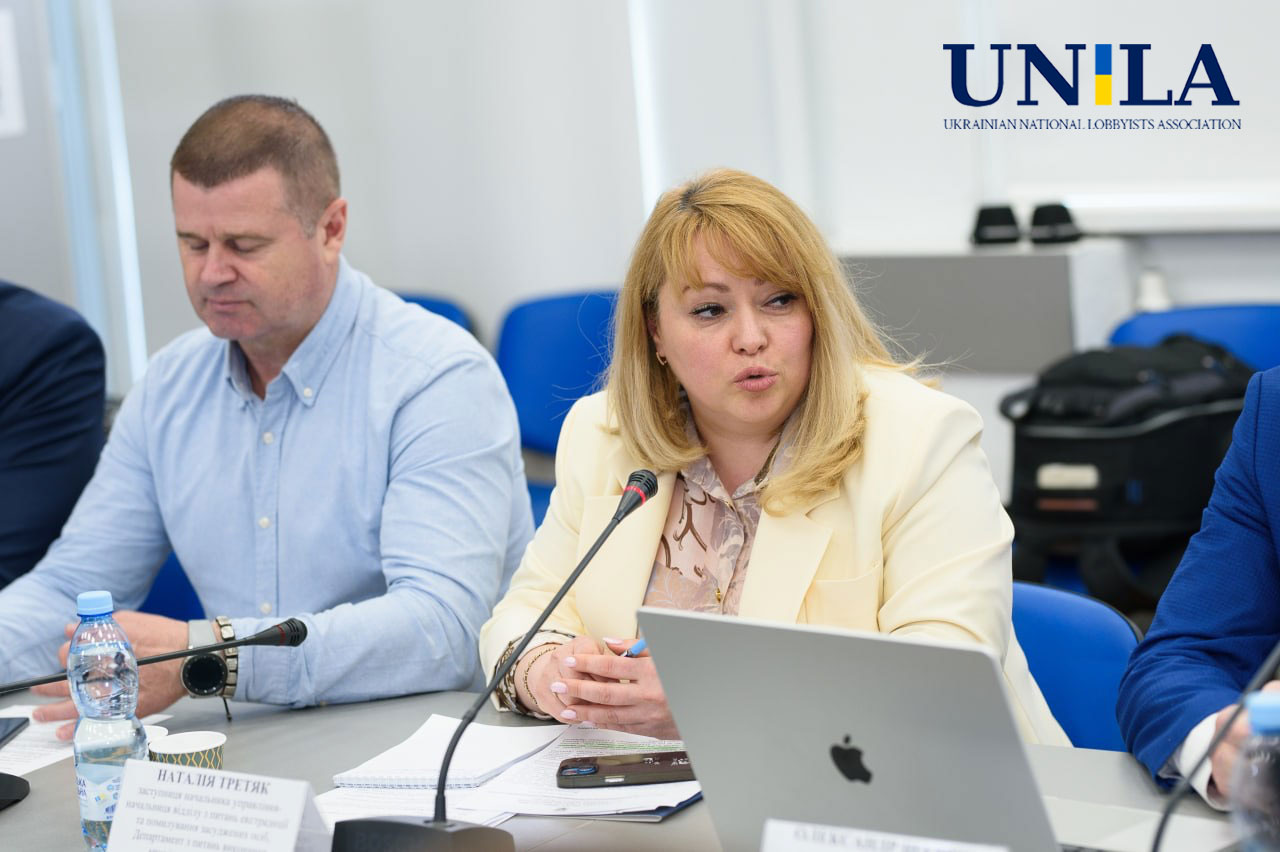
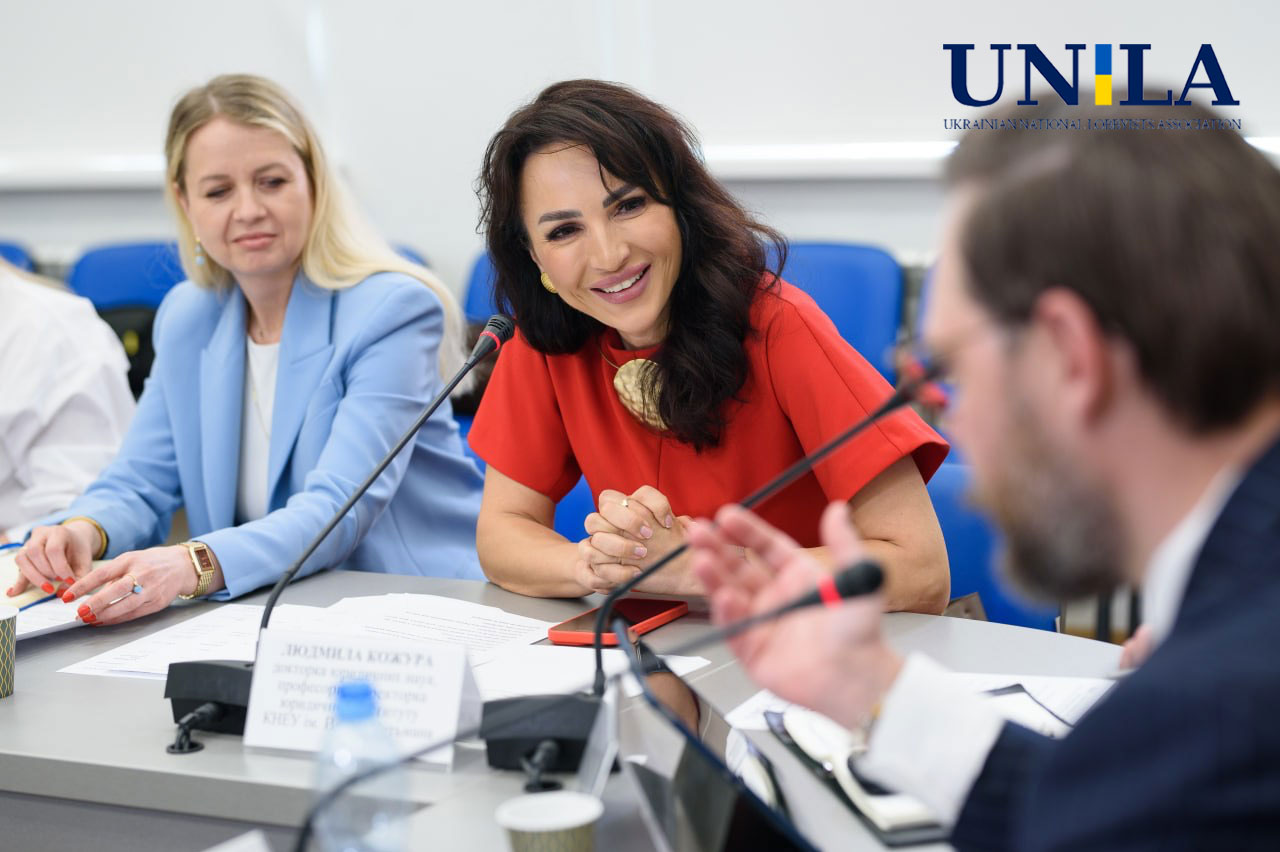
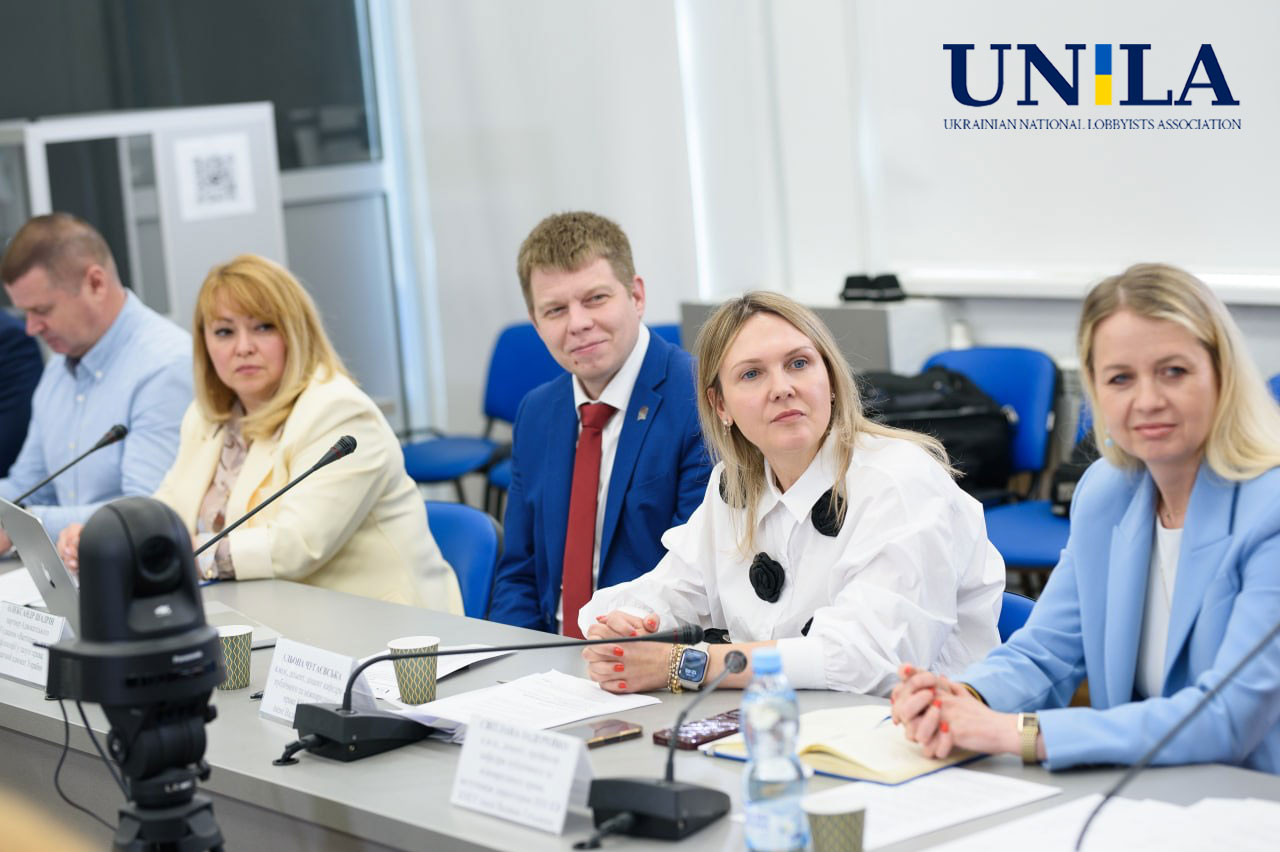
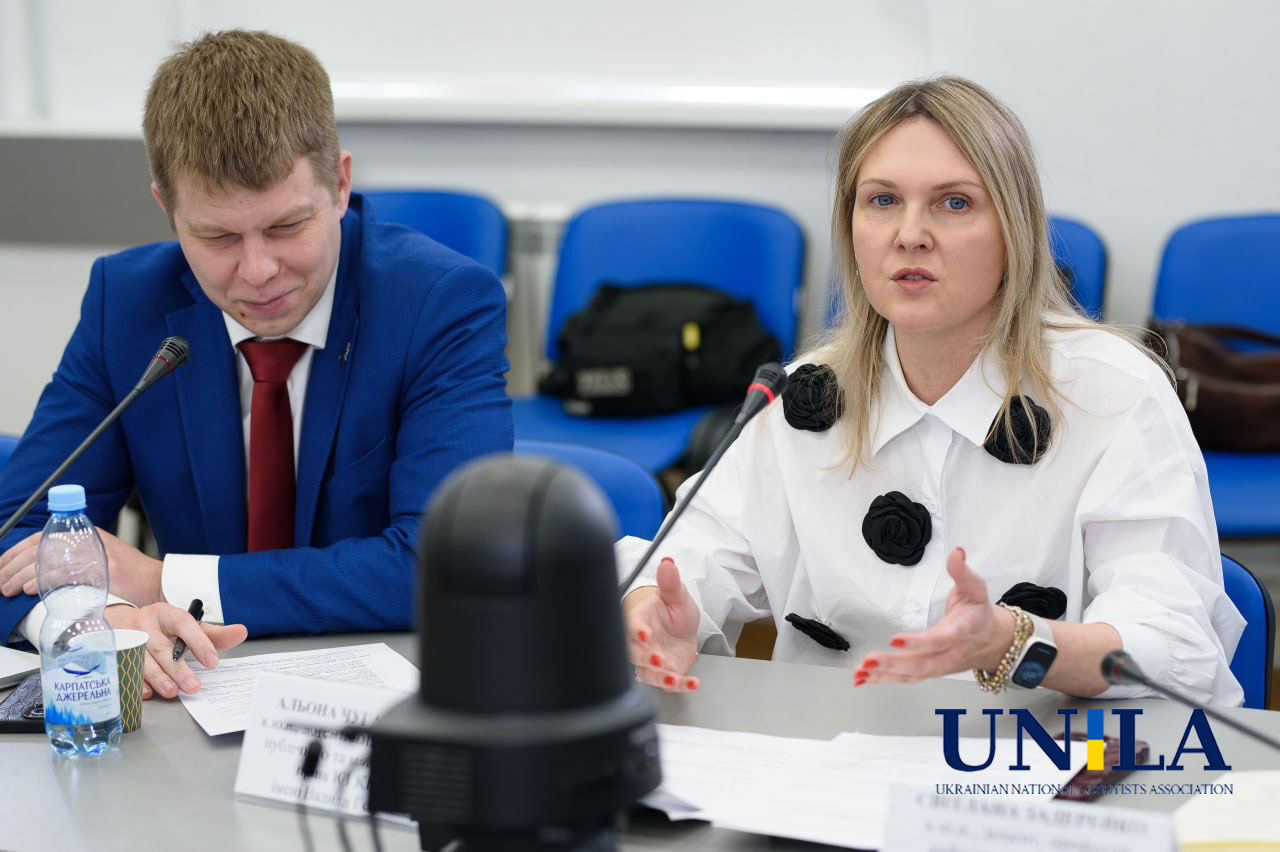
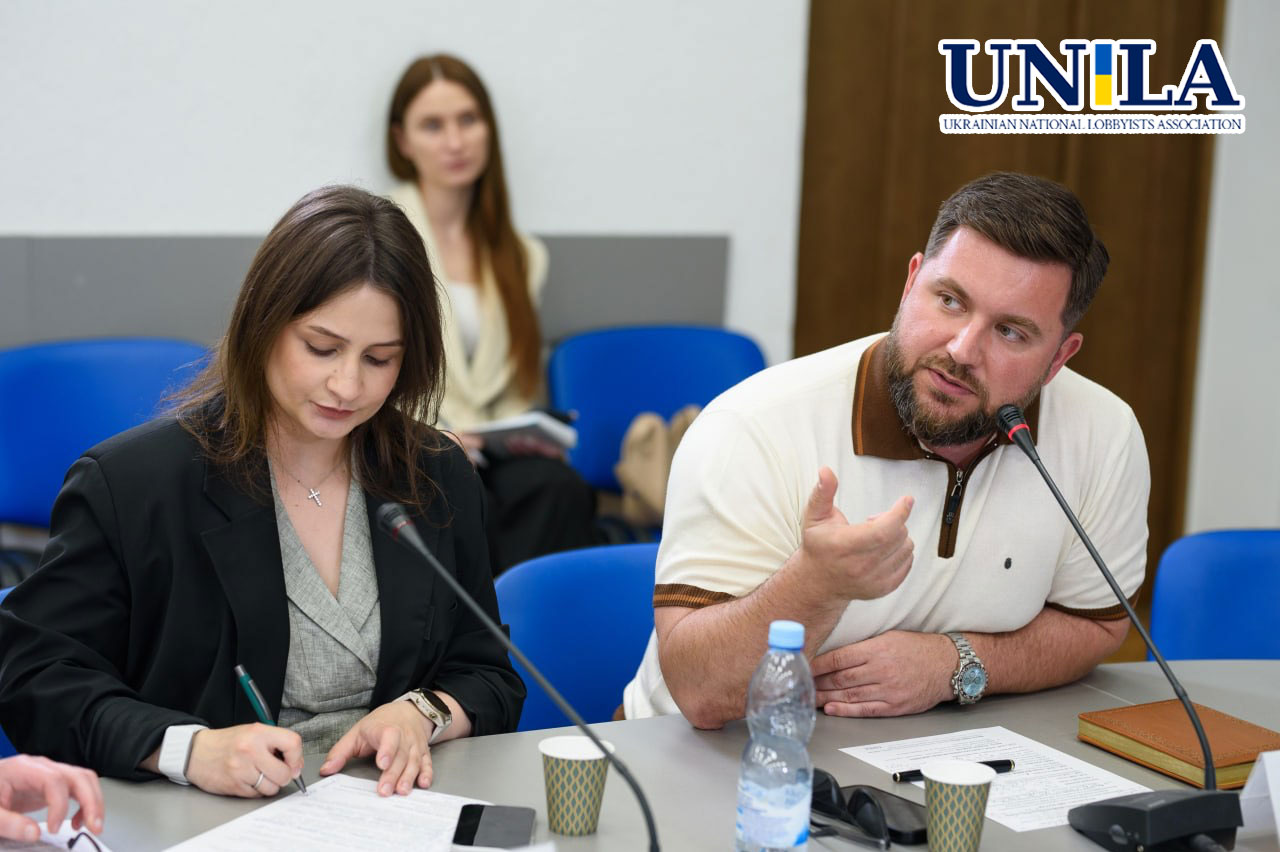
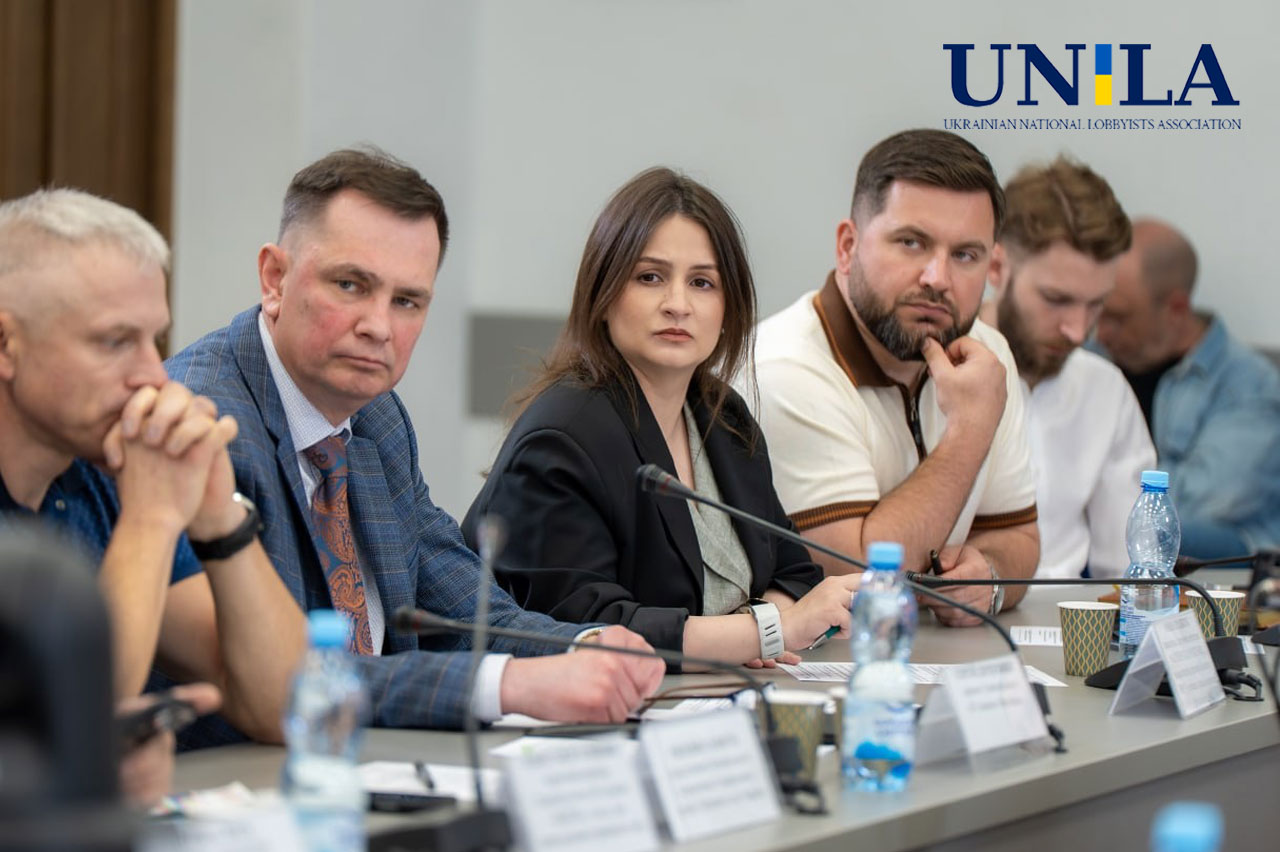
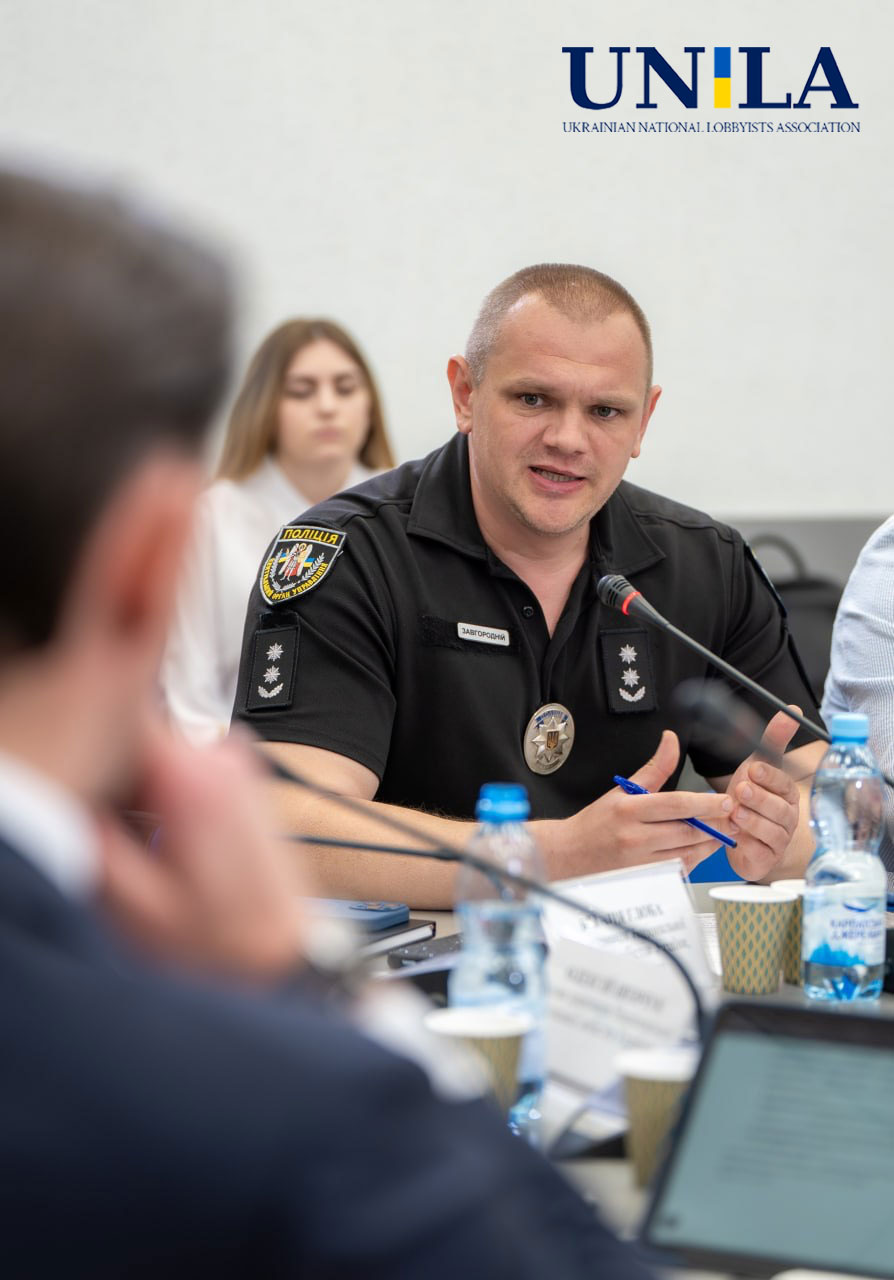
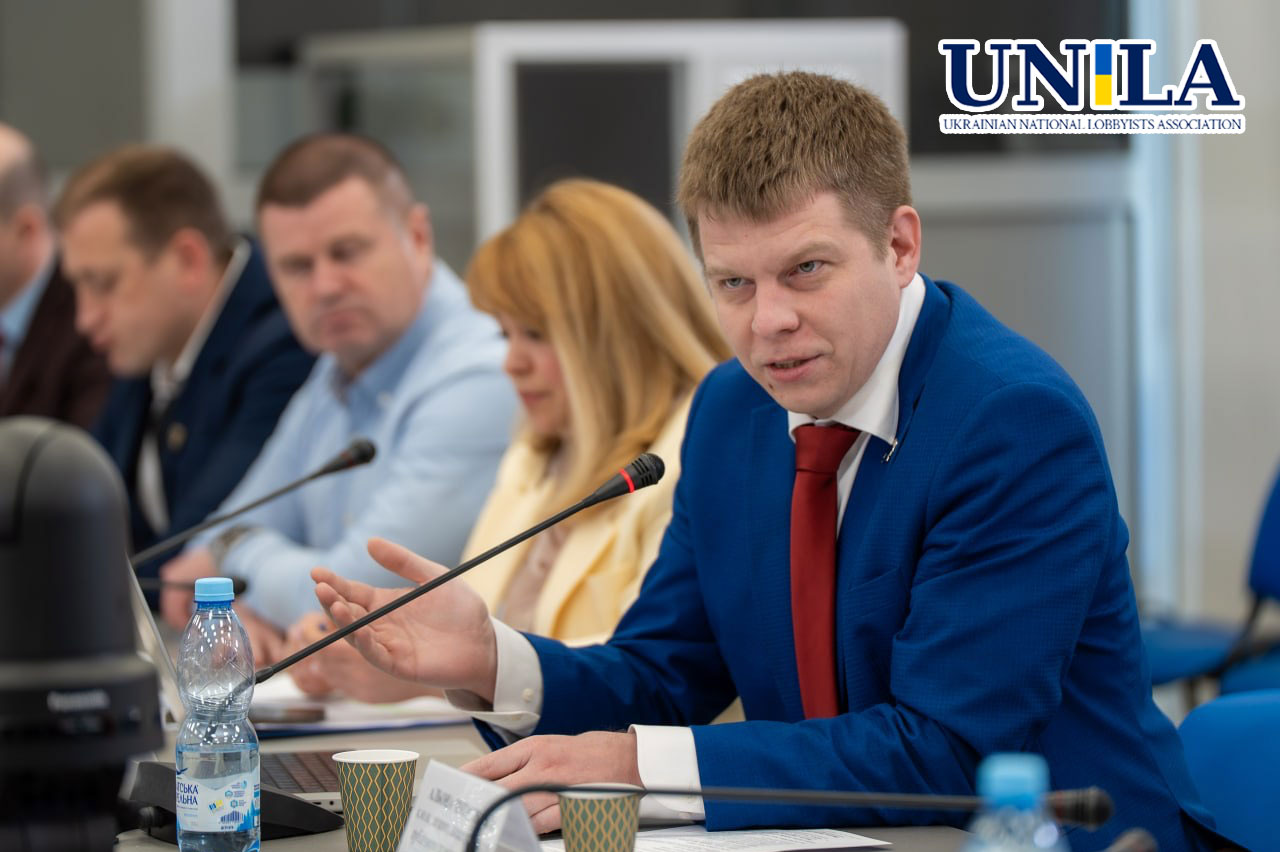
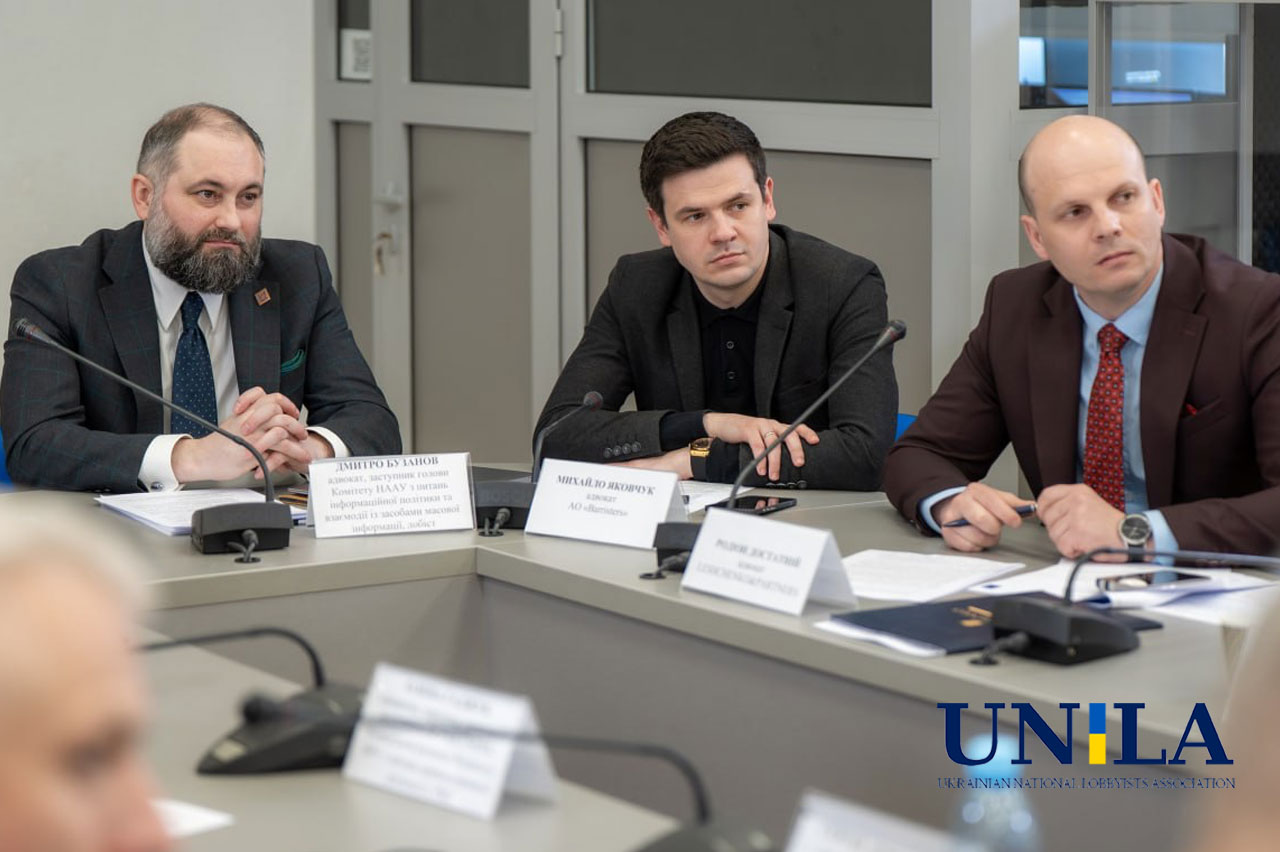
In the second block, devoted to law enforcement analysis, the following speakers presented their positions: Partner of Barristers, Doctor of Philosophy in Law Oleksandr Shadrin; Candidate of Law, Associate Professor of the Department of Public and International Law of the Vadym Hetman Kyiv National Economic University Alyona Chuhayevska; Senior Investigator of the Department of Investigation of Particularly Serious Crimes of the Investigation Department of the Main Directorate of the National Police in Kirovohrad Region, Police Captain Yevhen Tyrlych; Member of the Board of Trustees of the National Bar Association, Doctor of Law Yaroslav Melnyk; Candidate of Law, Professor of the Department of Public and International Law of the National Bar Association of Ukraine
Attorneys, representatives of the academic community, law enforcement agencies and government institutions took an active part in the professional discussion, in particular: Lieutenant Colonel Vitaliy Zavgorodnyi, Head of the Department of the Main Inspection and Human Rights Observance, attorney Oleksandr Oliynyk, attorney Olena Hadzhuk, Dostatnyi Rodion, attorney at LESHCHENKO&PARTNERS, Dmytro Buzanov, attorney, lobbyist, representative of the Central Legal Department of the General Staff of the Armed Forces of Ukraine Colonel Yevhen Sologub, as well as other representatives of the legal community, I
During their speeches, the participants repeatedly drew attention to the problem of formal judicial control, the practice of automatic extension of detention, the need to comply with the standards of the European Court of Human Rights and the inadmissibility of substituting objective military circumstances for formal procedural grounds.
Alyona Chuhayevska emphasized that even under martial law, any restrictions on human rights must remain proportionate and justified.
“The ECHR allows for certain derogations in times of war, but not from basic guarantees. And we must always remember this. Human rights protection is part of the state’s security,” she said.
Svitlana Zadereyko focused on the problem of “automaticity” in criminal proceedings.
“It is unacceptable for the court to start acting as a registrar. The decision of the Constitutional Court of Ukraine is a clear signal that Article 615 of the CPC of Ukraine should be implemented systematically,” she emphasized.
Yaroslav Melnyk drew attention to the need to strengthen liability for abuse of procedural rights and failure to comply with procedural obligations.
“We should talk not only about the abuse of rights, but also about the failure to fulfill duties. It is then that we will see the full picture of who is not fulfilling their duties and in what part,” the scholar emphasized.
Colonel Yevhen Sologub, a representative of the Central Legal Department of the General Staff of the Armed Forces of Ukraine, drew attention to the problem of excessive length of time for consideration of cases related to the activities of the Armed Forces of Ukraine.
“For a very long time, the materials have been with the investigators and the judicial system. This is unacceptable in times of war. It is necessary to develop mechanisms for prompt consideration of such categories of cases,” he noted.
The participants of the discussion supported the idea of developing joint proposals for amendments to the CPC of Ukraine and further submitting them to the relevant parliamentary committee.
Summarizing the event, Oleksiy Shevchuk emphasized the need to continue professional dialogue between the bar, academics, law enforcement agencies and legislators to develop an effective model of criminal justice that will meet constitutional standards and ensure a proper balance between the interests of state security and human rights under martial law.