Experts: Berkeley Protocol remains a key international standard for documenting war crimes, but needs to be adapted to modern challenges
Today, the Berkeley Protocol is in fact the basic international standard for documenting and recording war crimes, but the current challenges associated with the full-scale war of the Russian Federation against Ukraine require its further development and adaptation.
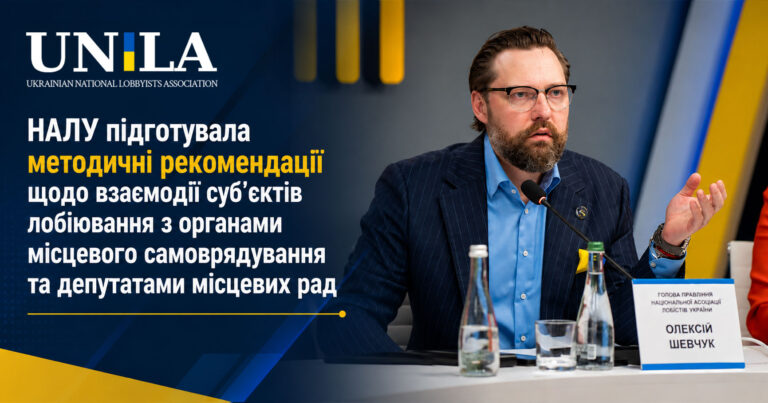
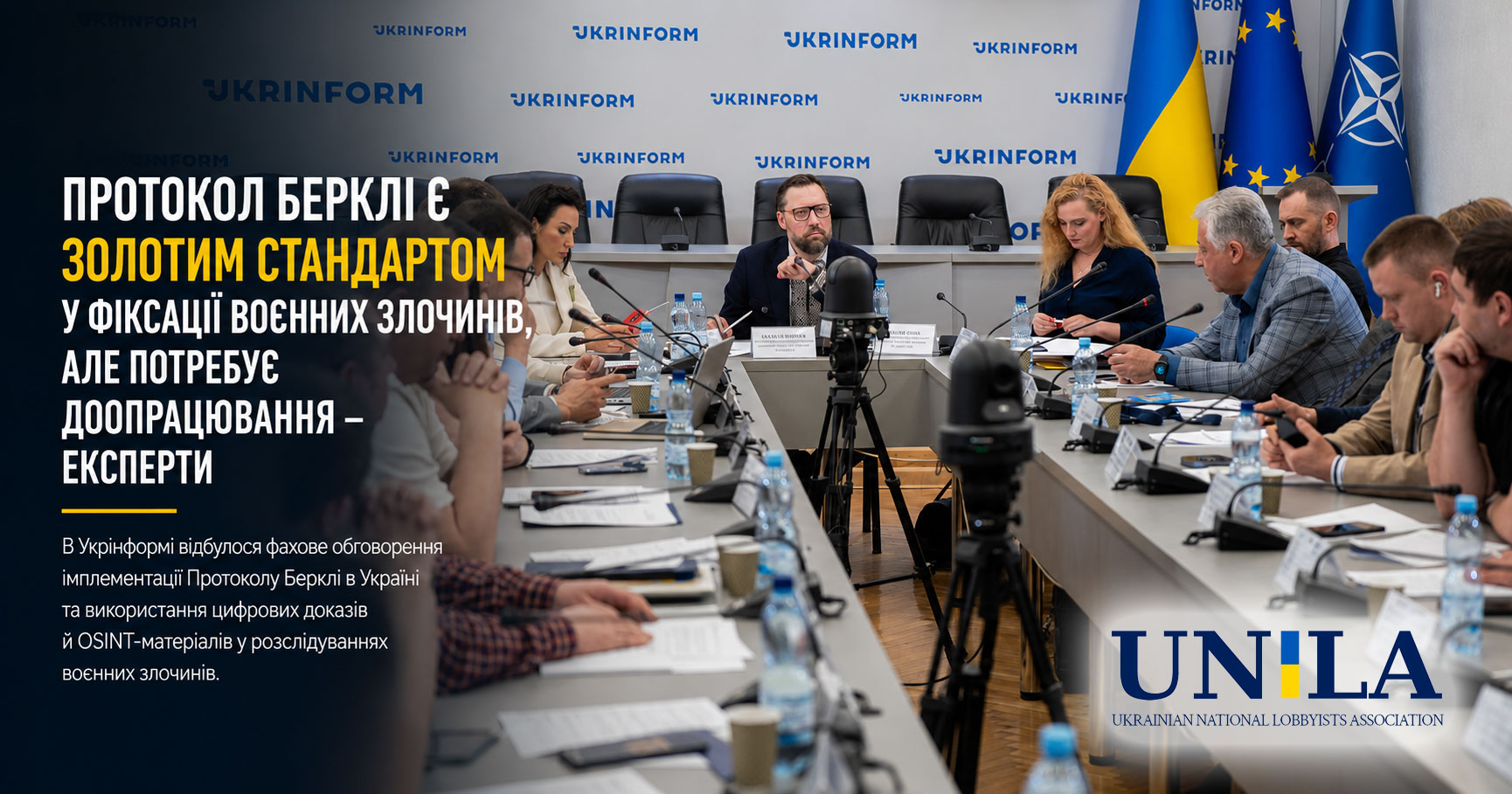
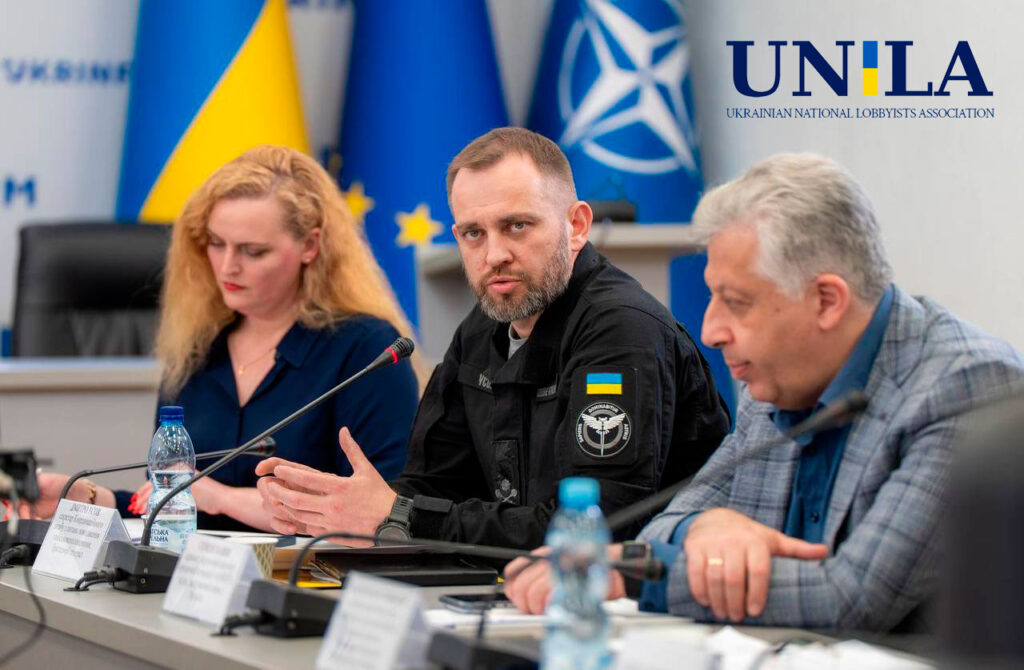
This was stated by Oleksiy Shevchuk, Chairman of the Board of the Ukrainian National Lobbyists Association, during a professional discussion in Ukrinform on the topic “Implementation of the Berkeley Protocol in Ukraine: from the international standard to the national procedural practice”.
According to Shevchuk, the Berkeley Protocol has already become an international benchmark in documenting international crimes and working with digital evidence, but the development of technology and the specifics of modern warfare create new challenges for the international legal system.
“The Berkeley Protocol is the gold standard for documenting and recording war crimes. At the same time, the war is changing, technologies are changing, the digital environment is constantly transforming. And it is obvious that the Berkeley Protocol itself also needs to be revised to take into account the circumstances that Ukraine is facing today,” Oleksiy Shevchuk emphasized.
Vasyl Kostytskyi, Doctor of Law, Professor, Honored Lawyer of Ukraine, Academician of the National Academy of Legal Sciences of Ukraine, also supported the need to further develop the regulatory framework in this area.
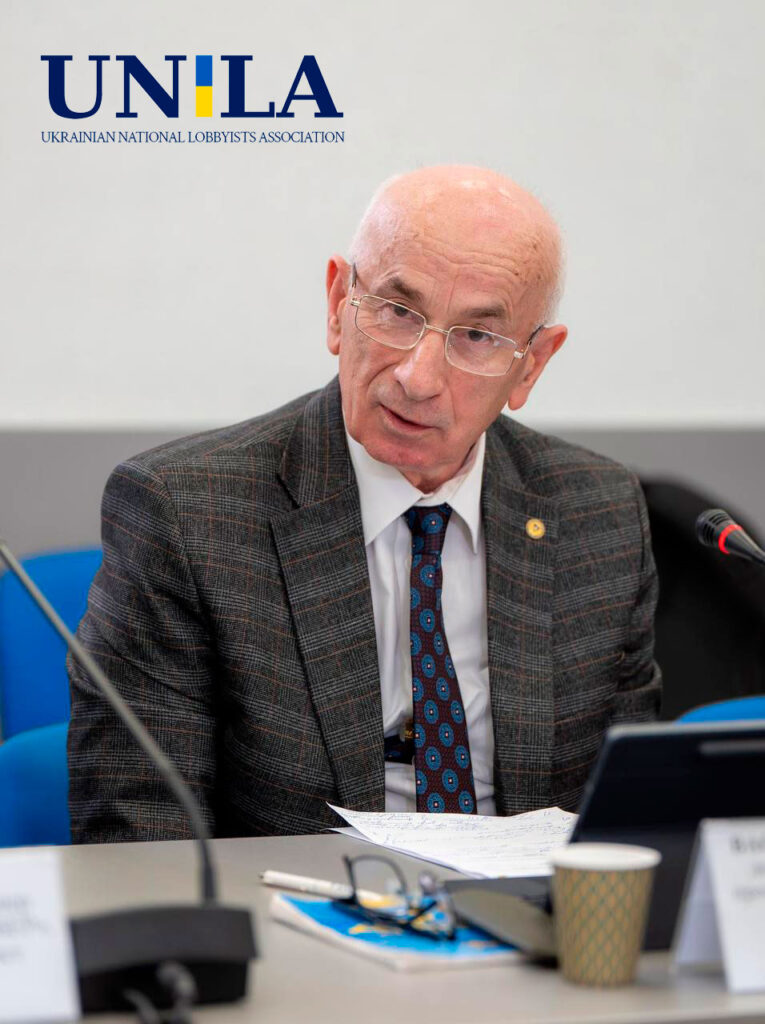
In his opinion, Ukraine should not only integrate international standards into its own legal system, but also develop legislative mechanisms for their practical implementation. In particular, he spoke about the need to prepare a separate draft law on the implementation of the Berkeley Protocol into Ukrainian legislation.
During the discussion, Lyudmyla Kozhura, Director of the Vadym Hetman Kyiv National Economic University Law Institute, Doctor of Law, explained in detail the legal nature of the Berkeley Protocol on Investigating Digital Open Sources.
According to her, this is an international recommendatory standard developed under the auspices of the Office of the United Nations High Commissioner for Human Rights in cooperation with experts from the University of California, Berkeley.
“The purpose of the Berkeley Protocol is to establish professional standards for the collection, verification, preservation and use of digital information from open sources to document human rights violations, international crimes and the potential use of these materials in litigation. In fact, it is an attempt to turn chaotic digital content into legally reliable evidence,” explained Kozhura.
She noted that modern wars leave behind not only physical consequences but also a huge digital footprint.
As an example, Kozhura cited the international investigation of the MH17 crash in Donbas, which demonstrated the possibility of using open digital sources to reconstruct international crimes.
“It was then that the world saw that geolocation, photos, video analysis, time stamps, and other elements of digital information can be not just information noise, but a powerful evidentiary resource,” she said.
Another illustrative example, according to the expert, was the Syrian conflict, during which international investigators often did not have physical access to the sites of events at all, and state archives were destroyed or inaccessible.
“In certain cases, open digital sources have become not an auxiliary, but in fact the only mechanism for documenting international crimes,” emphasized Kozhura.
At the same time, she drew attention to the serious problem of trust in digital evidence.
“Digital material is not an automatic truth. It can be edited, taken out of context, changed in time or created using deepfake technologies. That is why the international community needed to create a single standard for working with such materials,” explained the director of the Legal Institute.
In her opinion, the Berkeley Protocol has actually created for digital evidence what classical forensics once created for physical evidence-a system of trust and procedural verification.
“If a crime is recorded but cannot be legally used in court, it means a loss of justice. If the law does not adapt to digital reality, digital reality will begin to exist outside the law,” emphasized Kozhura.
She also emphasized that the war in Ukraine has already become one of the most documented wars of our time.
We are talking about the events in Bucha, Irpin, Mariupol, Izium, the deportation of Ukrainian children, attacks on civilian infrastructure, and crimes against prisoners of war.
At the same time, much of the primary information on these crimes exists in digital format.
Kozhura noted that the International Criminal Court is already actively working with digital evidence, and states such as the United States and the United Kingdom are integrating Open Source Evidence into criminal proceedings.
“The world is no longer debating whether digital materials can be evidence. Today, the discussion is about the standards of their admissibility and procedural design. And here, Ukraine should not just catch up with international practice, but shape it,” the expert said.
Oleksandr Kravchenko, Senior Investigator for Particularly Important Cases at the Main Investigation Department of the National Police of Ukraine, said that law enforcement officers are already using certain principles of the Berkeley Protocol in their work.
According to him, investigators are actively working with video footage, checking the authenticity of photographs, analyzing digital traces and comparing this data with the testimony of the victims.
“We are checking the video, analyzing whether the photos have been manipulated, comparing the materials with each other and working comprehensively with the evidence and the victims,” Kravchenko said.
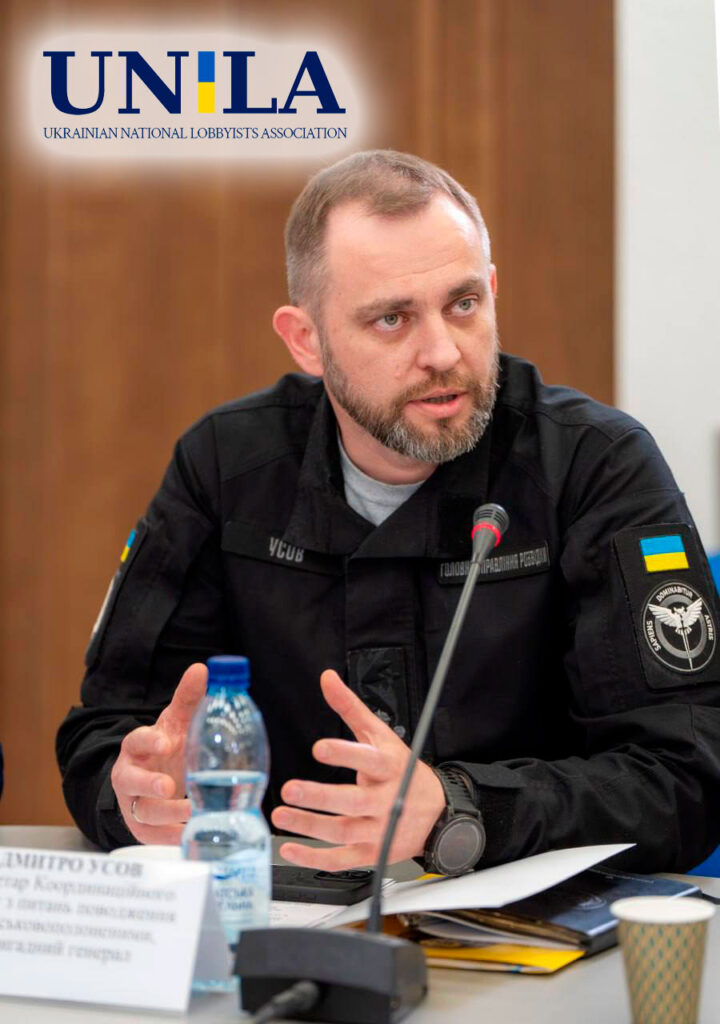
Roman Lytvyn, Deputy Head of the Department for Prevention, Detection and Suppression of Offenses of the Main Directorate of the Military Law Enforcement Service of the Armed Forces of Ukraine, said that the Ministry of Defense is already working on two draft regulations on official inspections and official investigations, which take into account certain principles of the Berkeley Protocol.
He also confirmed that the Military Law Enforcement Service actively uses OSINT materials in its activities.
“We work with open digital sources and verify information obtained through OSINT capabilities,” Lytvyn said.
At the same time, the HCJ representative drew attention to the existence of a number of interagency problems in working with digital evidence.
According to him, the Military Law Enforcement Service does not have its own pre-trial investigation bodies, so it has to transfer all the materials it receives to other law enforcement agencies according to their jurisdiction.
“Today, there are problems with the transfer of these materials, preservation of their identity, lack of interagency interaction protocols, as well as digital security procedures during the transfer of digital evidence,” Lytvyn said.
He emphasized that this is why the issue of full implementation of the Berkeley Protocol is extremely important for the Military Law Enforcement Service and other law enforcement agencies of Ukraine.