The Ukrainian National Lobbyists Association discussed issues related to the enforcement of the Law “On Lobbying”: Experts called for improvements to the National Agency for Corruption Prevention’s guidelines and tax regulations
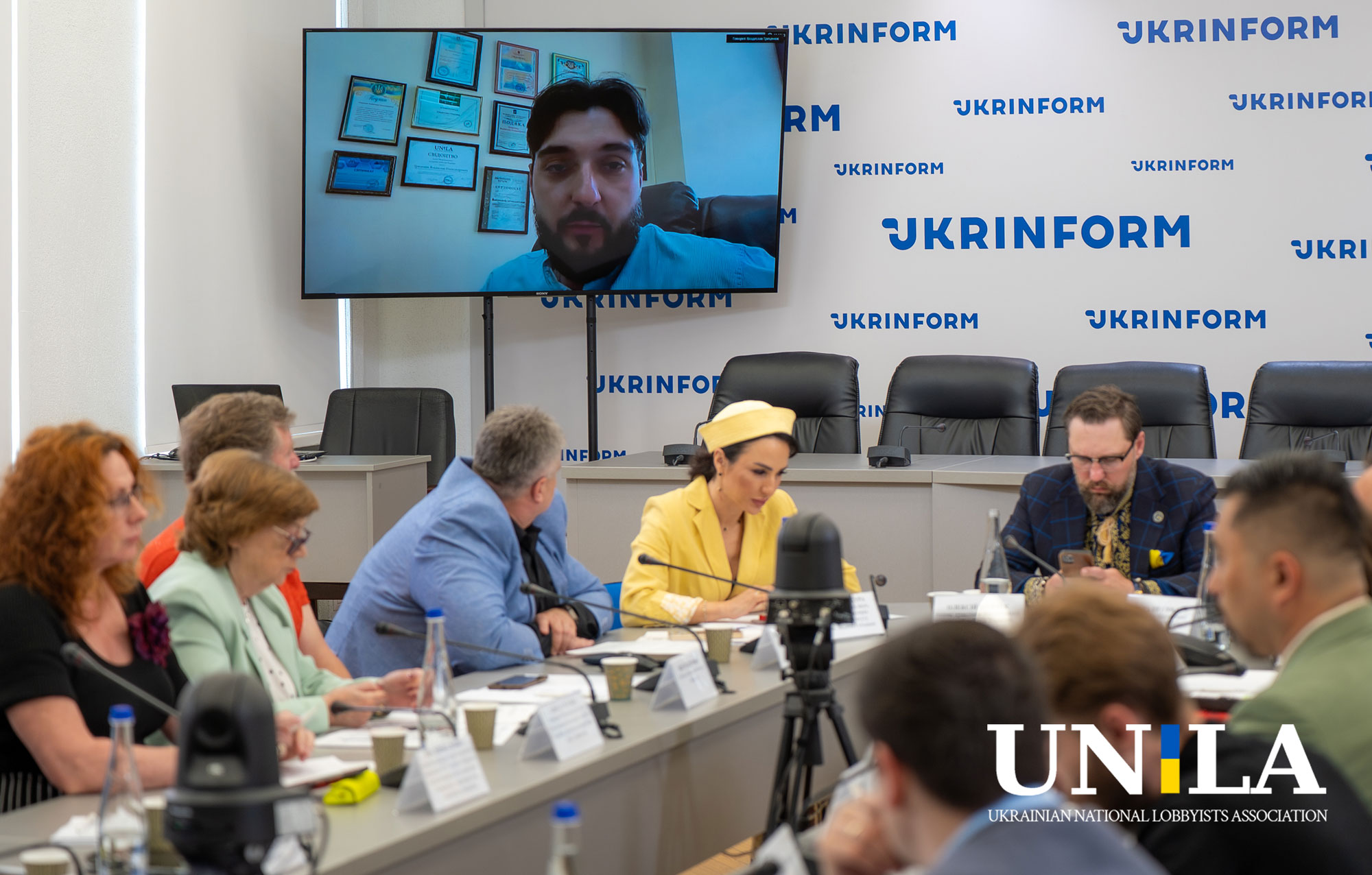
Kyiv, June 17. The Ukrinform news agency hosted a public discussion on the topic “Lobbying in Ukraine: Taxation of Lobbying Activities and the NACP’s Clarifications on the Application of Lobbying Legislation, ” organized by the Ukrainian National Lobbyists Association. Participants discussed practical issues regarding the application of the Law of Ukraine “On Lobbying,” which came into force as part of the state’s anti-corruption and European integration policies.
The event was opened by Oleksiy Shevchuk, Chairman of the Board of the Ukrainian National Lobbyists Association, who emphasized the importance of developing a unified approach to the application of lobbying legislation, fostering a professional environment, and ensuring legal certainty for all participants in this new field of activity.
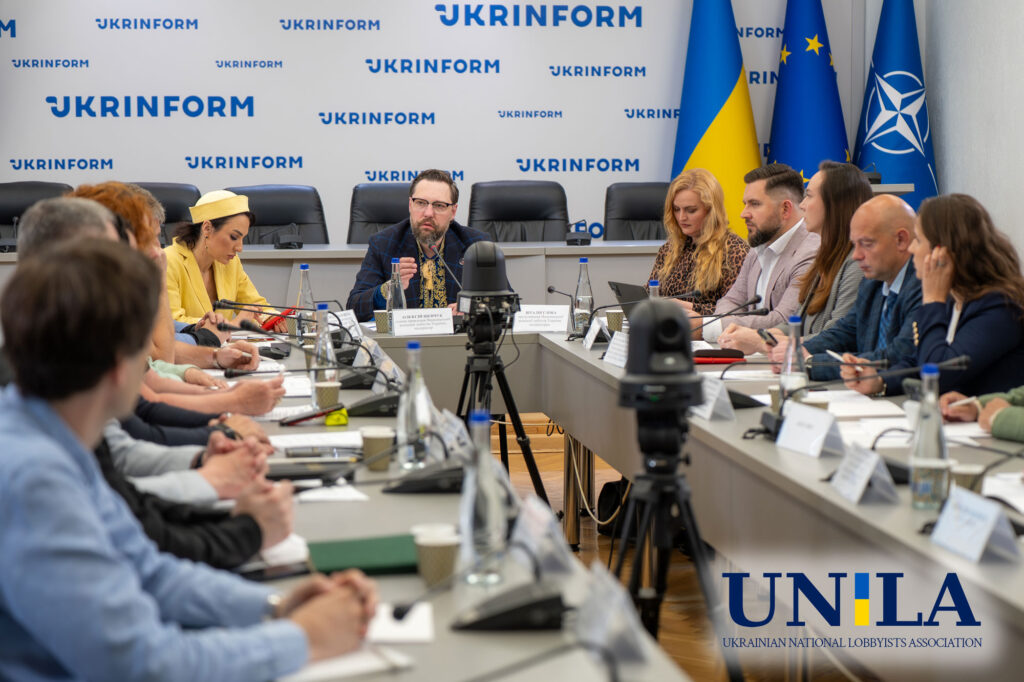
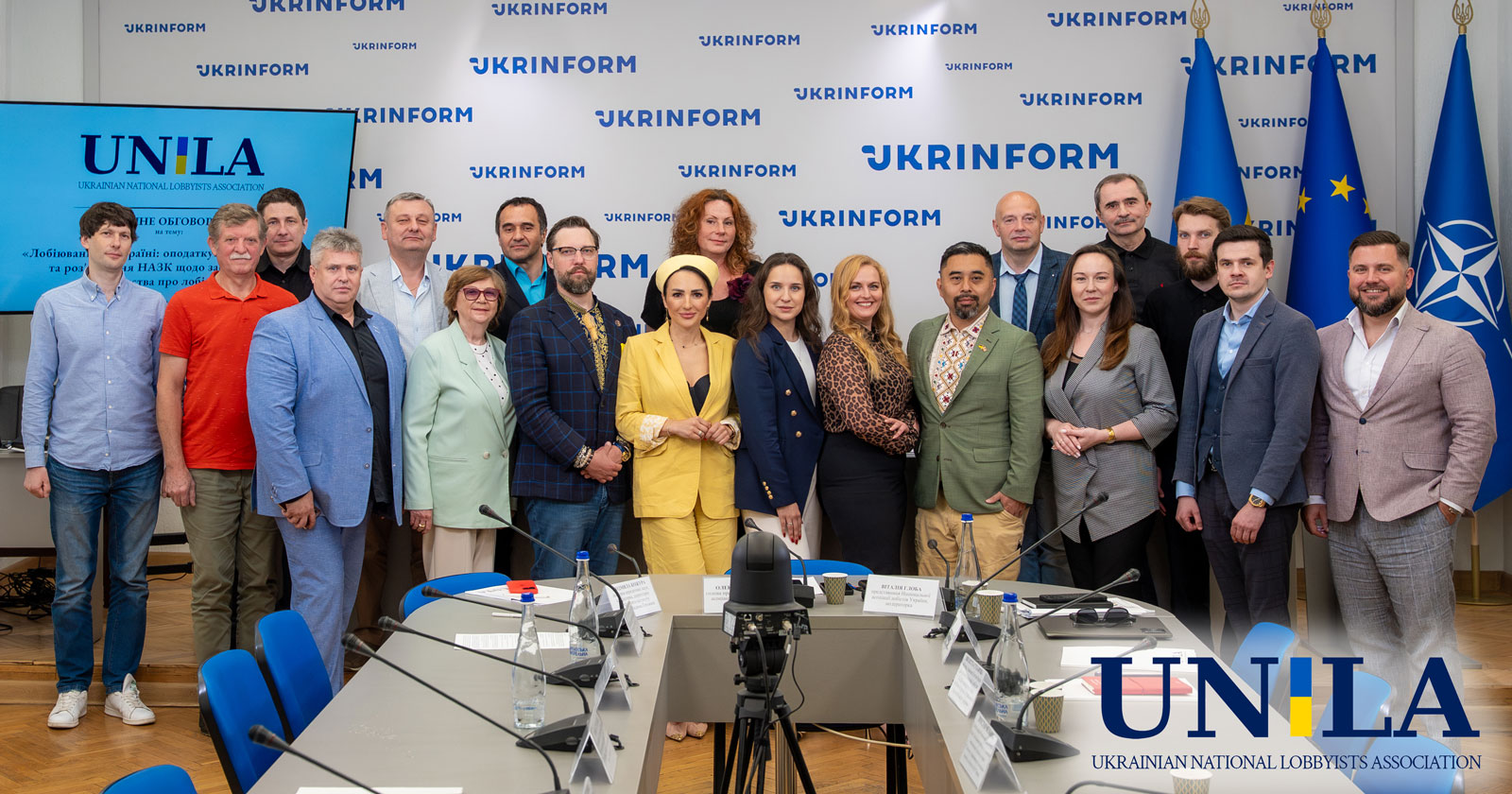
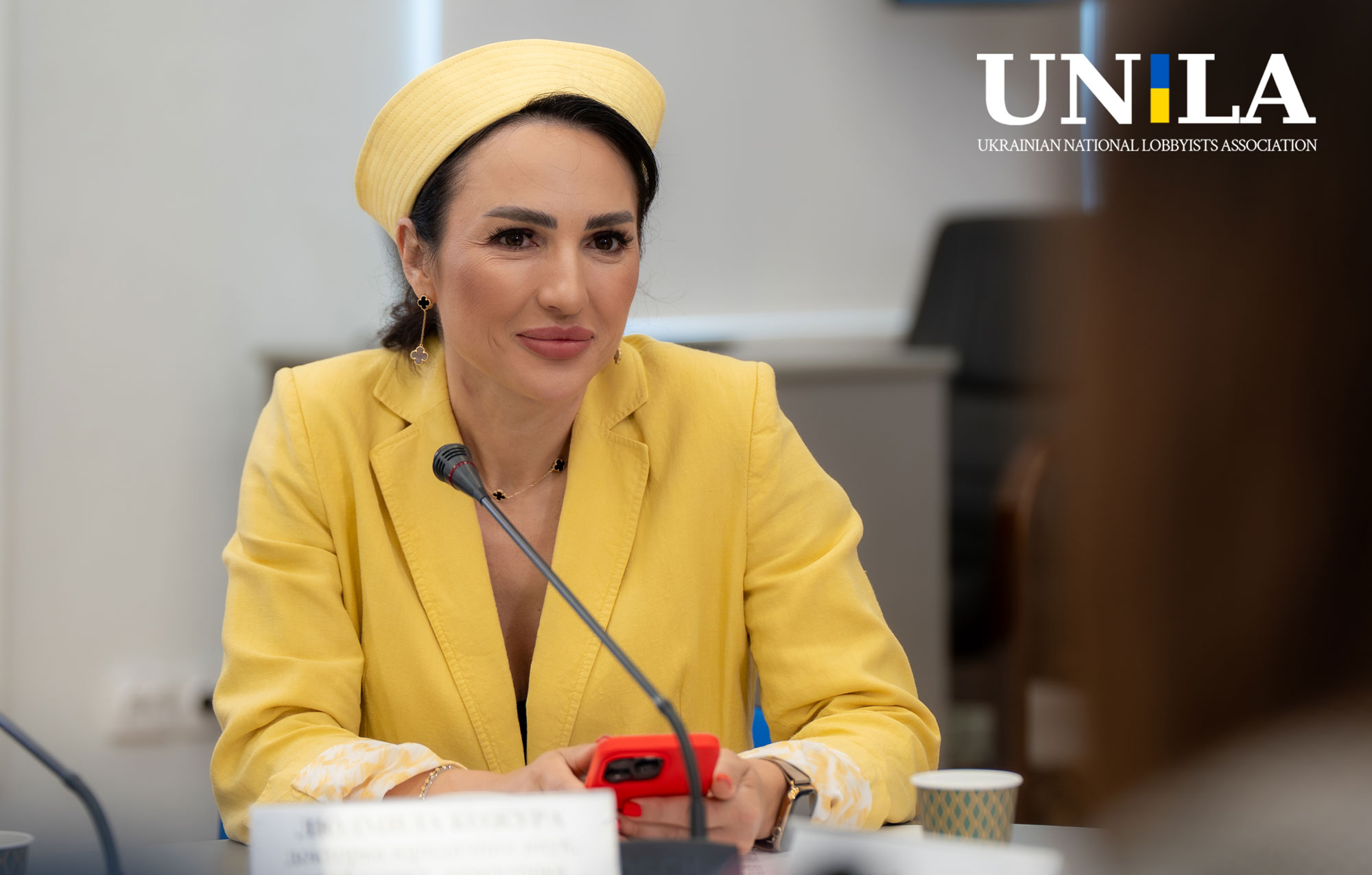
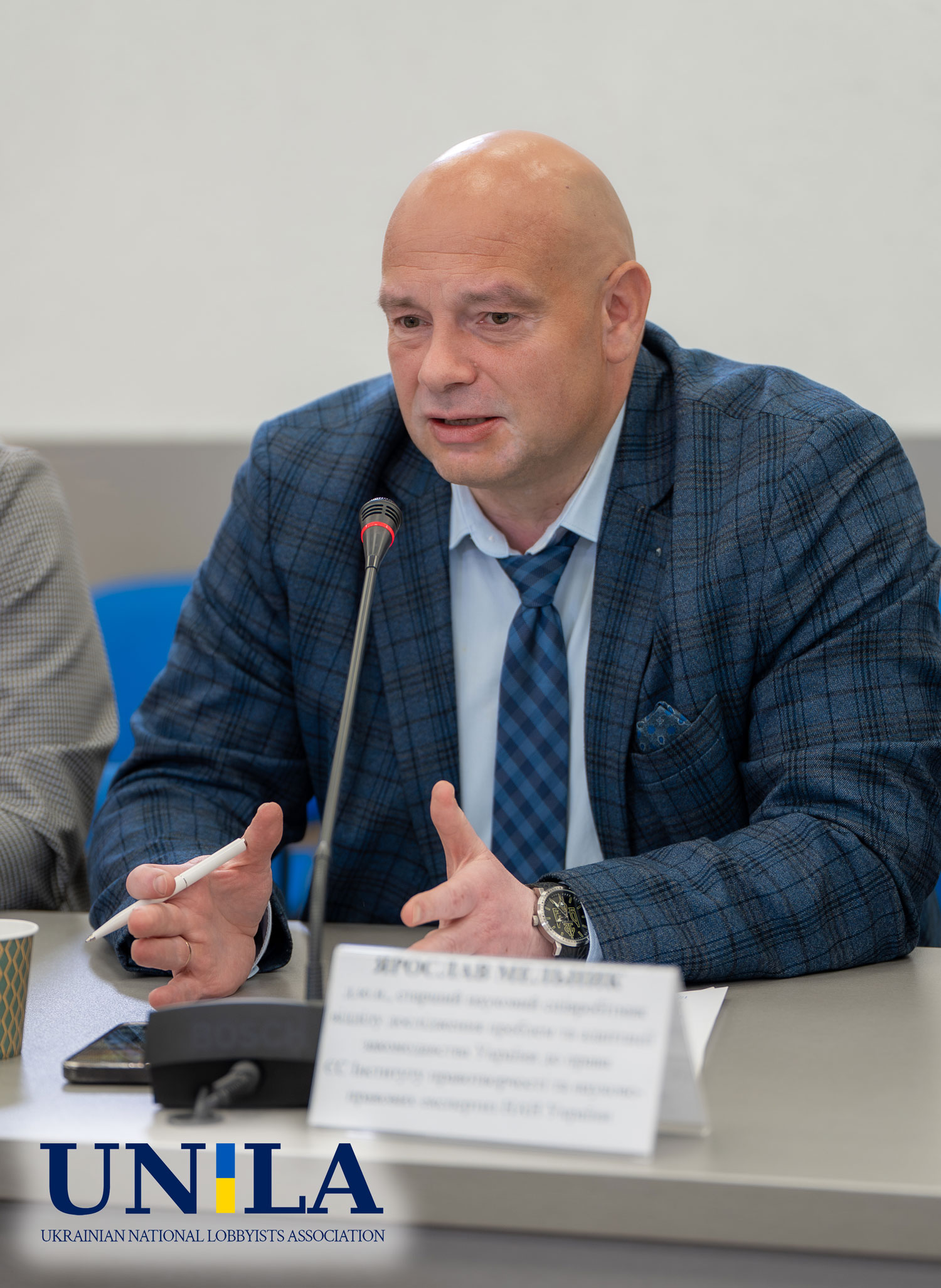
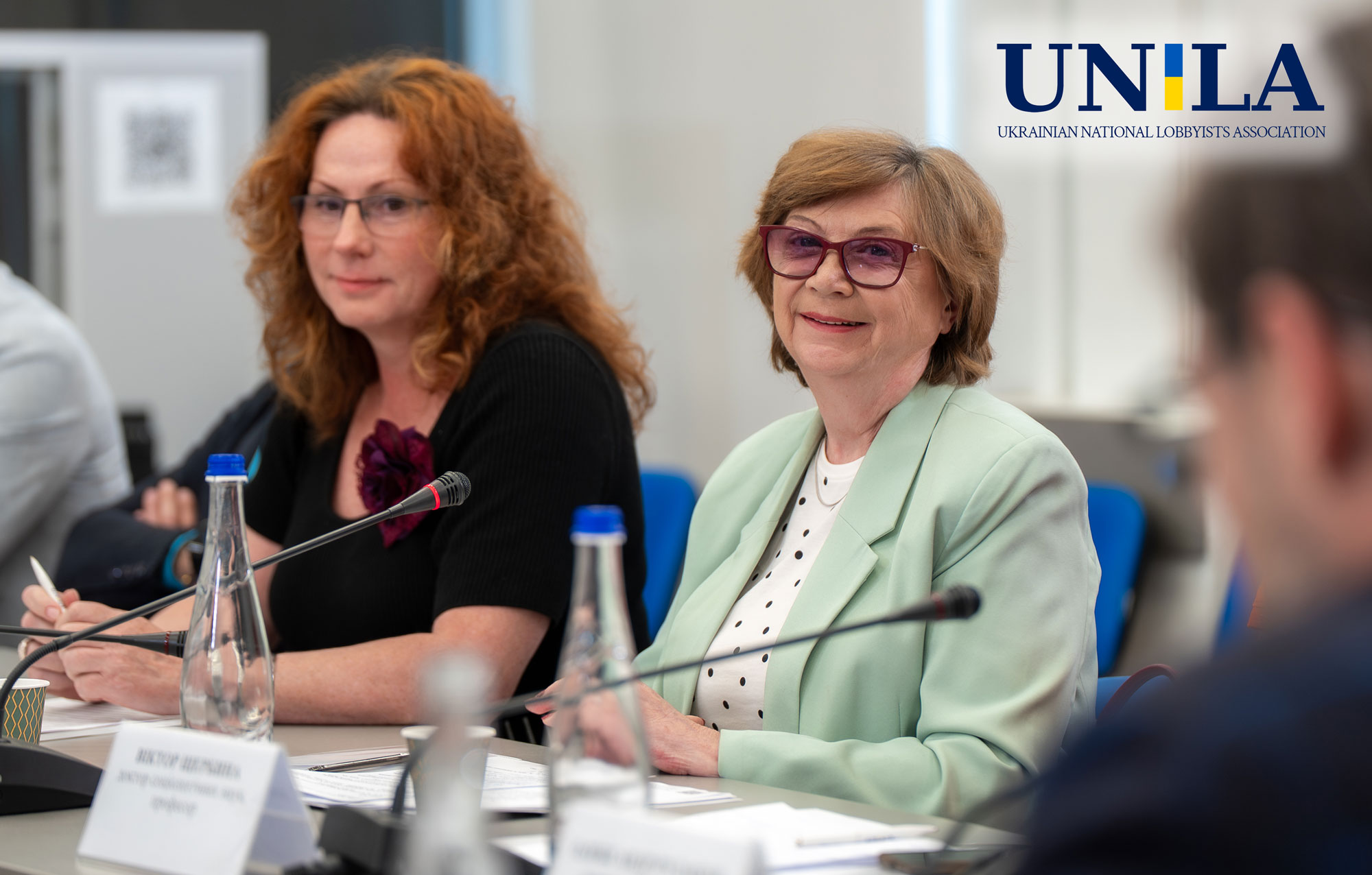
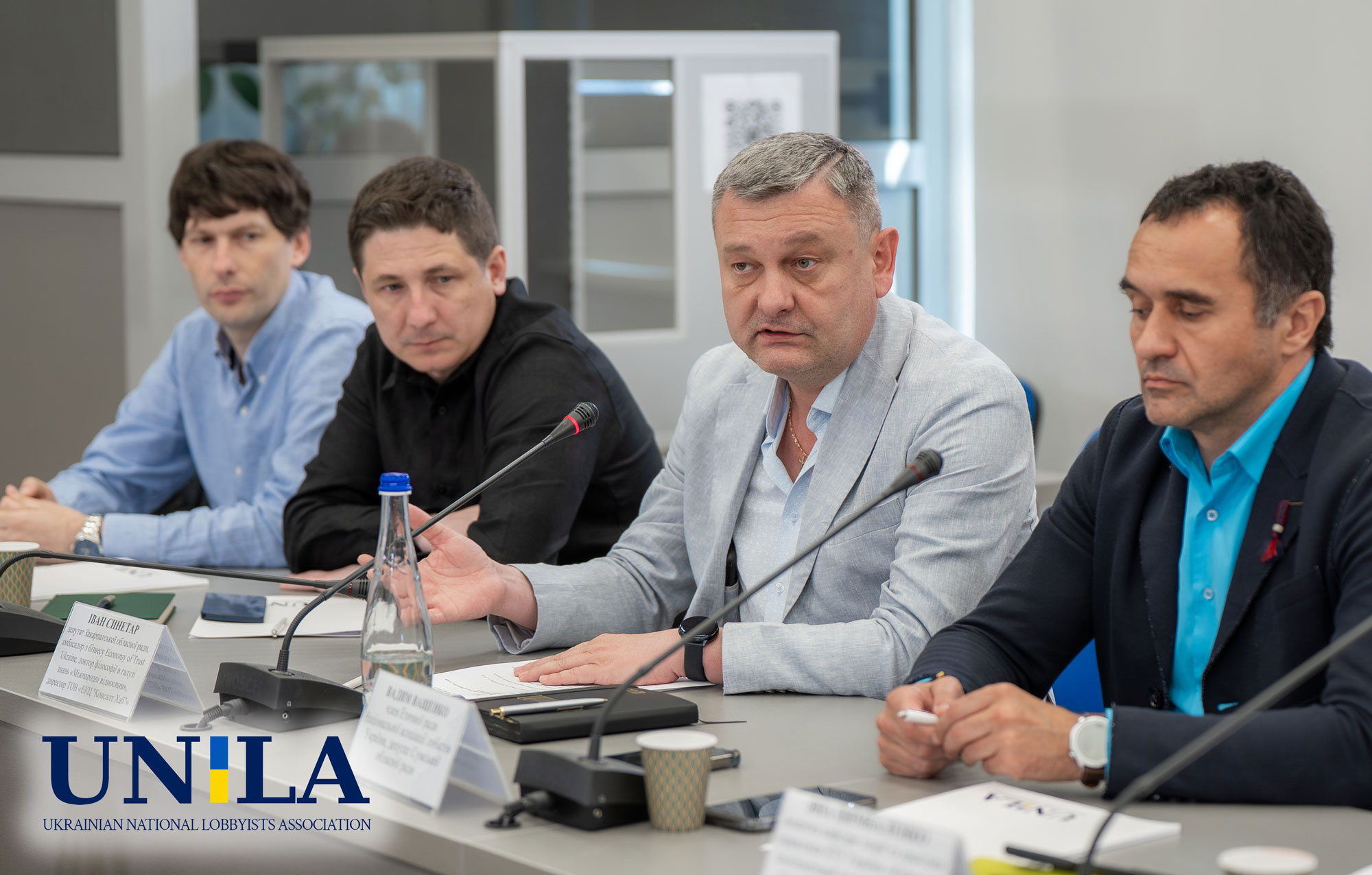
The public discussion was attended by representatives of the professional lobbying community, lobbyists, attorneys, academics, representatives of local governments, members of the Ukrainian National Lobbyists Association, and representatives of the business community and civil society. Among the participants were Lyudmyla Kozhura, Yaroslav Melnyk, and Olga Susska, all of whom hold doctorates in law and are professors; Viktor Shcherbyna, who holds a doctorate in sociology; local council members Vadym Vashchenko, Ivan Synetar, as well as representatives of lobbying entities Mykhailo Yakovchuk, Vitalii Zagorodnii, and Rostyslav Bentsa.
During the event, participants discussed the tax status of lobbying entities, practical aspects of applying the Law of Ukraine “On Lobbying,” the legal implications of official clarifications issued by the National Agency for Corruption Prevention (NACP), challenges related to lobbyists’ activities in local government bodies, as well as the distinction between lobbying, advocacy, legal practice, and interaction with the media.
The tax status of lobbyists requires legislative clarity
During the discussion, Oleksandr Rudakov, a member of the Ethics Council of the National Association of Lobbyists of Ukraine and director of Rail Active Management LLC, spoke on the topic “Some Issues Regarding the Taxation of Lobbying Activities.” Participants discussed the lack of a clearly defined tax status for lobbyists, the need to develop a uniform approach to applying tax legislation, and the need to eliminate legal uncertainty for lobbying entities.
According to Oleksandr Rudakov, the development of the lobbying industry is impossible without predictable tax rules.
“The government has already established a legal framework for lobbying, but tax legislation does not yet provide comprehensive answers regarding the status of lobbyists. Establishing a unified approach to taxation is a prerequisite for the development of a transparent and legal market for lobbying services,” he emphasized.
Lobbying in Local Government: The Law Has Left a Number of Loopholes
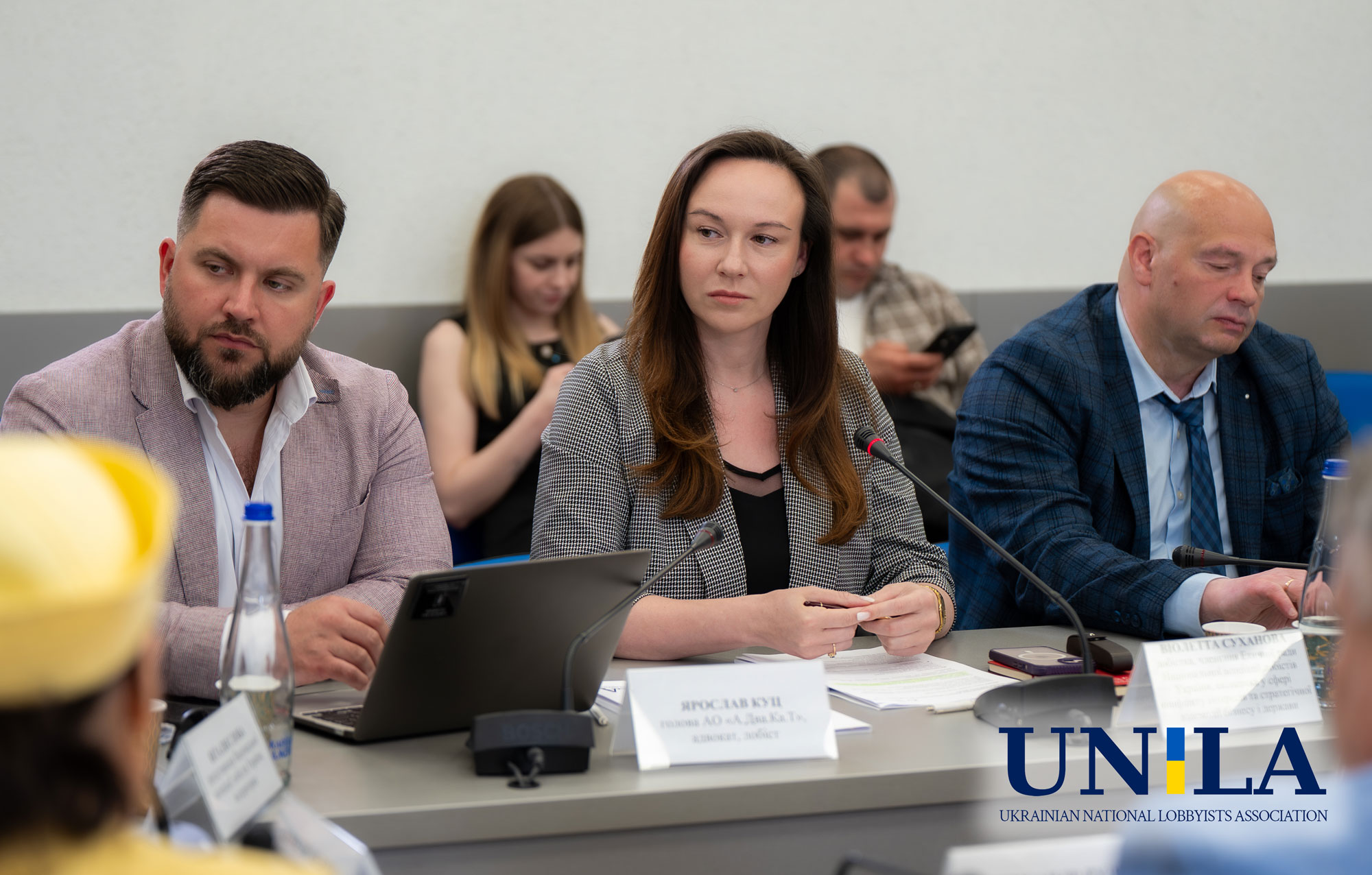
Attorney and lobbyist Yaroslav Kuts presented a report titled “Lobbying in Local Government Bodies.” He pointed out that Ukraine’s Law “On Lobbying” formally extended lobbying regulations to local governments as law-making bodies, but failed to take into account the specific nature of their activities.
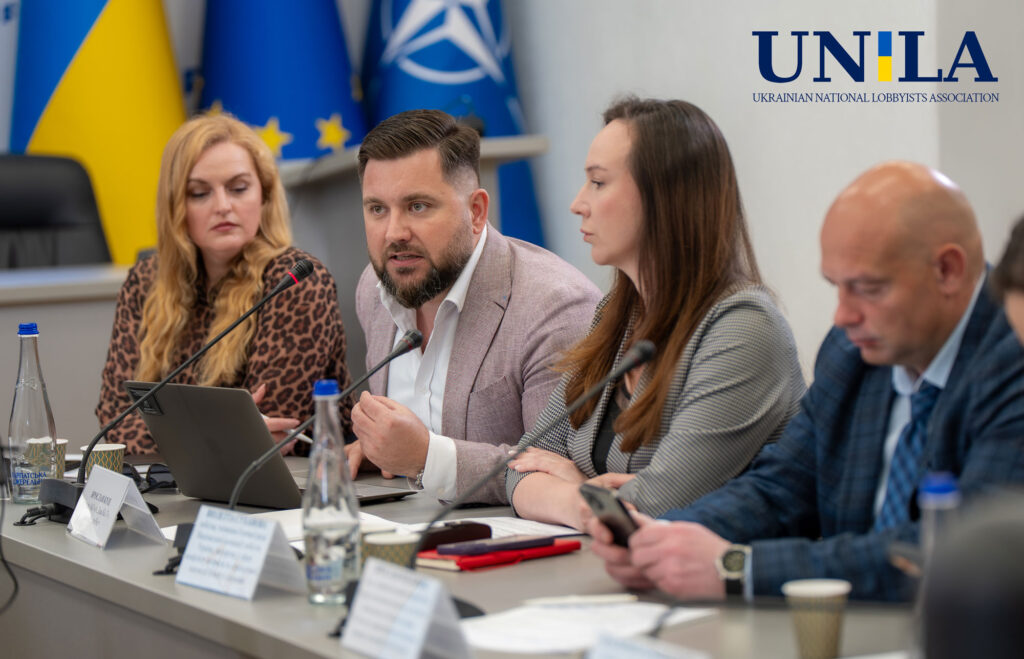
Yaroslav Kuts cited the following as key issues: the narrow definition of lobbying; the lack of clear criteria for distinguishing between lobbying, advocacy, and the exercise of citizens’ right to petition; and the imposition of identical obligations on both parliament and small local communities.
“Local self-government has technically fallen under the lobbying regime, but in reality it operates according to rules that are based on interpretation rather than the law. The legislature’s task is to incorporate these rules directly into the text of the law,” noted Yaroslav Kuts.
The expert also proposed incorporating specific provisions regarding local self-government bodies into the Law “On Lobbying.”
It is necessary to clearly distinguish between lobbying, media activities, and advocacy
Bohdan Horban, attorney and secretary of the Lobbying Committee of the National Bar Association of Ukraine, delivered a presentation titled “Distinguishing Lobbying from PR, Media, and Legal Practice; The Boundaries of Lobbying—Gaps in the NACP’s Explanations,” was delivered by Bohdan Horban, an attorney and secretary of the Committee on Lobbying of the National Bar Association of Ukraine.
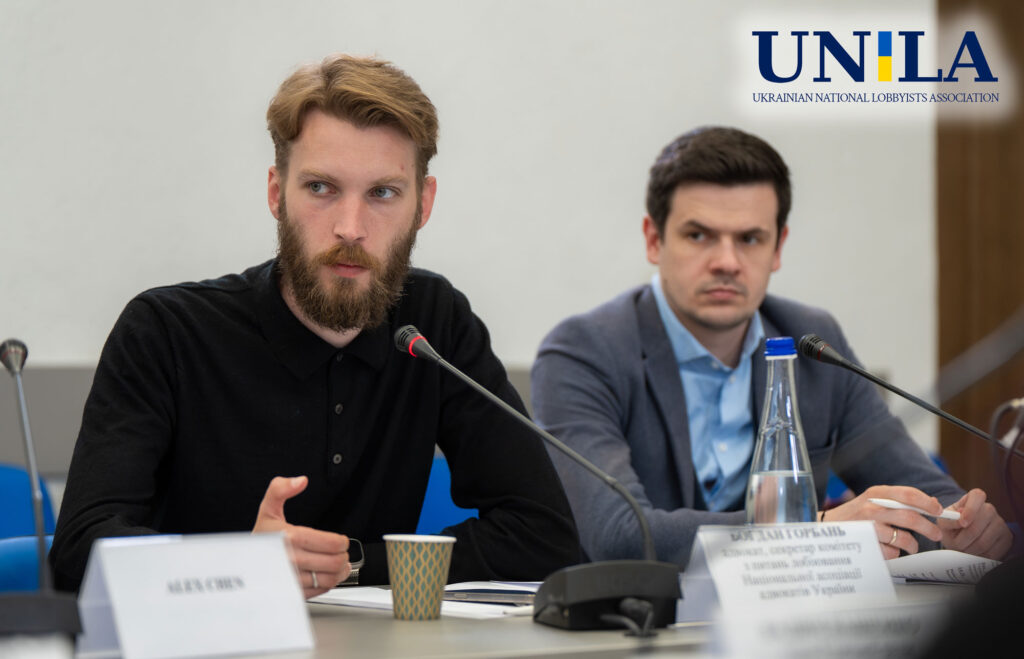
He emphasized that certain provisions of the NACP’s guidelines do not take into account the actual practices of lobbying entities and create risks of ambiguous interpretations of the law.
“Further clarifications from the NACP should be prepared with the involvement of the professional lobbying community. Without practitioners, it is impossible to develop high-quality and viable approaches to law enforcement,” emphasized Bohdan Horban.
According to him, the role of the media as a tool for influencing the formation of public policy requires separate regulation, as does the issue of distinguishing between the activities of attorneys and lobbyists. In addition, the expert expressed concern that certain provisions of the NACP’s guidelines could create the risk of classifying public appeals on social media as lobbying, given the lack of sufficiently clear criteria for such a distinction.
The anti-corruption infrastructure should view lobbying as a tool for preventing corruption
Yana Tsymbalenko, a member of the UNLA Board of Trustees and the association’s anti-corruption officer, emphasized that the institution of lobbying is an integral part of the state’s modern anti-corruption infrastructure.
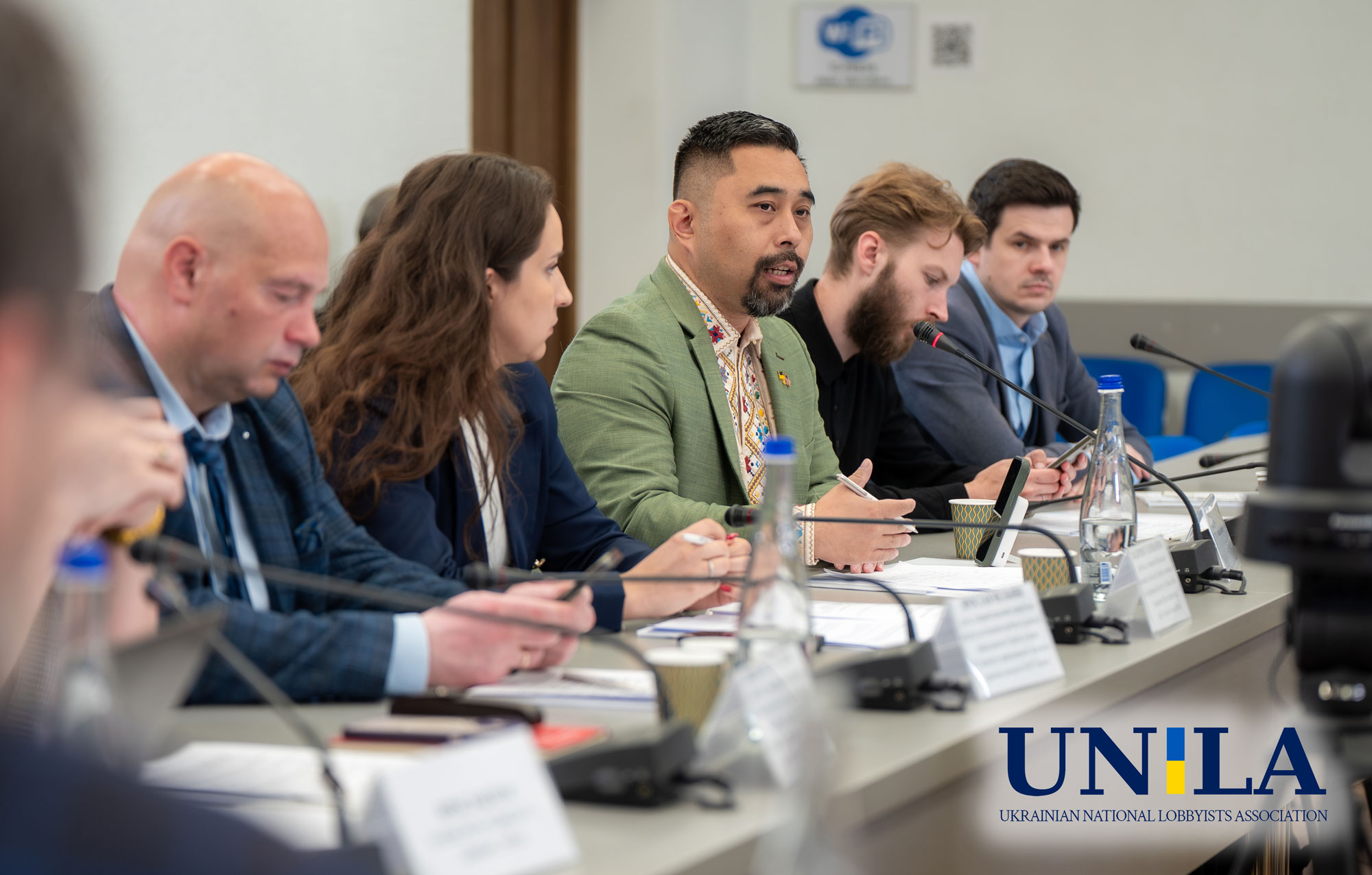
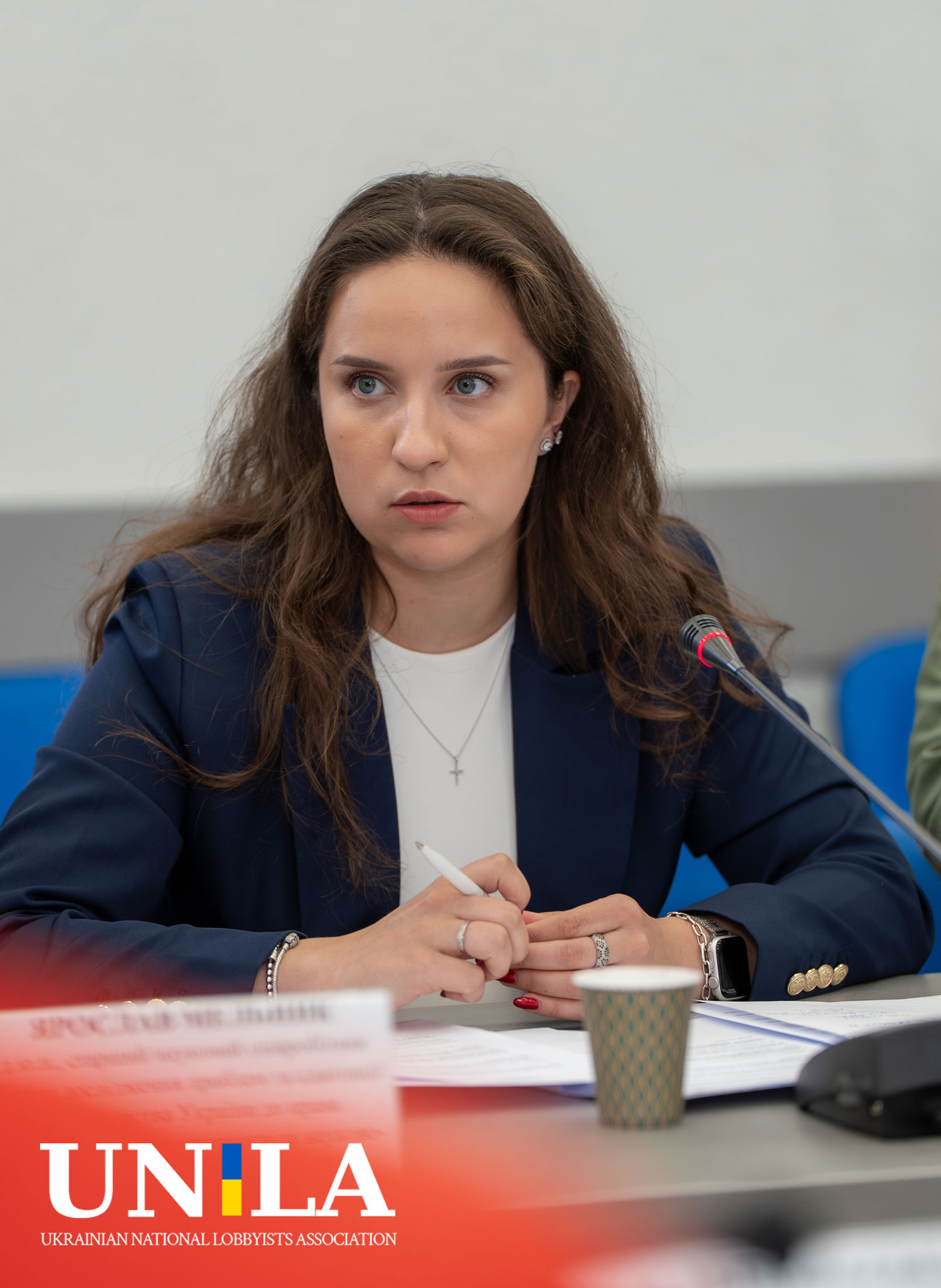
“Lobbyists are part of the infrastructure for preventing corruption. Lobbying helps prevent large-scale political corruption. Together with anti-corruption commissioners, compliance officers, and integrity officers, we are building a system designed to ensure transparency in government decision-making,” said Yana Tsymbalenko.
She emphasized that the NACP and the professional lobbying community should work as partners, not as opponents.
“The National Agency for Corruption Prevention consists of our colleagues who help implement the state’s anti-corruption policy. We must work together to develop the new profession of lobbyist and establish a new institution for lobbying in Ukraine,” said Yana Tsymbalenko.
The media cannot be viewed solely as an element of cultural policy
Olha Susska, a member of the UNLA Board of Trustees, Doctor of Sociology, and professor, pointed out a number of conceptual shortcomings in the approaches to defining the scope of lobbying and the role of the media in society.
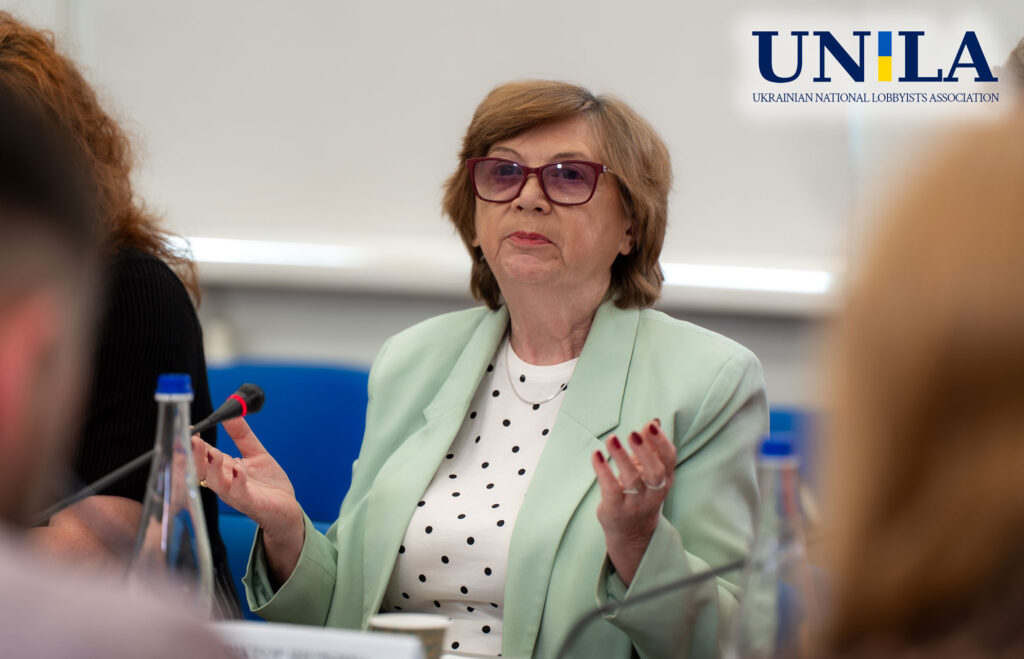
According to her, the media is an independent social institution that fulfills a strategic informational function, especially during wartime.
“The media is not merely an element of humanitarian or cultural policy. Today, the informational function is a strategic function of both the media and the state. It is through the media that public opinion is formed regarding the activities of government bodies, parliamentary committees, and state policy in general,” emphasized Olha Susska.
She also noted that the media serve as a communication tool for all social actors and therefore require a more comprehensive approach when drafting regulatory documents.
Results
The participants in the discussion concluded that the further development of the lobbying system in Ukraine requires not only the practical implementation of the Law of Ukraine “On Lobbying,” but also the refinement of certain legislative provisions, the development of uniform approaches to the taxation of lobbyists’ activities, and closer cooperation between the National Agency for Corruption Prevention, the professional community, and government authorities.
The Law of Ukraine “On Lobbying” was adopted by the Verkhovna Rada of Ukraine as one of the steps toward fulfilling Ukraine’s European integration commitments and ensuring transparency in the representation of interests in the sphere of public administration.