Who Represents the Interests of Ukrainian Churches in Parliament: Oleksiy Shevchuk Calls for an Open Discussion
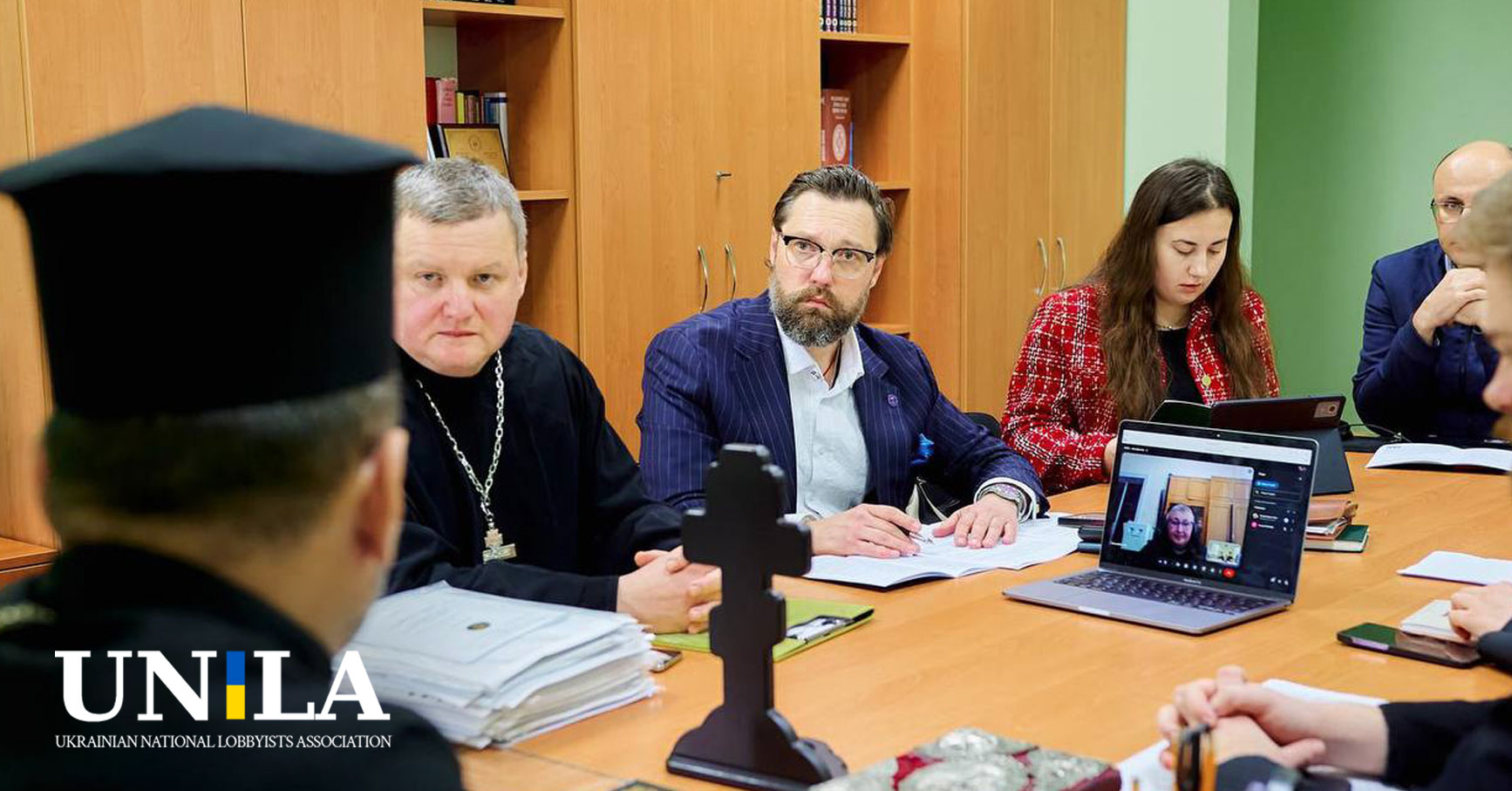
The issue of parliamentary representation of the interests of Ukraine’s religious communities and the possibilities for professional lobbying in the legislative process became the subject of a public discussion involving the Orthodox Church of Ukraine and the Ukrainian National Lobbyists Association. The initiative for the discussion was raised by Oleksiy Shevchuk, chairman of the UNLA board.
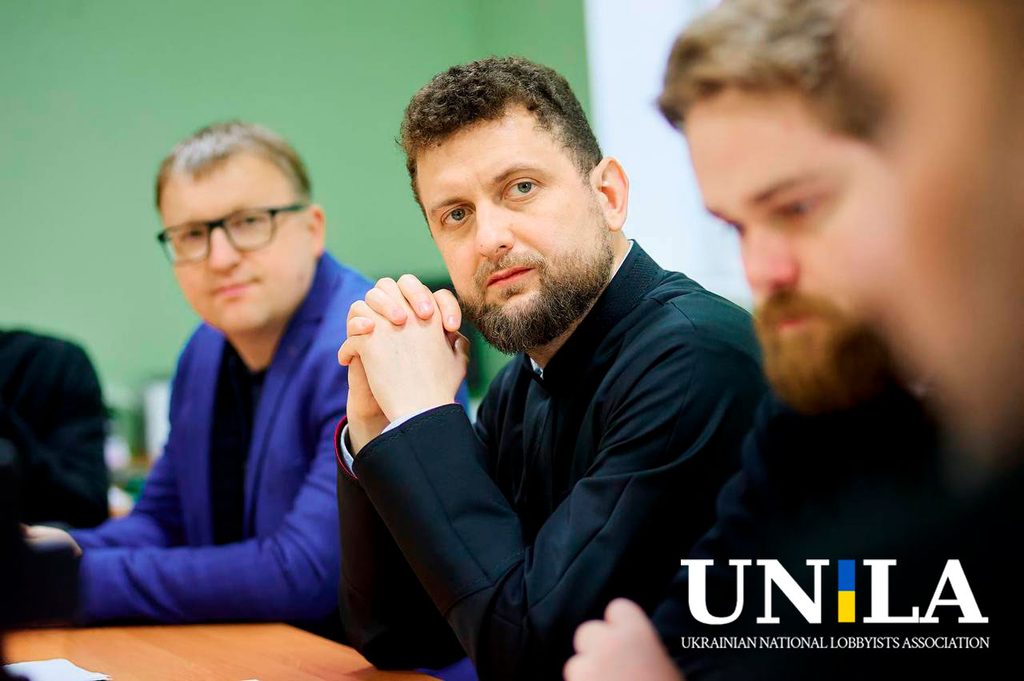
The focus is on the extent to which the interests of Ukrainian religious denominations are effectively represented in the Verkhovna Rada and whether there are sufficient mechanisms for systematic interaction between religious organizations and the legislative branch.
As Oleksiy Shevchuk emphasized, Ukraine is a secular state; however, the principle of separation of church and state should not mean a lack of dialogue between religious communities and parliament.
This refers to the representation of the interests of the Orthodox Church of Ukraine, the Ukrainian Greek Catholic Church, the Roman Catholic Church in Ukraine, and Protestant communities on an equal footing, in accordance with the constitutional guarantees of freedom of conscience and the equality of religious organizations.
What issues require legislative attention?
Religious communities face a wide range of issues that require appropriate legal regulation and cooperation with government authorities.
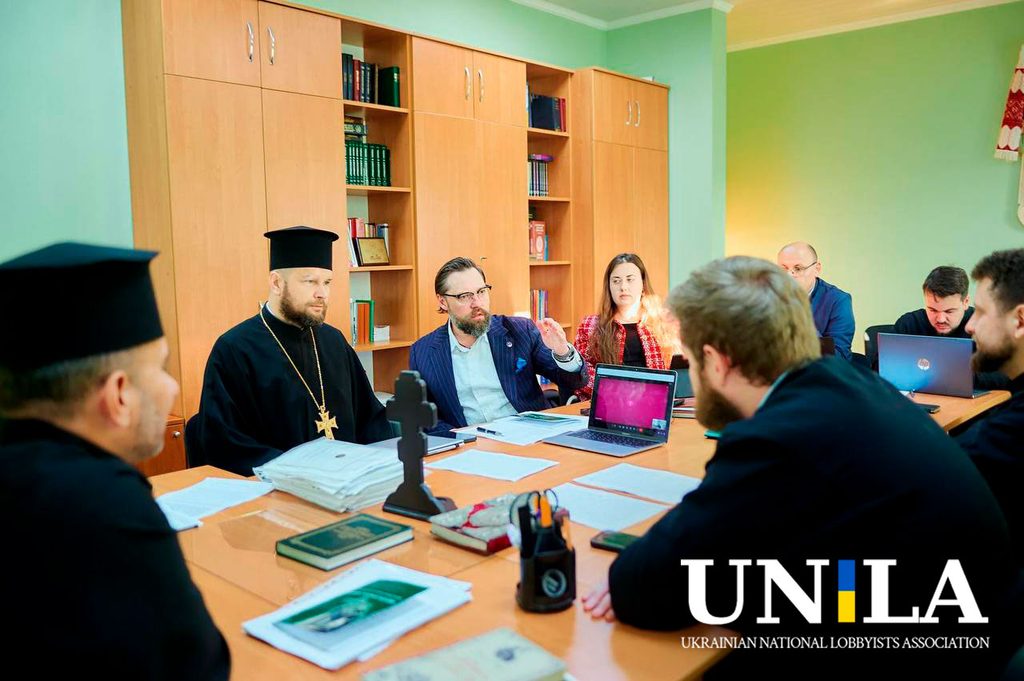
Among the key areas that Oleksiy Shevchuk highlighted were:
- Tax Policy. Taxation of church property, monastic estates, charitable activities, and small-scale production operations operated by religious communities, as well as issues related to local taxes.
- Education. The development of the study of religion, the teaching of spiritual ethics, the study of the history of religions, and the development of educational programs that respect freedom of conscience.
- Monastic Farms. Creating conditions for the development of traditional agriculture, local production, crafts, environmental initiatives, and the activities of monastic brotherhoods and sisterhoods.
- Church Publishing. Support for religious publishing houses, printing houses, and educational and cultural projects.
- Property and Community Development. Legal protection of church property, land use issues, restoration of churches, and preservation of cultural heritage.
These areas go beyond the purely internal affairs of religious organizations and directly concern public policy, legislation, and the public interest.
The Role of Professional Lobbying in Representing Churches
Oleksiy Shevchuk paid particular attention to the mechanisms through which religious organizations interact with parliament.
Religious organizations do not have the right to introduce legislation, but they may submit proposals for improving legislation, participate in public consultations, and interact with members of parliament, parliamentary committees, and relevant civil society organizations.
In this context, the discussion regarding the role of professional representation and advocacy is important. Expert guidance helps to systematize the needs of religious communities, prepare well-reasoned proposals, and convey them to those involved in the legislative process.
At the same time, such mechanisms must be applied in accordance with current legislation. The Law of Ukraine “On Lobbying” No. 3606-IX, which took effect on September 1, 2025, establishes the legal framework for lobbying activities and requirements for their transparency. In particular, the legal definition of lobbying is tied to commercial interests; therefore, the legal nature of specific forms of advocacy by religious organizations must be assessed on a case-by-case basis.
An Open Discussion on Equal Representation of Religious Denominations
Oleksiy Shevchuk emphasizes that the purpose of the ongoing discussion is not for the church to interfere in government administration or to grant privileges to specific denominations.
The aim is to establish clear and equitable mechanisms for communication between religious communities and the legislative branch that are consistent with the Constitution of Ukraine, the principles of freedom of conscience, and the equality of all religious organizations before the law.
“The church is separate from the state, but its legitimate interests should not be separated from the legislative process,” said Oleksiy Shevchuk.
The Ukrainian National Lobbyists Association considers it important to foster a professional discussion on mechanisms for representing public interests, particularly those concerning religious organizations and their communities.
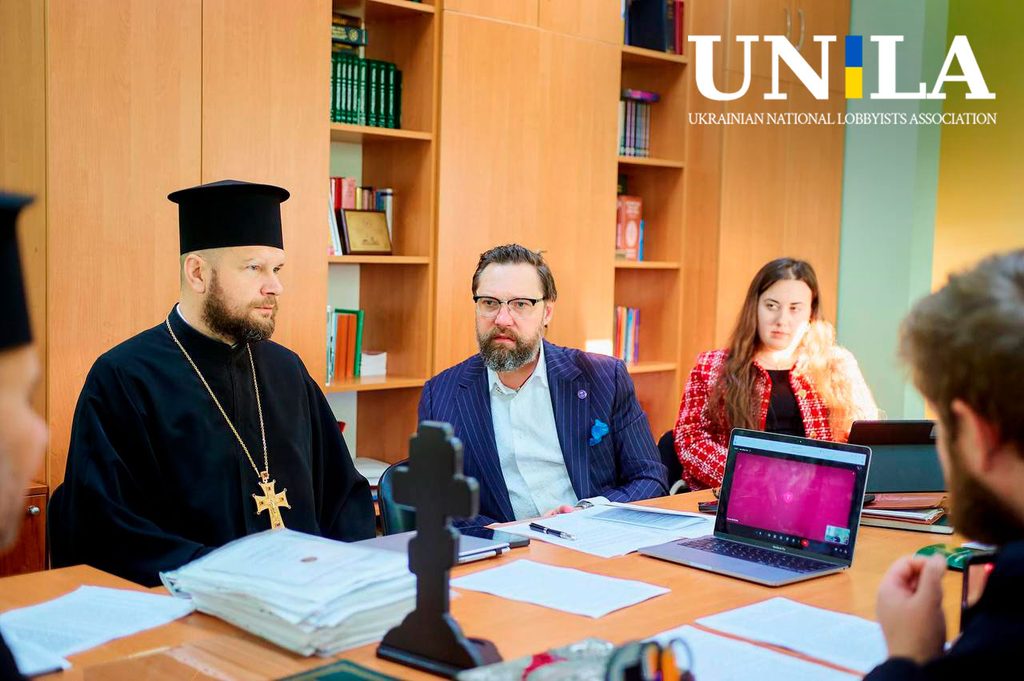
Representatives of all religious denominations, clergy, lawyers, members of parliament, experts, and the general public are invited to participate in the discussion.
Key discussion topics: Does the Verkhovna Rada need a separate mechanism for systematic engagement with religious communities? How effective are the existing parliamentary tools? And what role can professional advocates play in this process?