
The regional branch of the National Association of Lobbyists of Ukraine was presented in Vinnytsia
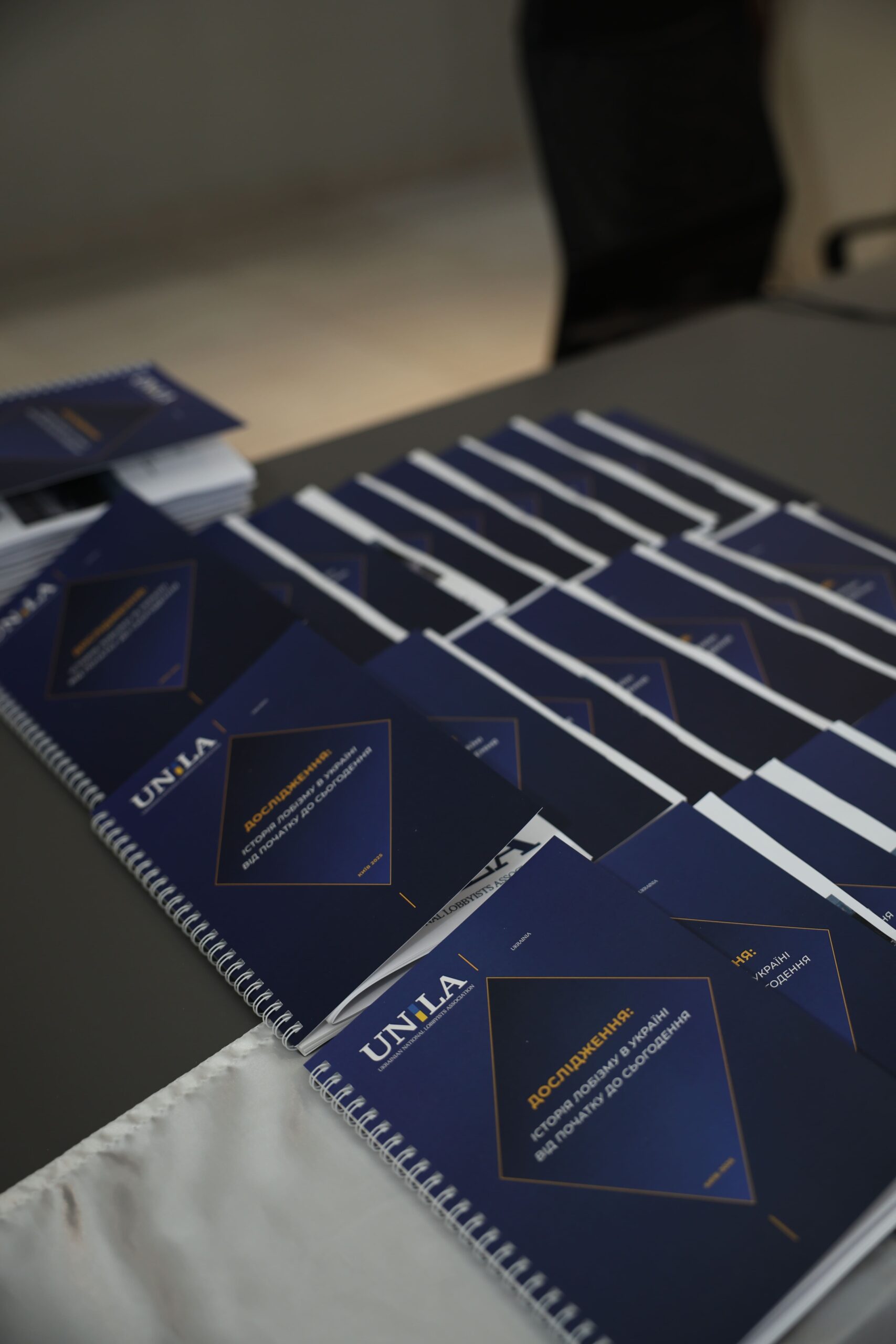
On May 15, Vinnytsia hosted an event that has all the reasons to become an important milestone in the development of a culture of transparent and ethical lobbying in Ukraine – the presentation of the Vinnytsia Regional Office of the Ukrainian National Lobbyists Association (UNLA). At a time when the state is going through a difficult stage of transformation and business is forced to adapt to the challenges of war and economic instability, the formation of civilized mechanisms of interaction between the government, business and society is of particular importance.
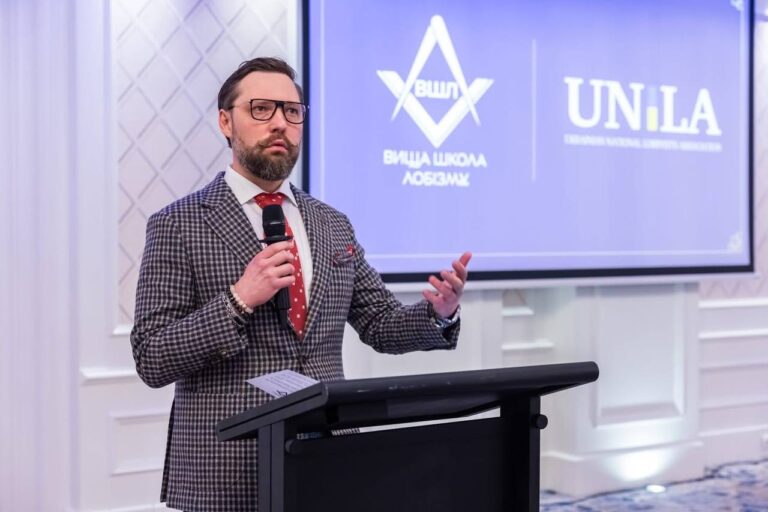
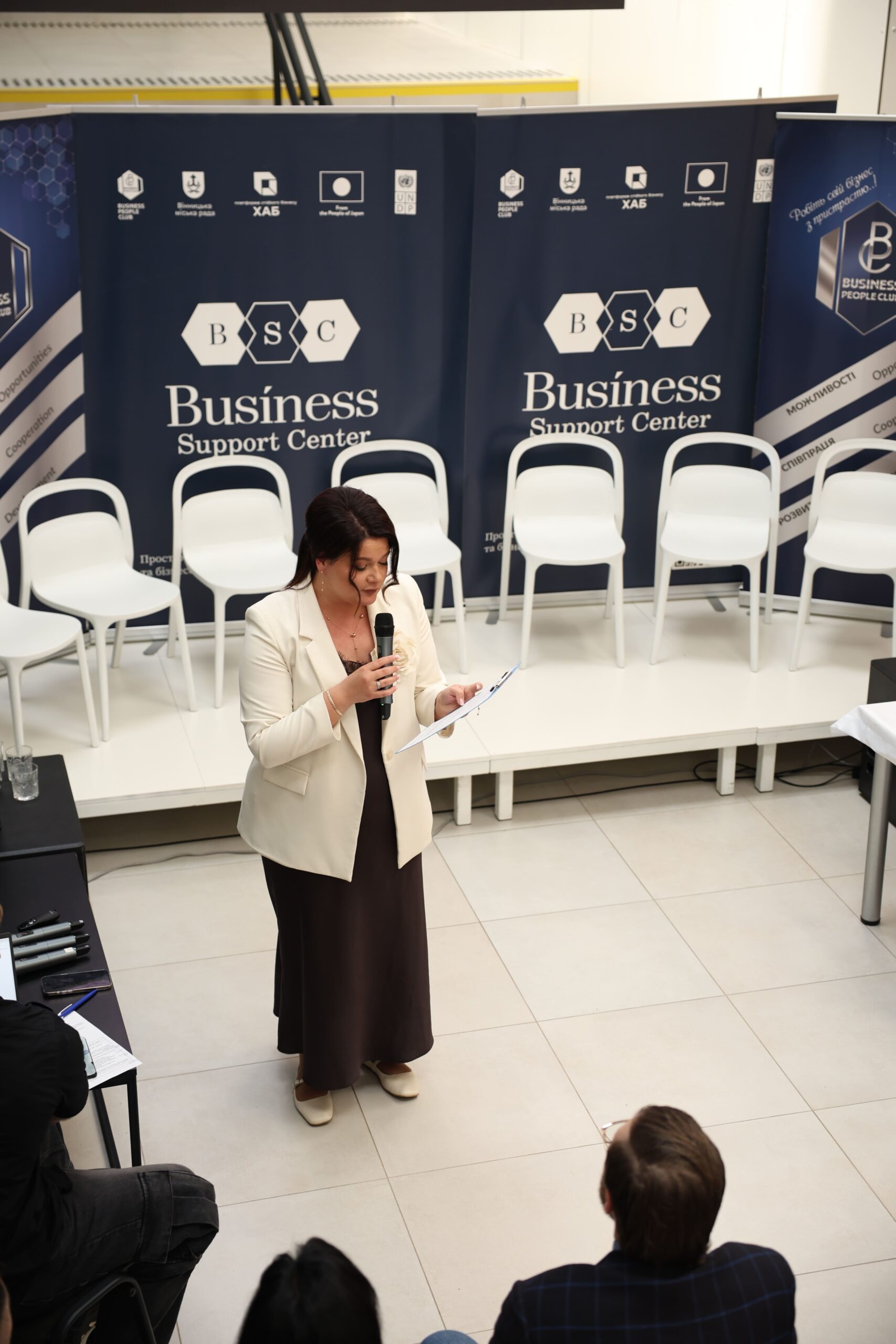
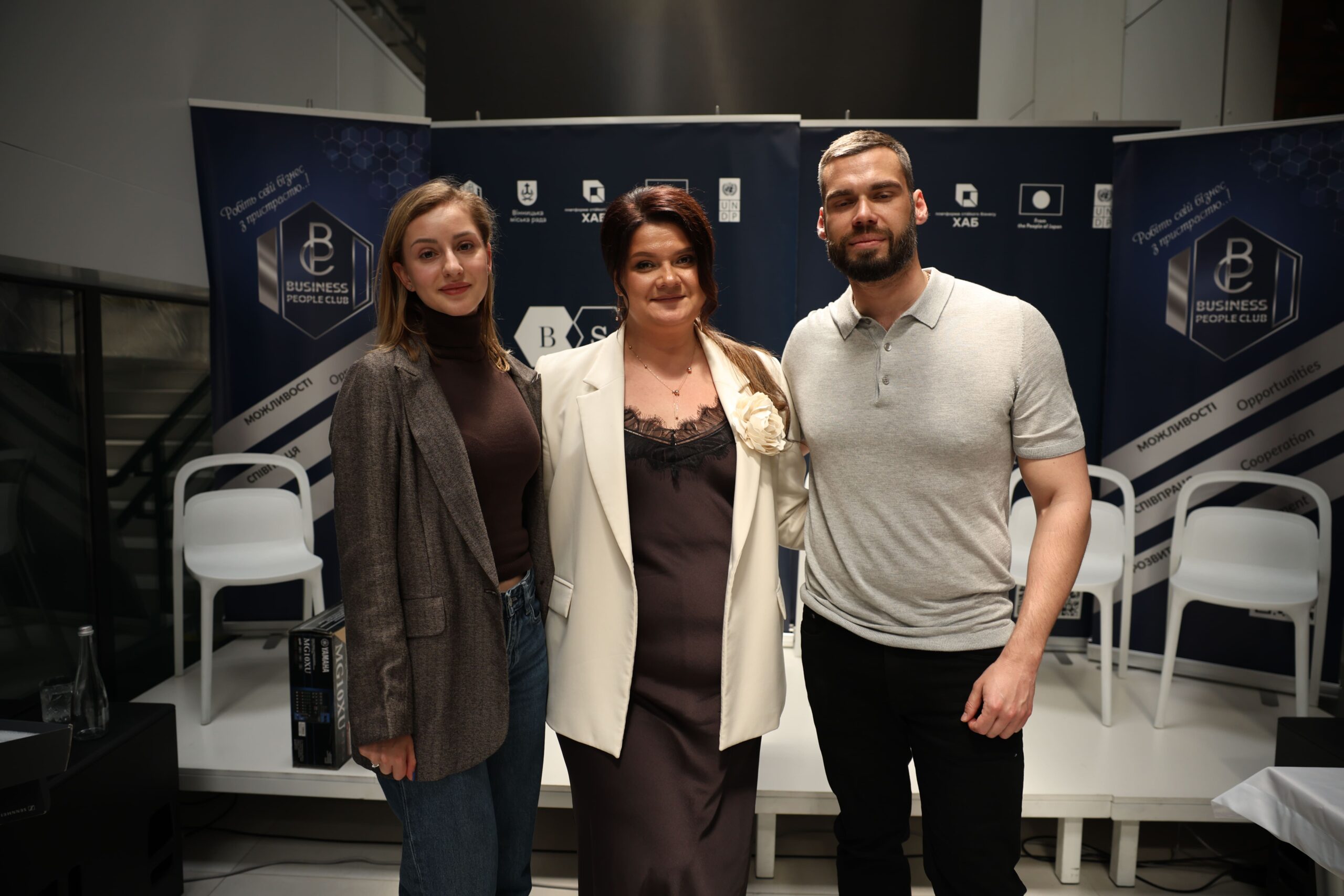
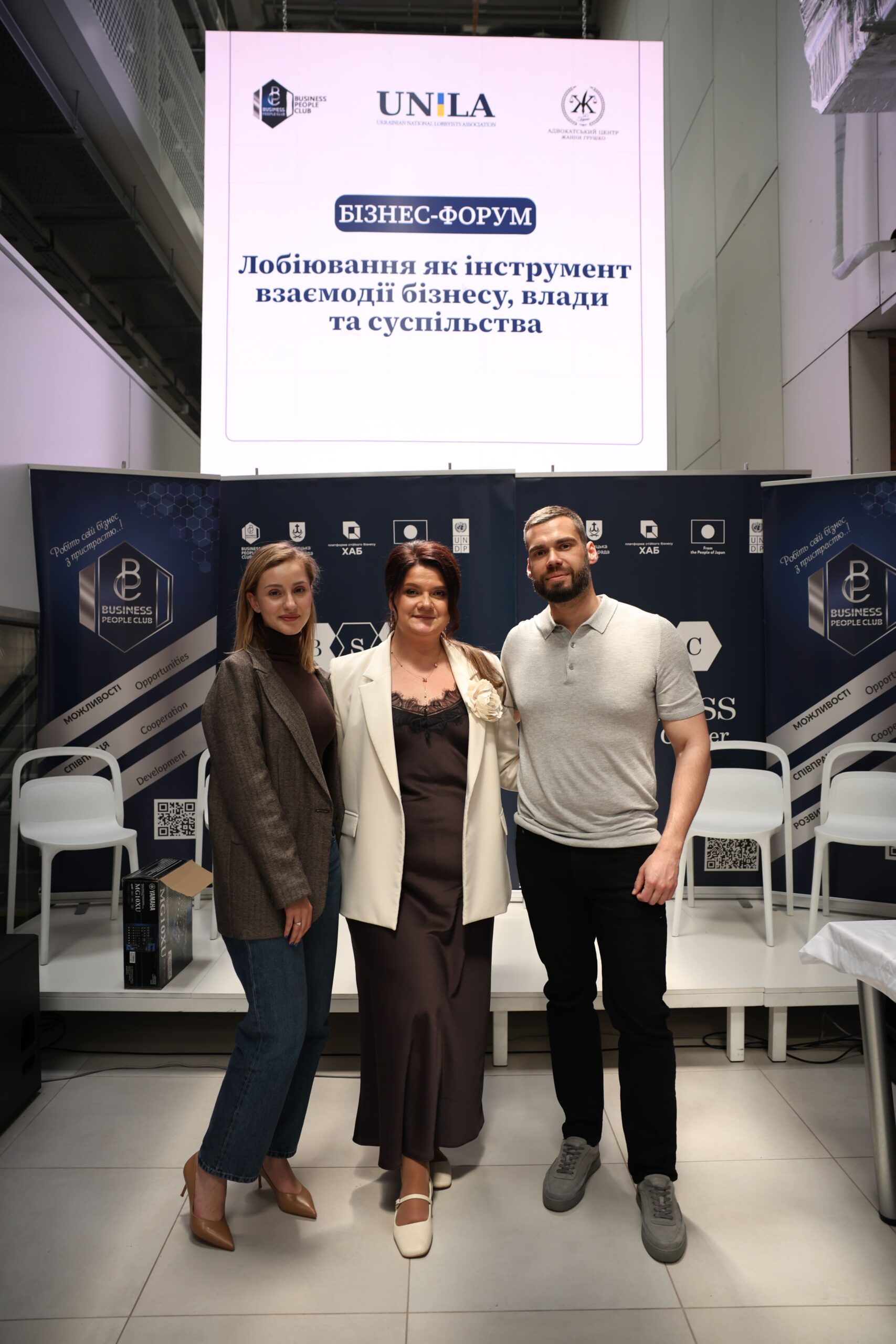
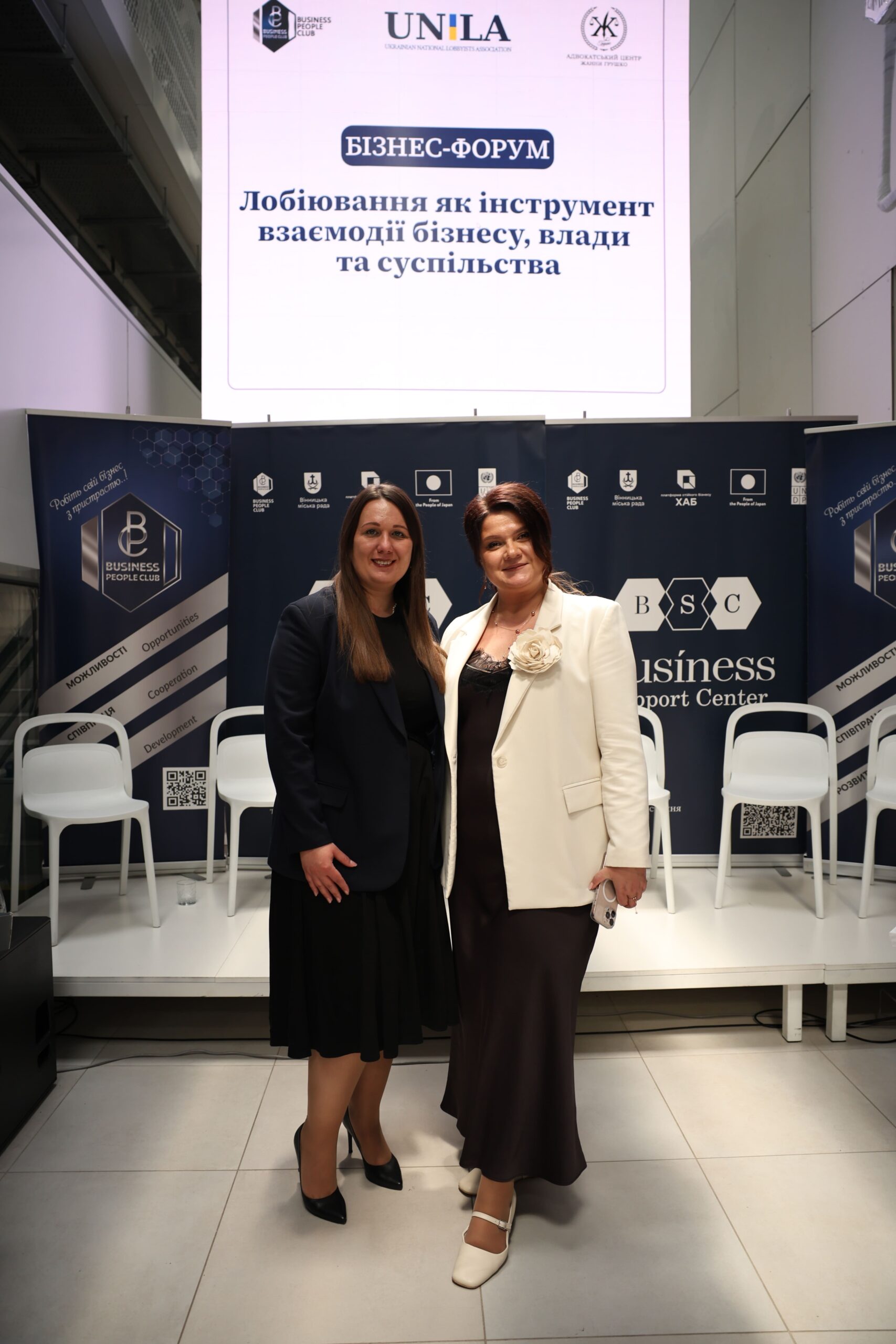
The regional office was headed by Zhanna Grushko, attorney at law, PhD in Law, member of the UNLA Board, a specialist who combines deep legal expertise with an understanding of the practical needs of business. The event itself became a platform for an open dialogue between representatives of government, business community, international organizations and the expert community around the key topic: “Lobbying as a tool for interaction between business, government and society”.
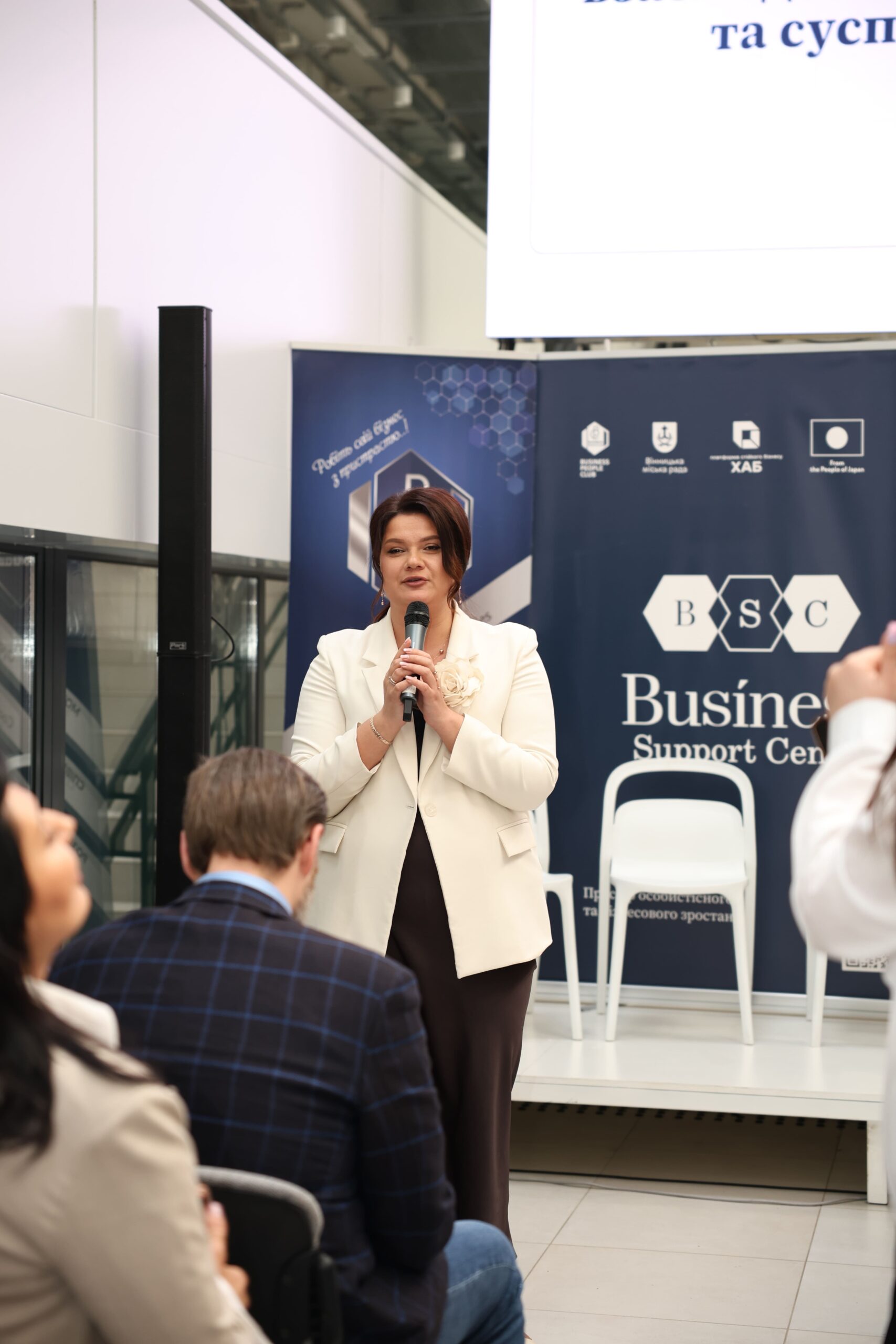
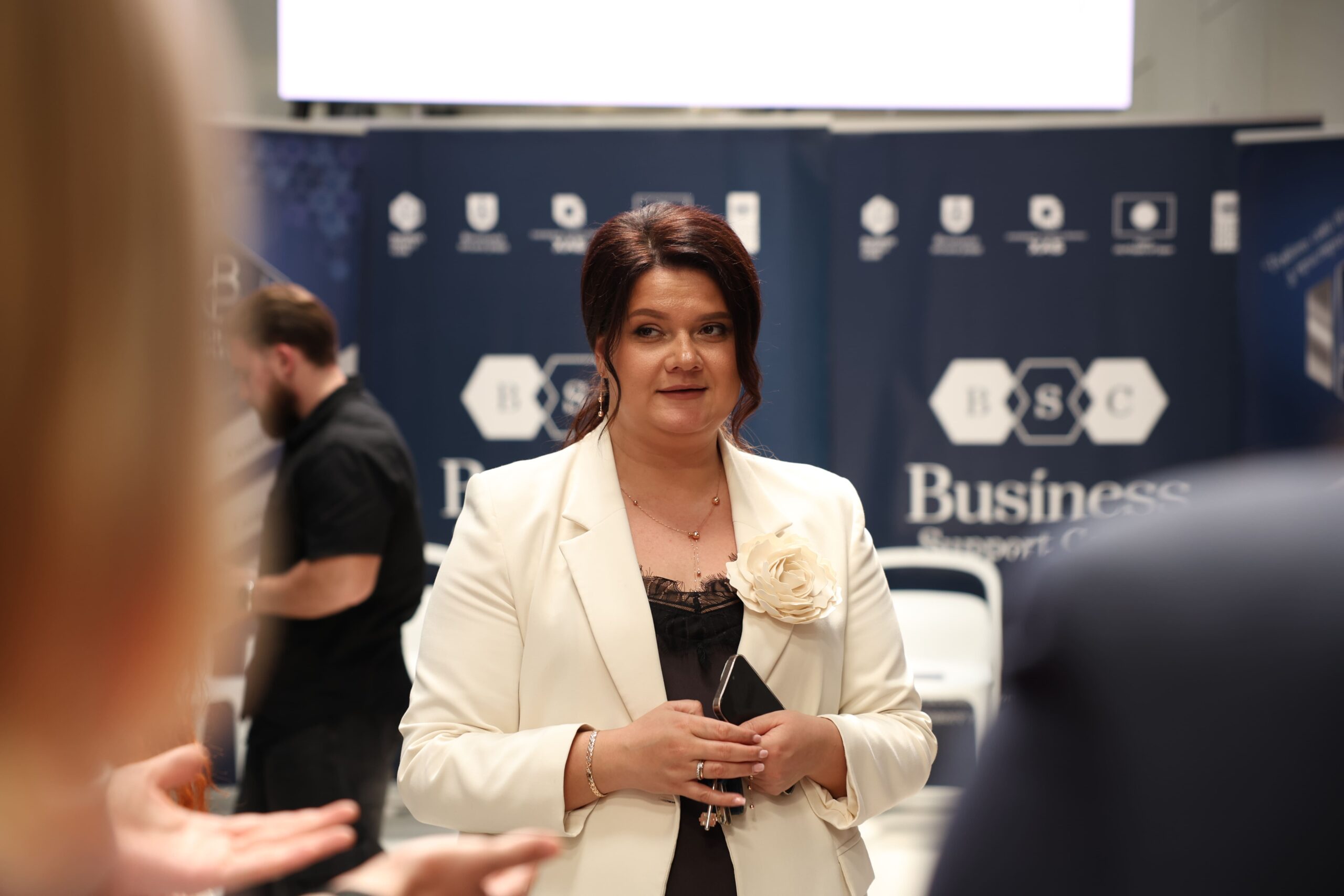
In her speech, Zhanna Grushko emphasized the fundamental importance of the Law of Ukraine “On Lobbying”, which opens a new page in the relations between the private sector and the state. It is not just about legalizing a certain type of activity, but about introducing clear, transparent and accountable rules of the game. She emphasized that lobbying in the modern democratic sense is not a backroom influence or shadowy agreements, but an institutionalized process of representation of interests that allows businesses to formulate their needs in the language of law and politics and turn them into high-quality legislative initiatives.
The event was centered around a panel discussion, during which Oleksiy Shevchuk, the UNLA Chairman, outlined the strategic dimension of lobbying in Ukraine. He emphasized that the formation of the lobbyist profession is not a matter of image, but a matter of the quality of public administration. According to him, an effective lobbyist is not an intermediary, but a highly qualified specialist with comprehensive knowledge of law, public policy and the legislative process. This approach helps to avoid amateurism and ensure consistency in representing interests.
Particular attention was paid to the practical results of the association’s activities since its establishment in September 2025. The presented cases demonstrated that institutionalized lobbying is already able to influence decision-making, contributing to their greater balance and consideration of the interests of different groups.
The participation of government officials in the discussion was an important signal. Ihor Tsekhanovskyi, Director of the Department of International Cooperation and Regional Development at Vinnytsia Regional State Administration, emphasized that lobbying is an integral part of modern public policy. He believes that transparent mechanisms of influence on decision-making can minimize corruption risks and increase trust in government institutions.
The voice of the business community sounded no less convincing. Nadiia Pidsudok emphasized that Ukrainian business, despite the war, demonstrates a willingness not only to survive but also to actively participate in shaping public policy. The issue of equal access to decision-making processes for small and medium-sized businesses, which traditionally have fewer tools of influence than large corporations, is of particular relevance.
In this context, Maksym Boroda, representative of the United Nations Development Program in Ukraine, drew attention to the need to consolidate small and medium-sized businesses. According to him, it is the unification of efforts that creates the preconditions for systemic changes and allows for the formation of a coordinated position that can be heard at the state level.
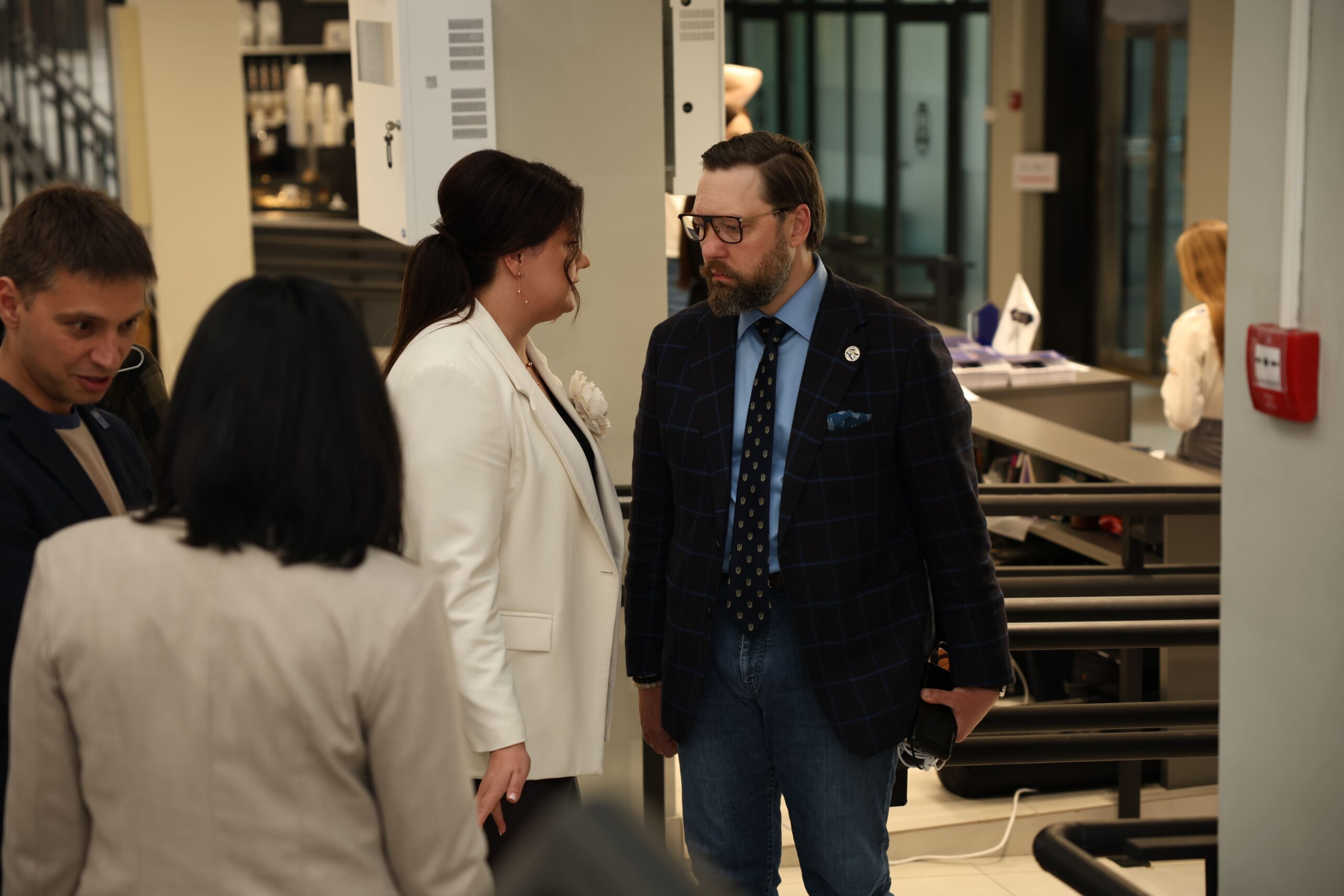

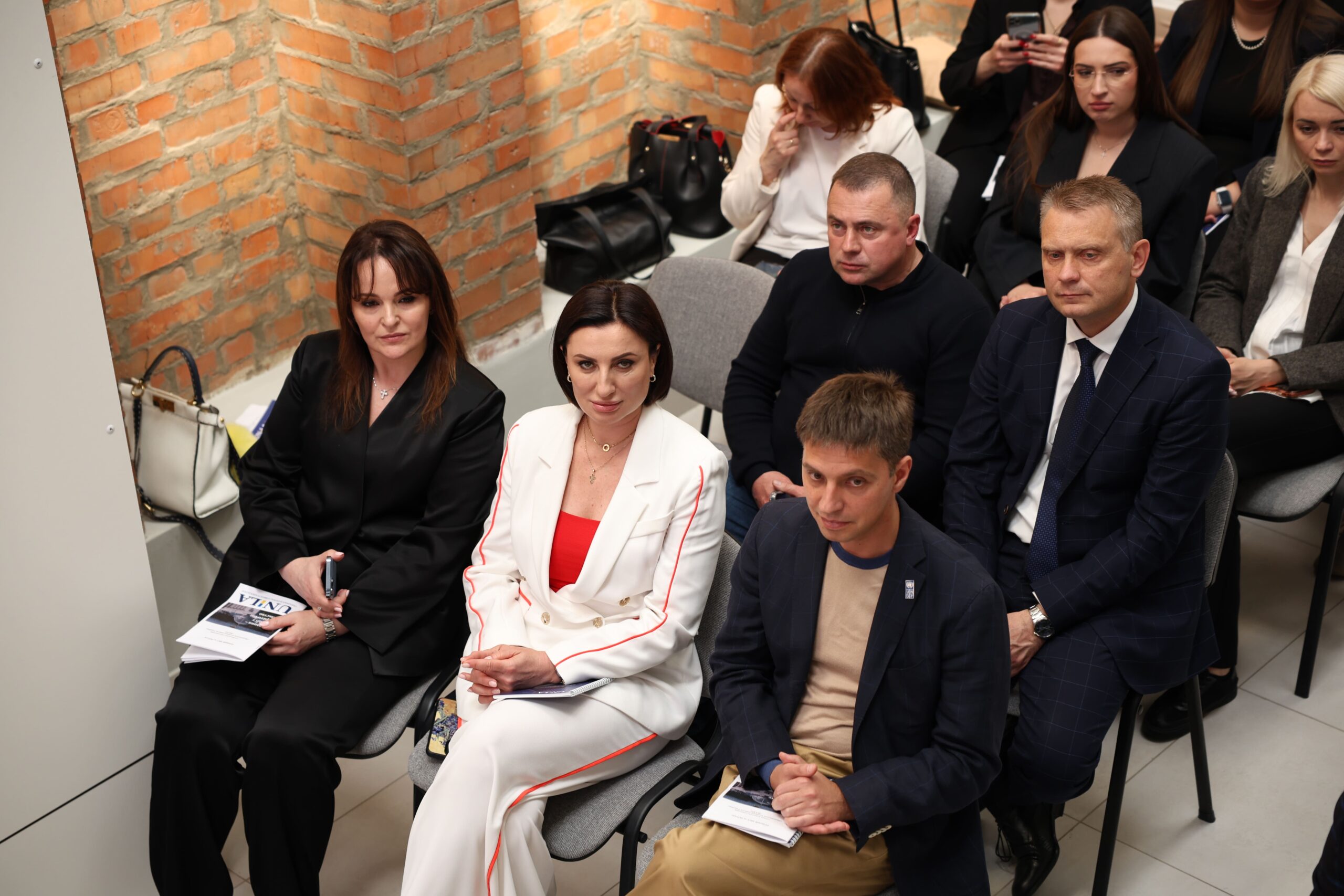

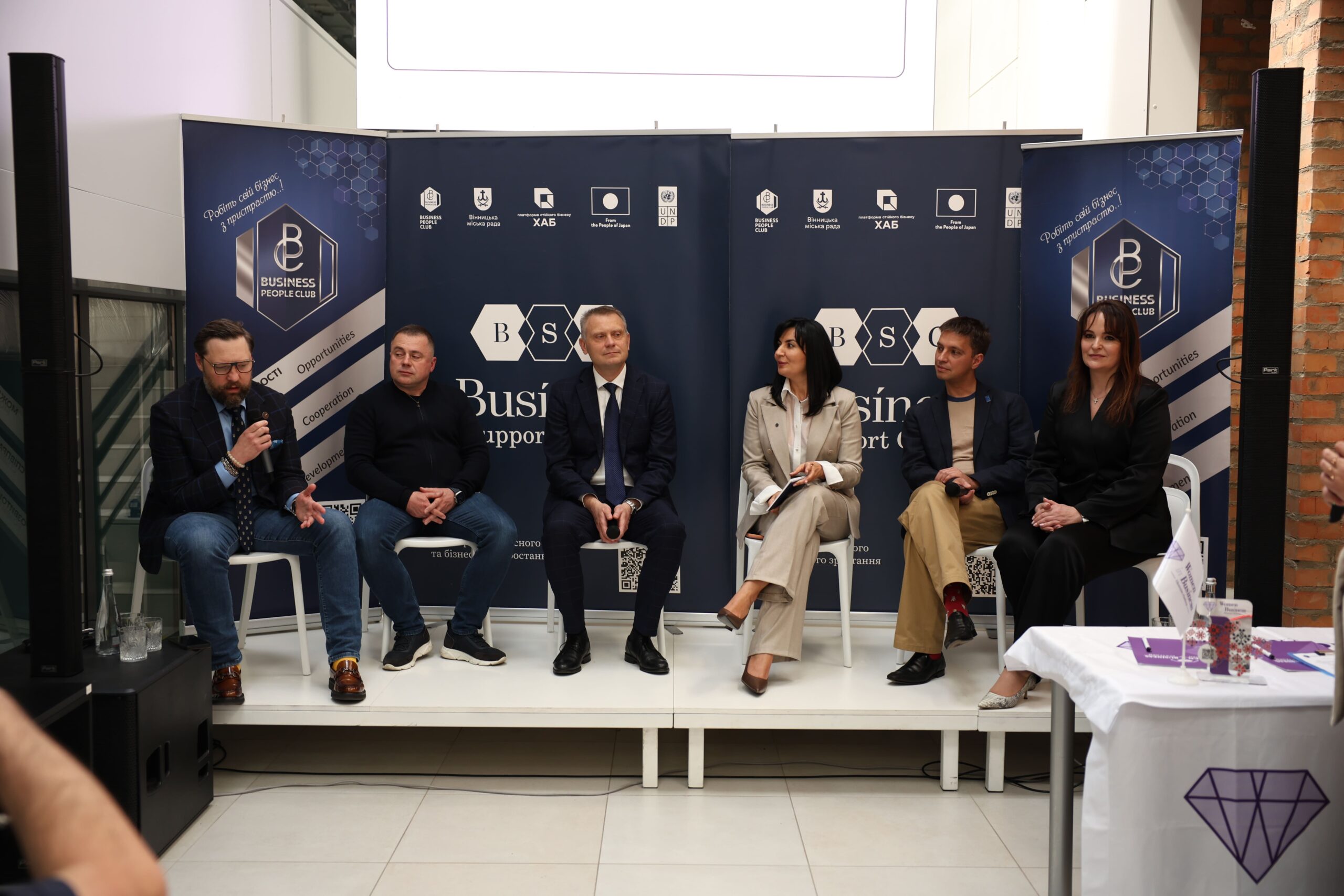
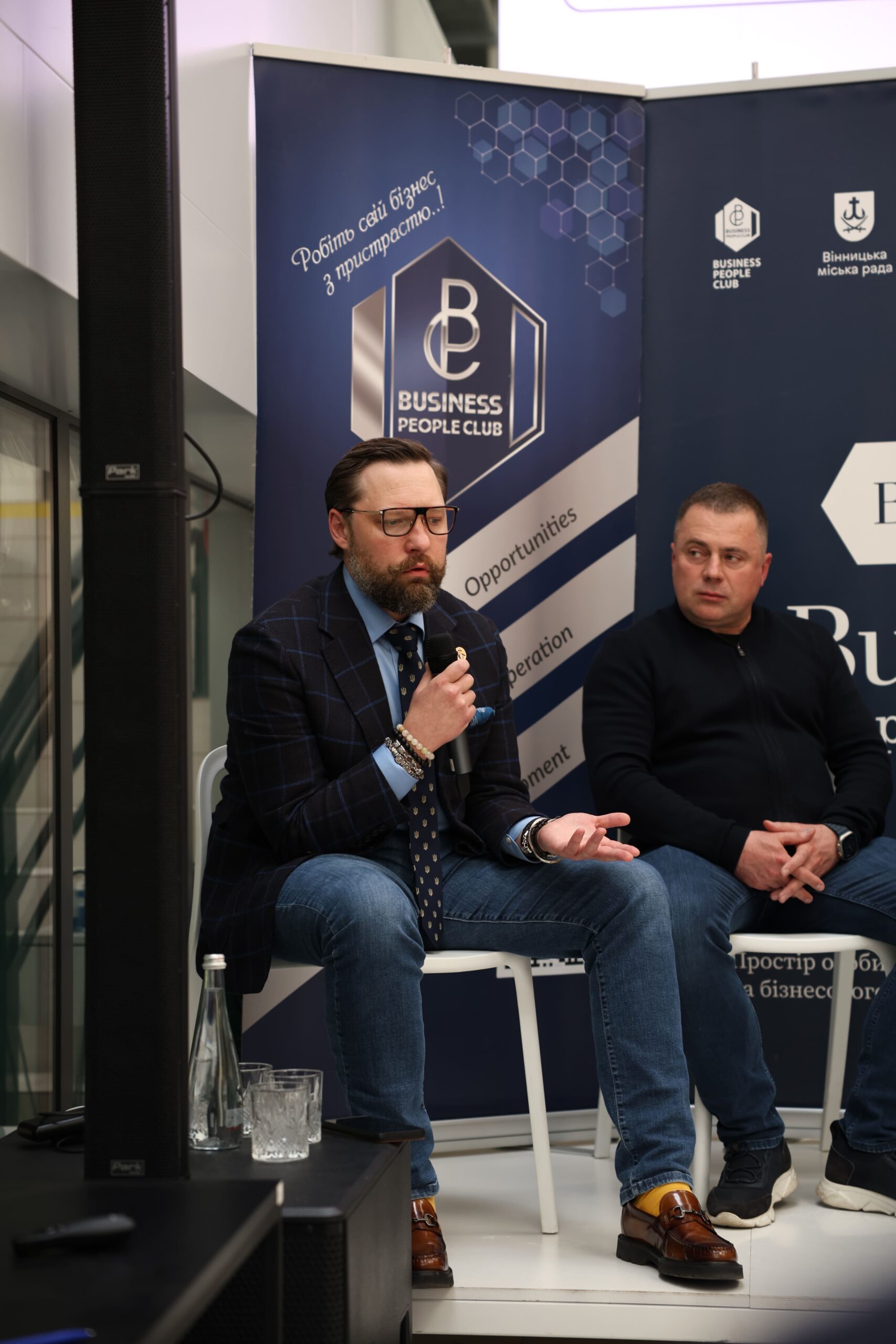
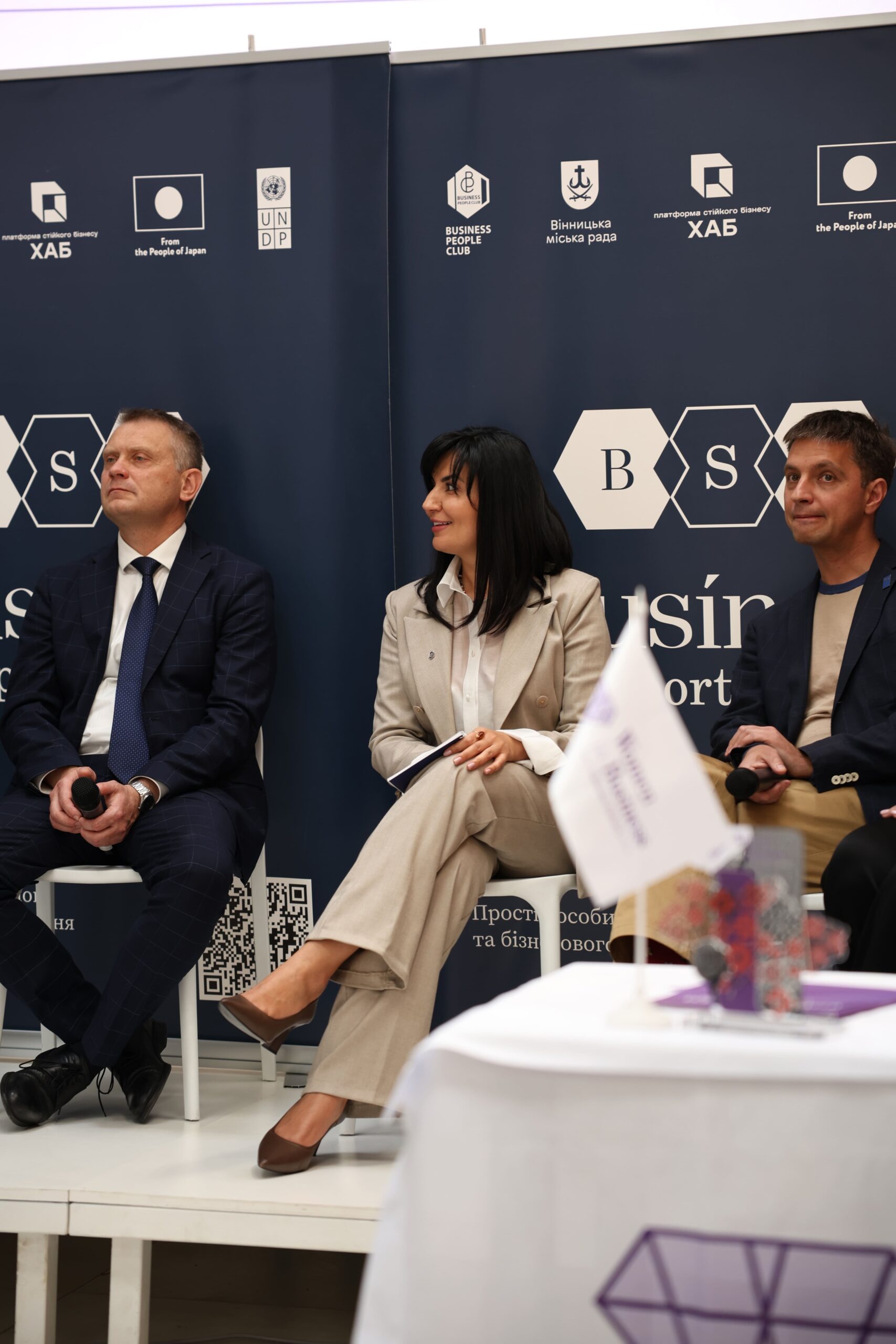
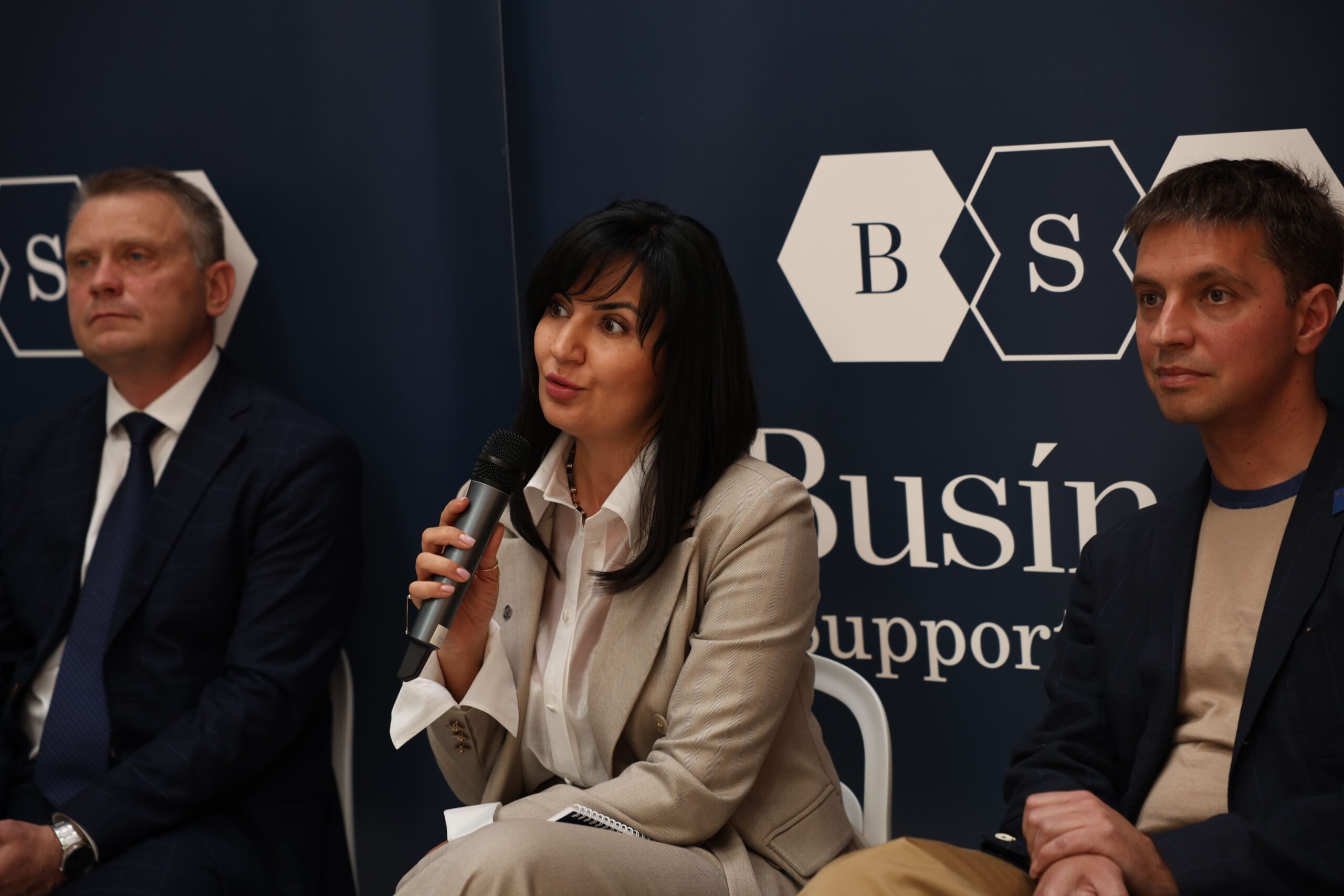
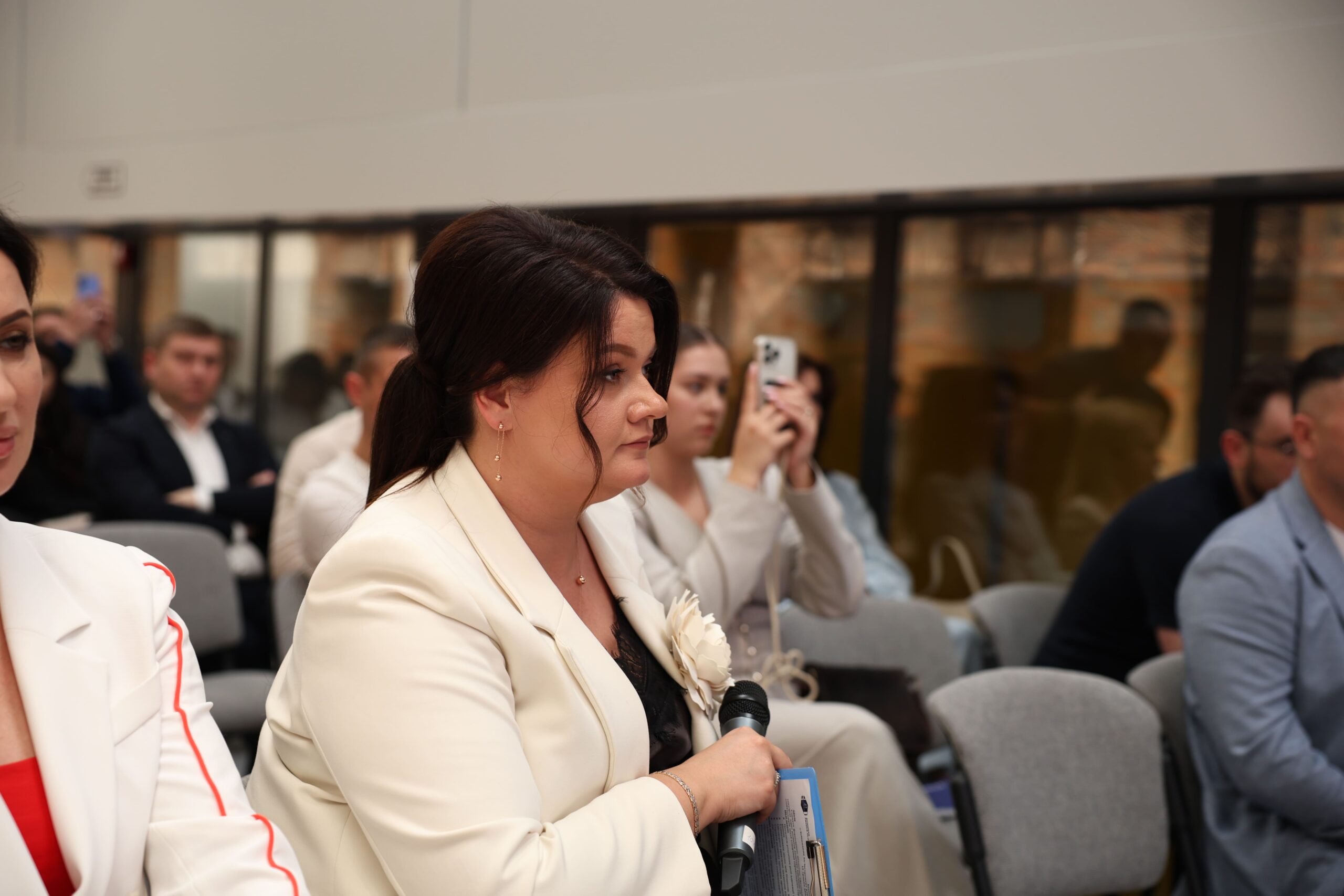
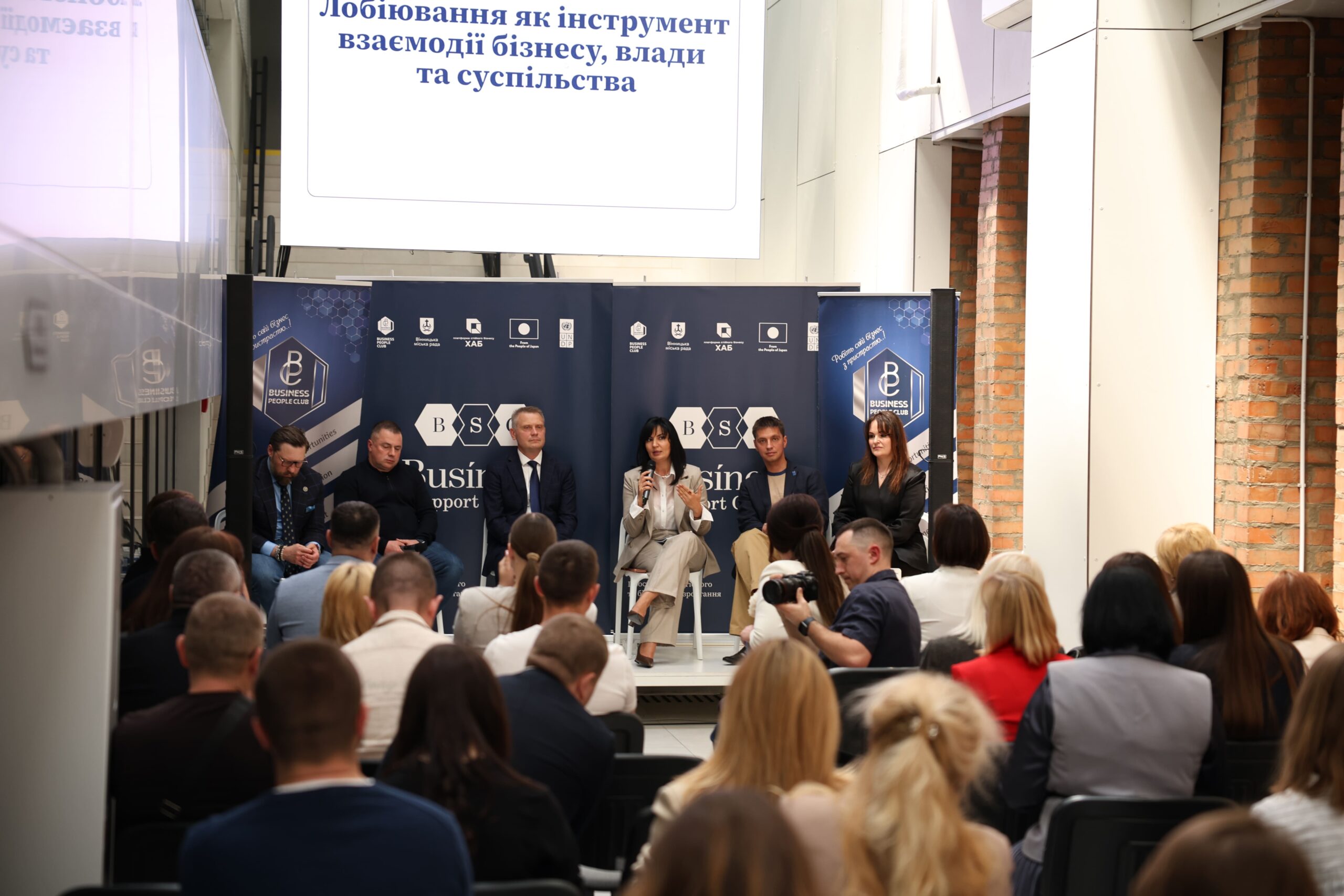

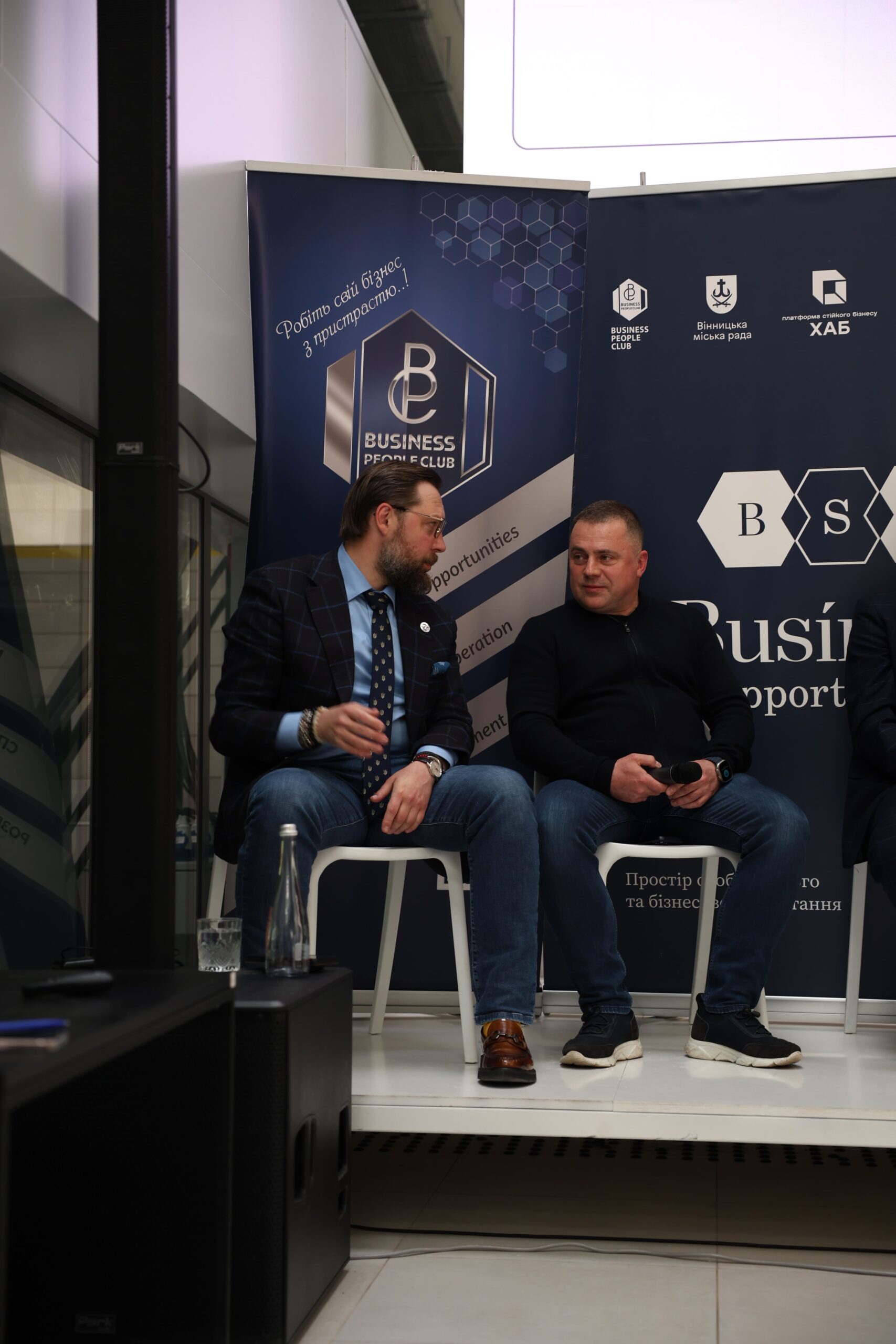
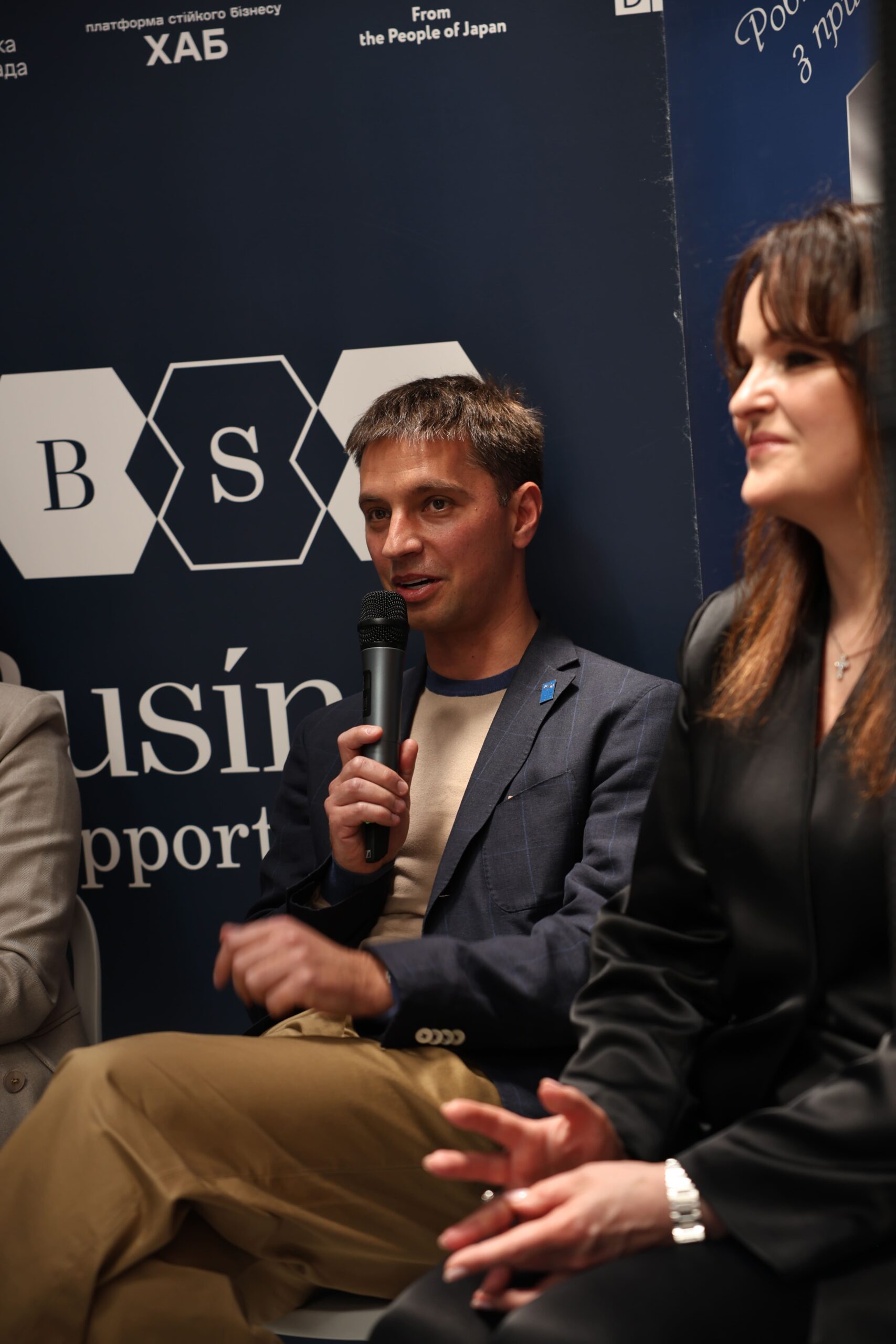
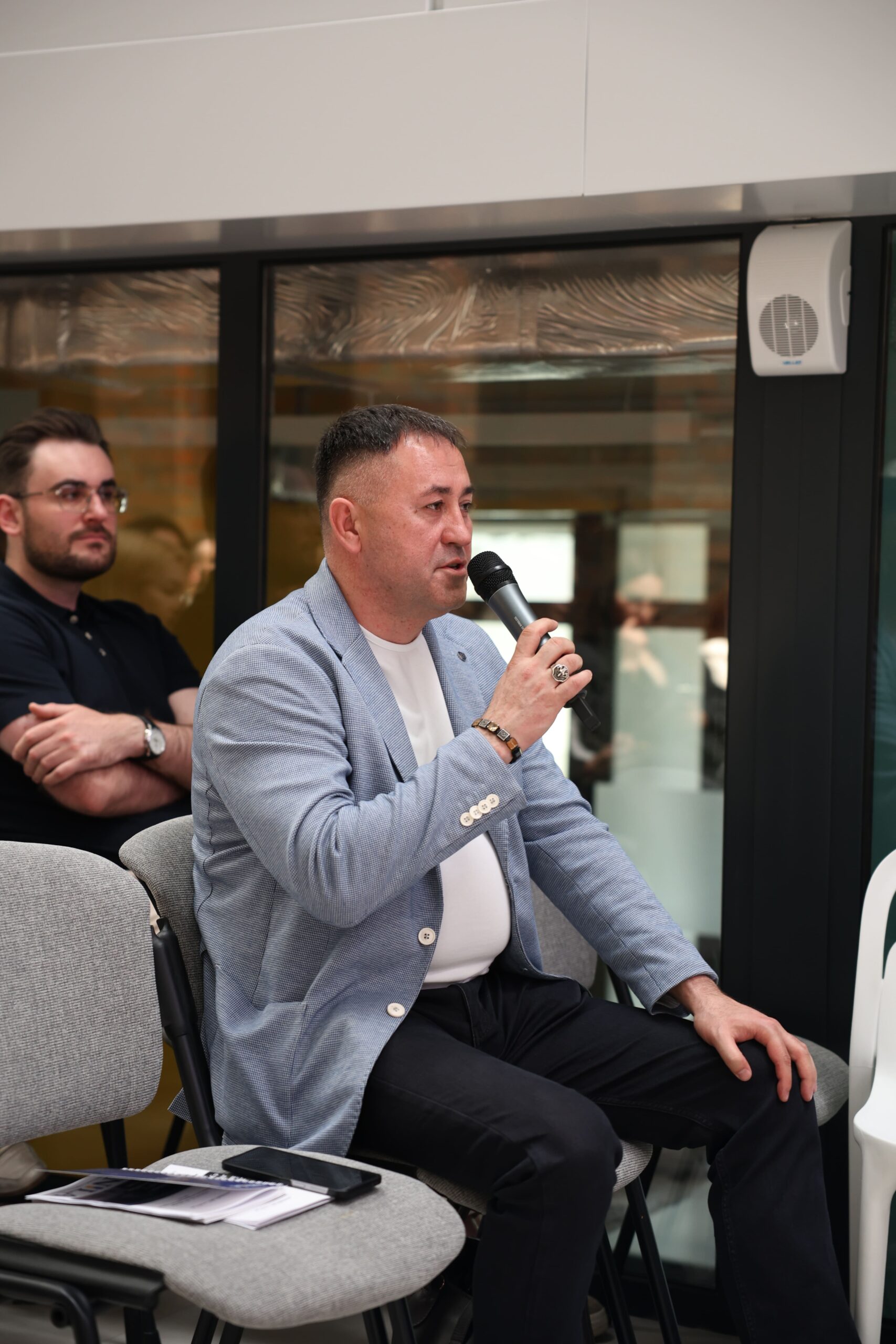
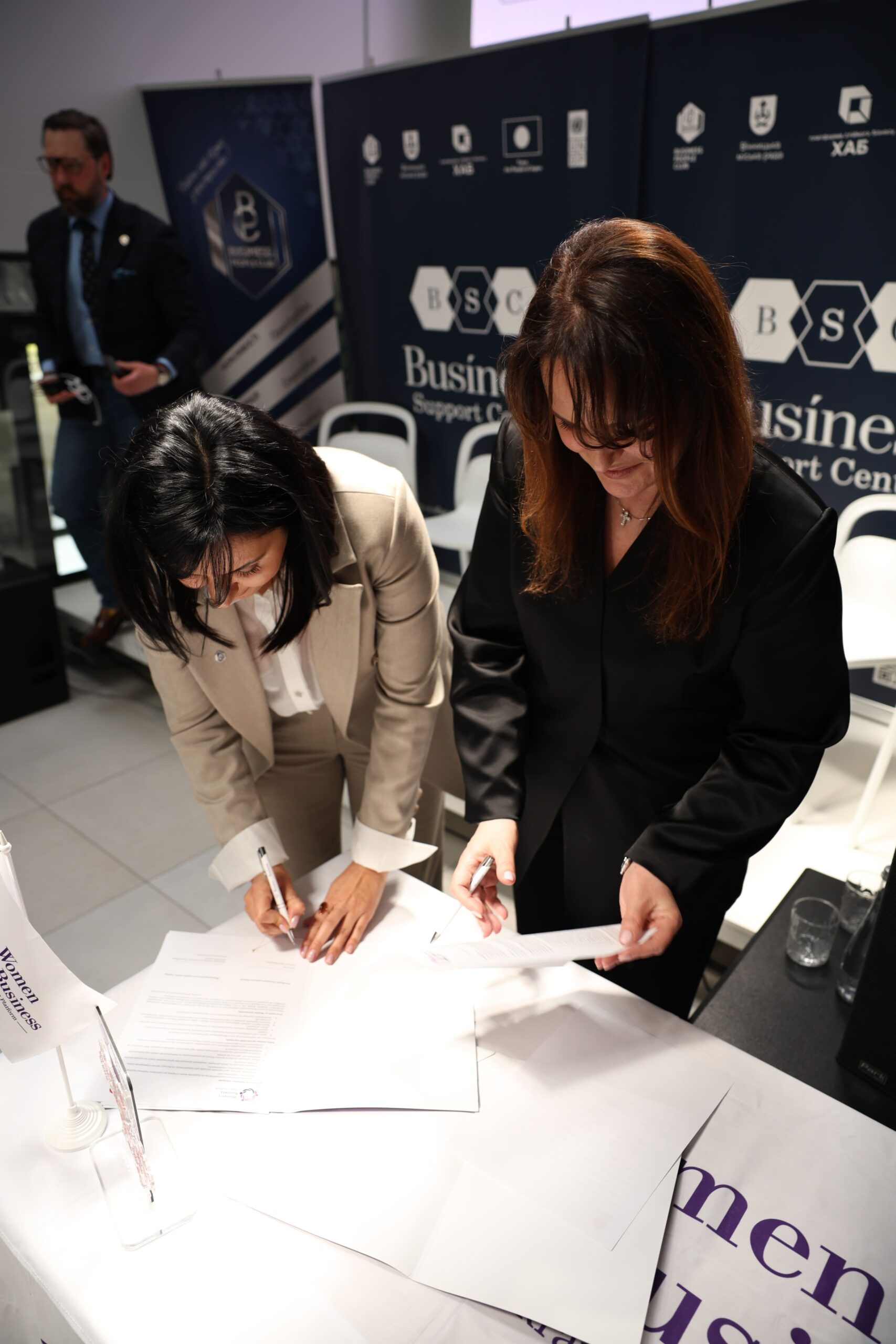
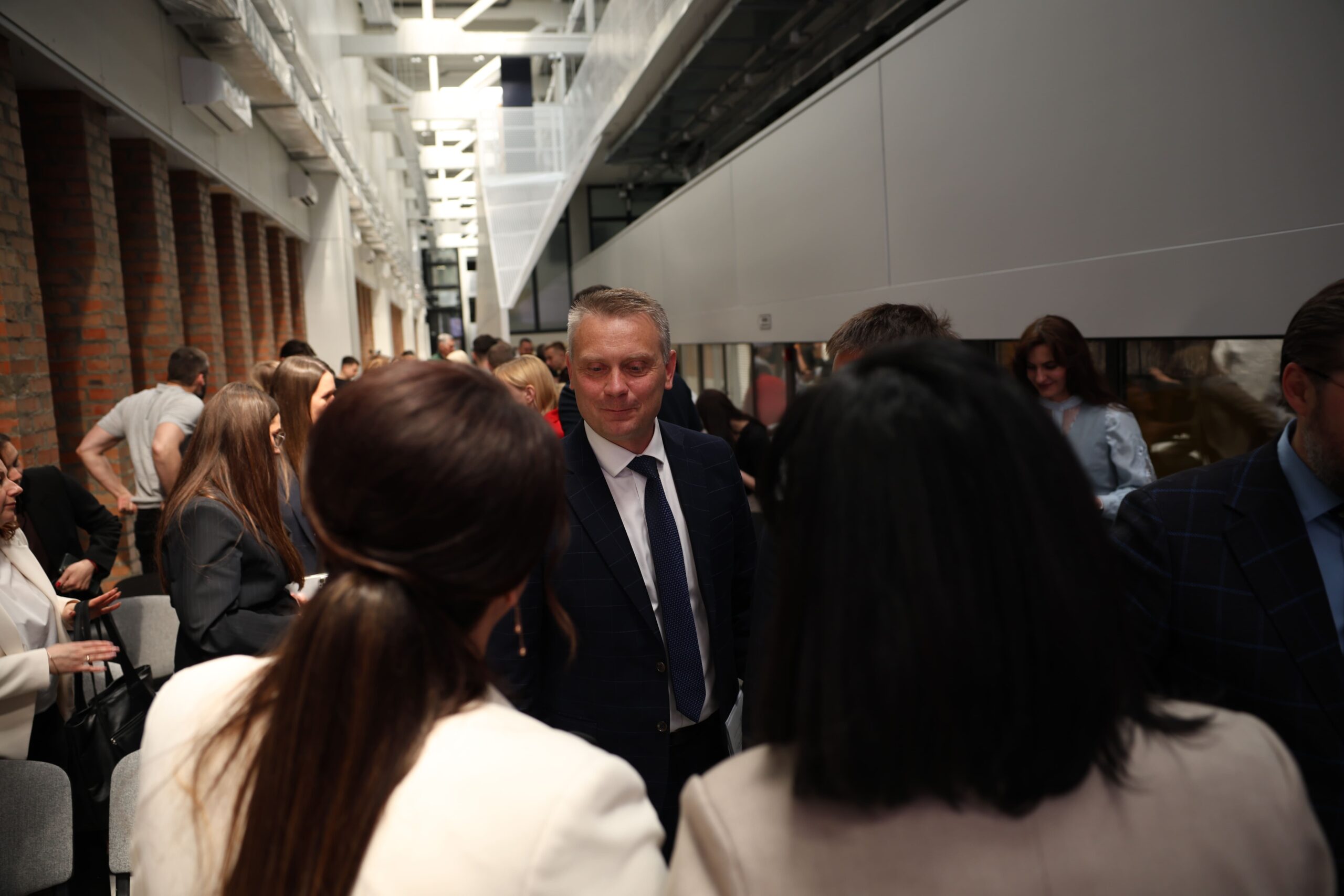

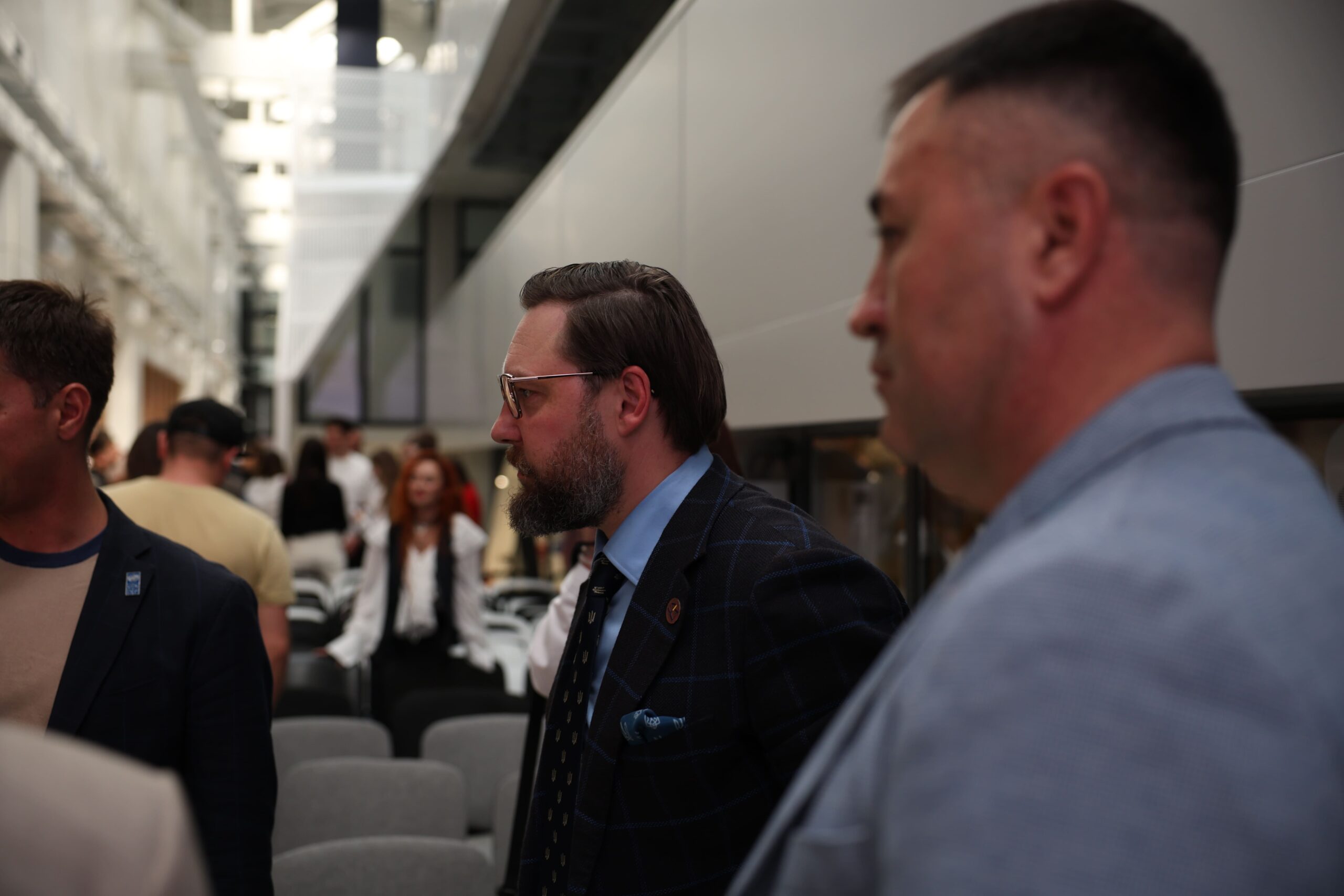
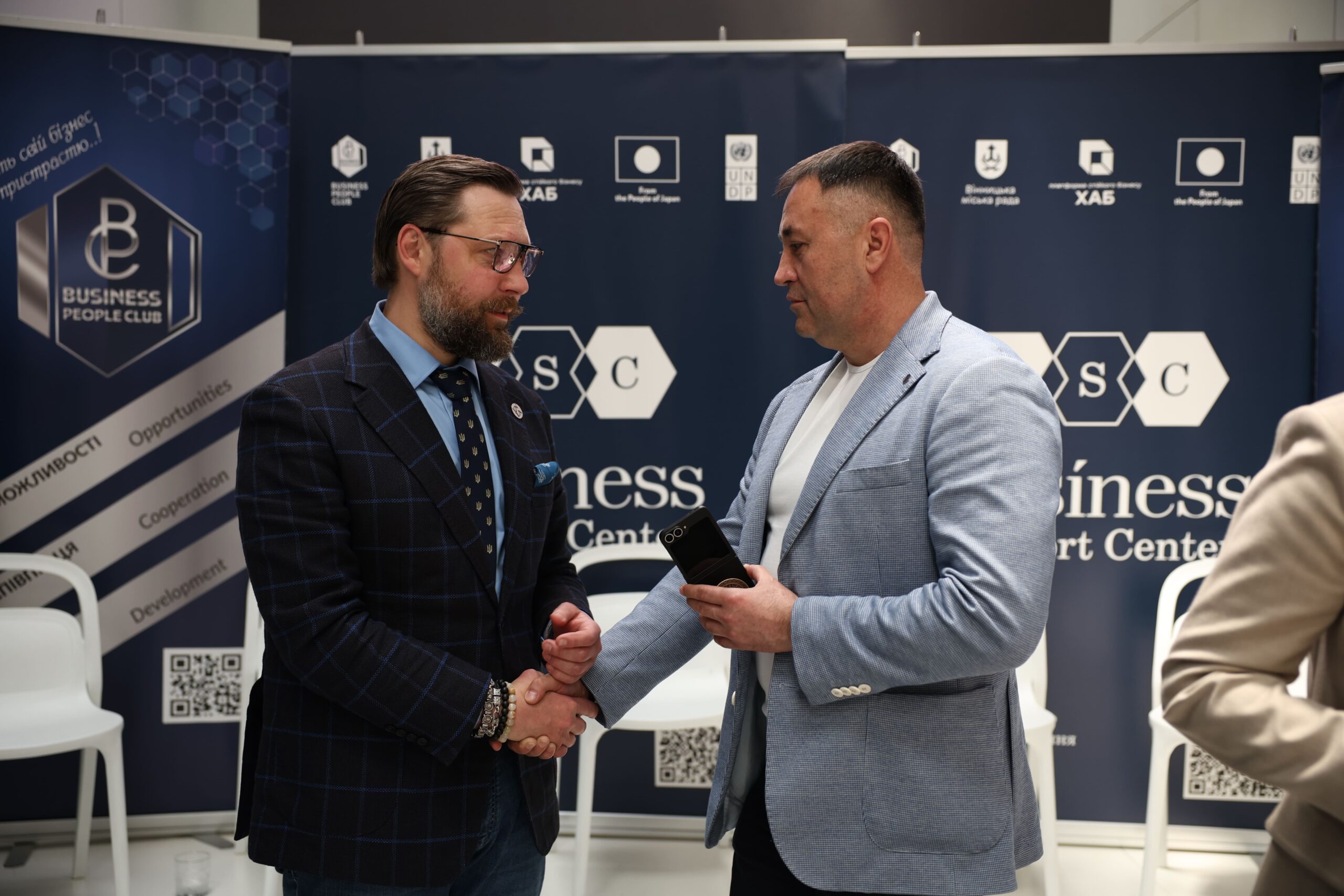
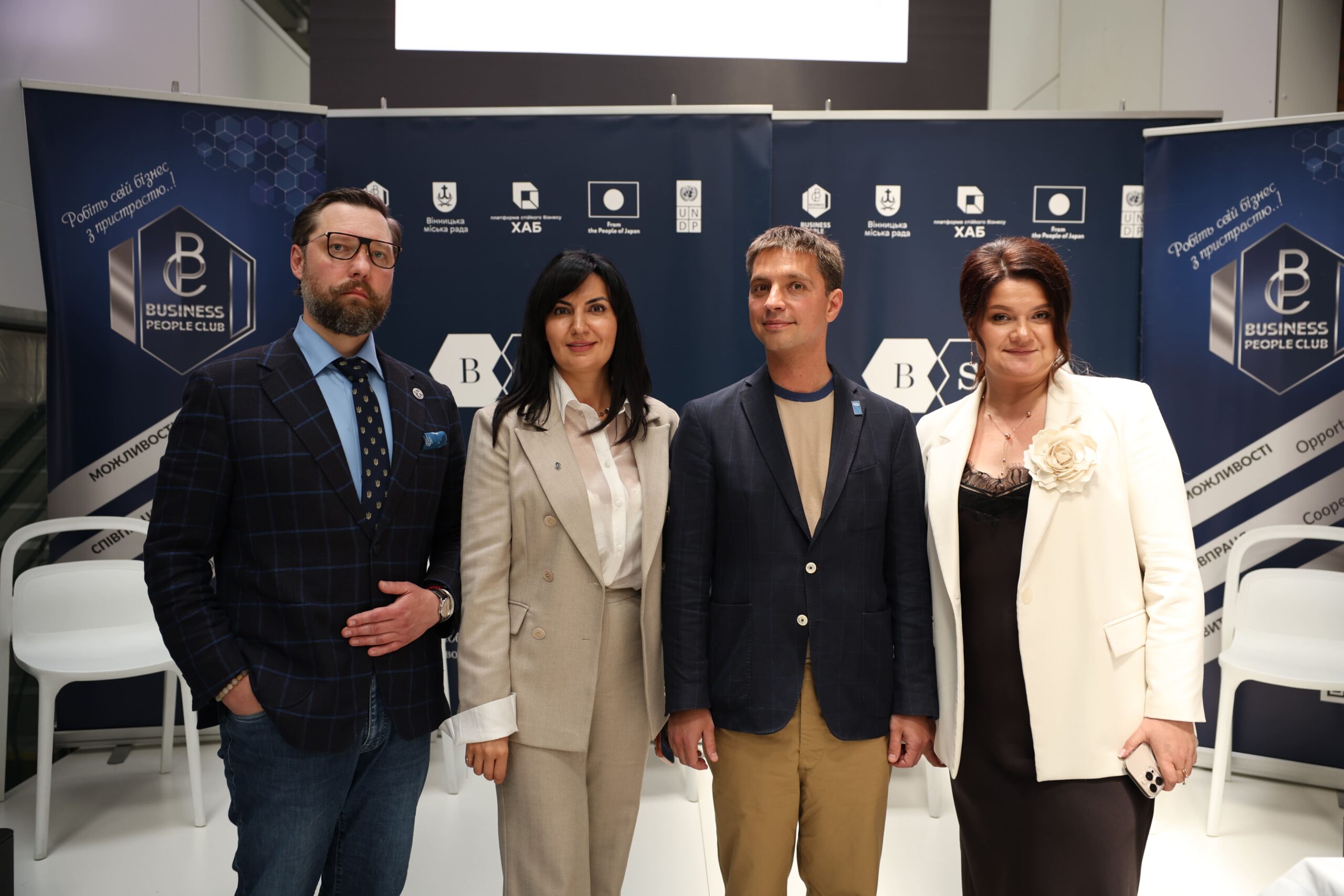
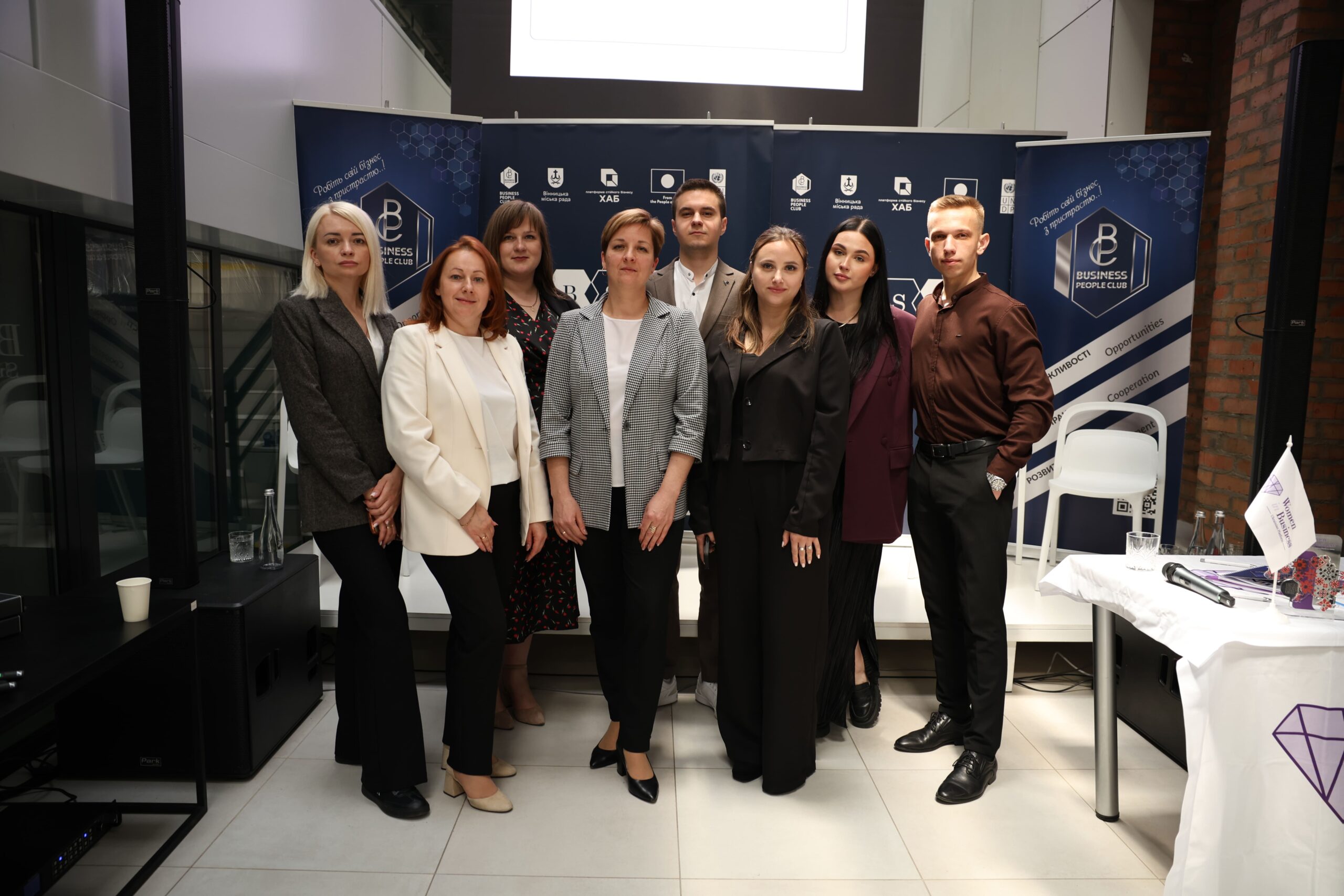
The participants also discussed the risks inherent in transition periods. Dmytro Chalenko emphasized the threats of unfair competition that arise in cases of non-transparent influence on decisions. In her turn, Olena Vykhrystyuk emphasized that the future of Ukrainian business directly depends on the implementation of ethical standards in the field of representation of interests.
In the end of the discussion, the participants came to a common but fundamentally important conclusion: the development of the lobbying institution in Ukraine is not just another element of legal reform. It is a prerequisite for the formation of a qualitatively new model of interaction between the state, business and society. A model in which decisions are made not under the influence of backroom deals, but as a result of an open, professional and responsible dialog.
It is initiatives such as the creation of regional chapters of the UNLA that lay the foundation for the emergence of a mature lobbying culture in Ukraine – a culture that works not in the interests of individual groups, but in the interests of sustainable development of the state as a whole.