
Why Ukraine Needs a Professional Government Relations Community Just as Much as It Needs Investment
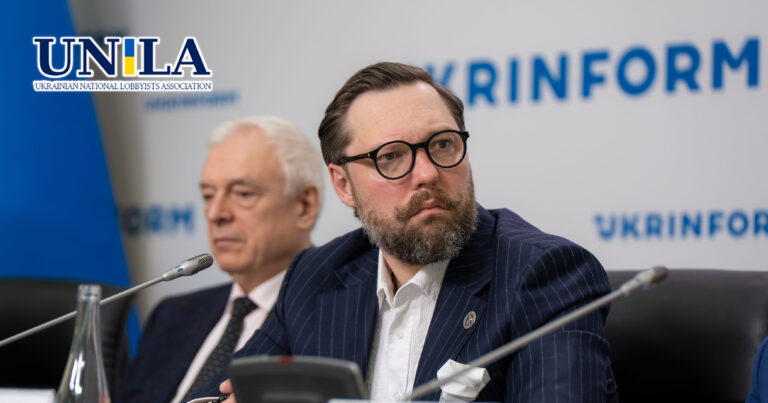
The question of who represents business interests before the government—and how—has long been overlooked in public discussions in Ukraine. A public meeting held on August 4 at Ukrinform by the Ukrainian National Lobbyists Association placed this issue in a different context: not as a terminological debate over the boundaries between GR and lobbying, but as a matter of public policy development. Presentations by Violetta Sukhanova—a lobbyist and expert on conflicts of interest and strategic interaction between business and the government—as well as by Serhiy Prokhorov —First Vice President of the Ukrainian Union of Industrialists and Entrepreneurs—provided grounds for asserting that the country’s ability to effectively facilitate dialogue between business and government is a factor that will determine the pace and quality of Ukraine’s postwar economic recovery.
Reconstruction is, above all, about the quality of decisions
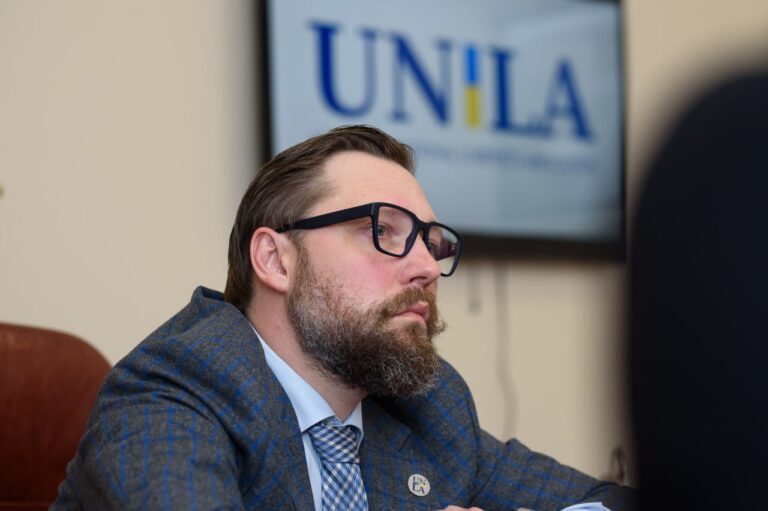
Mr. Serhiy noted that for Ukraine to achieve sustainable growth after the war, it needs an average annual GDP growth rate of 4.5%. There are two ways to achieve this — either by increasing the knowledge intensity of jobs and adopting new technologies, or simply by expanding the labor force through labor migration, which, according to his estimates, would require 4.5–5 million people—with risks similar to the migration crises in Europe.
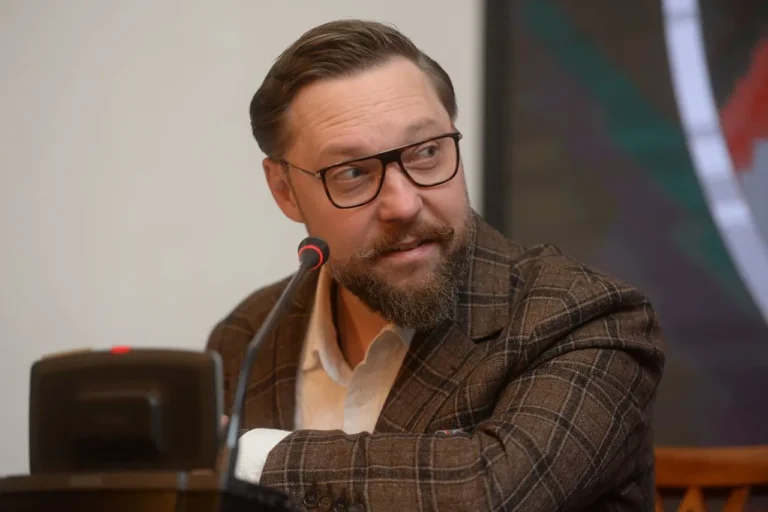
It is here, according to Mr. Prokhorov’s logic, that the role of a government relations professional comes into play: not someone with useful contacts, but a mediator capable of convincing business leaders to invest in technology rather than importing cheap labor. Prokhorov linked this to the experience of EU countries, where no major economic decision is made without consulting employers. Only someone with the appropriate training—knowledge of legislation, economic literacy, and proficiency in foreign languages—is capable of fostering such a dialogue. In other words, the quality of the post-war economic course will depend not only on government decisions but also on the qualifications of the intermediaries between the government and the business community.
Trust as an Economic Resource
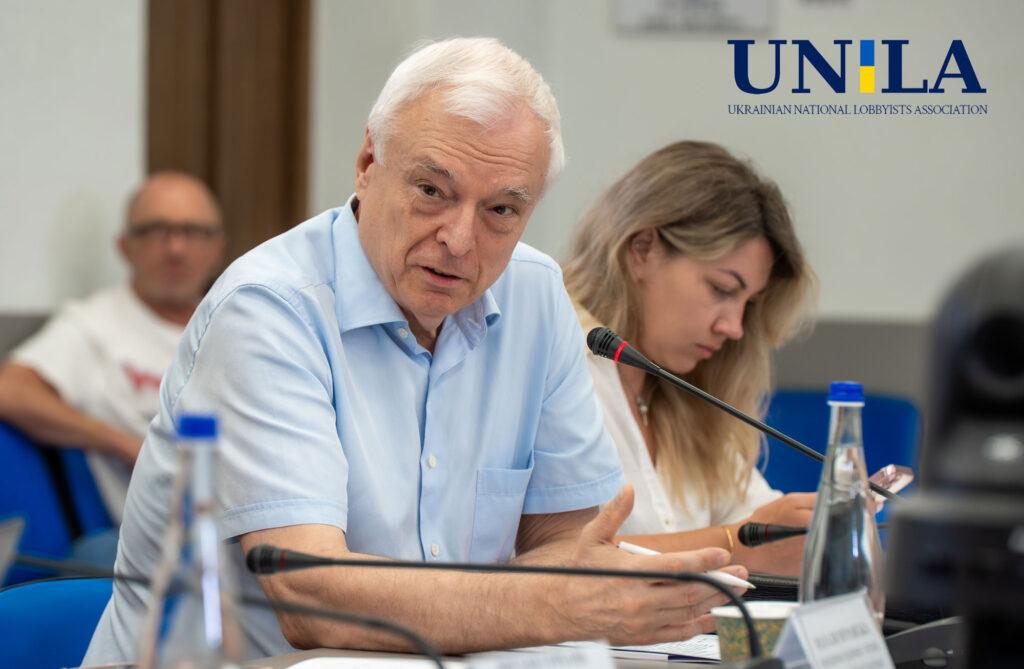
While Mr. Prokhorov demonstrated why the economy needs GR professionals, Ms. Sukhanova explained why this function cannot work without integrity standards. Integrity, she said, is not a reputational bonus, but the very foundation of the right to participate in professional dialogue: a specialist who substitutes strategy for the display of personal connections undermines the very possibility of business and the state trusting one another.
And trust is a resource that is critical for a country that needs to attract investment amid war and postwar uncertainty. Sukhanova emphasized that stakeholder management involves analyzing the decision-making architecture, rather than searching for the “right person”; position papers must be based on verified facts and sound reasoning; regulatory support must be proactive, rather than reactive. Together, these elements form a system—analytics, communication, regulatory expertise, and integrity—without which GR devolves into a collection of disparate contacts, which has traditionally fueled mistrust in relations between business and government.
Together, these two presentations form a coherent argument: reconstruction requires technological modernization, which is possible only through high-quality social dialogue between business and the government, and this dialogue requires professionals capable of fostering well-reasoned, ethical cooperation.
That is precisely why the initiative by the Ukrainian National Lobbyists Association to develop a professional standard titled “Government Relations Professional” is a logical extension of the association’s mission: to foster a transparent and accountable culture of interaction between business, the government, and society in Ukraine