From Law to Profession: UNLA Summarizes Its First Year of Operation
Just a year ago, regulated lobbying was a new legal reality for Ukraine. Today, it is gradually taking on the characteristics of a full-fledged profession—with its own rules, ethical standards, educational programs, and accountability to society.
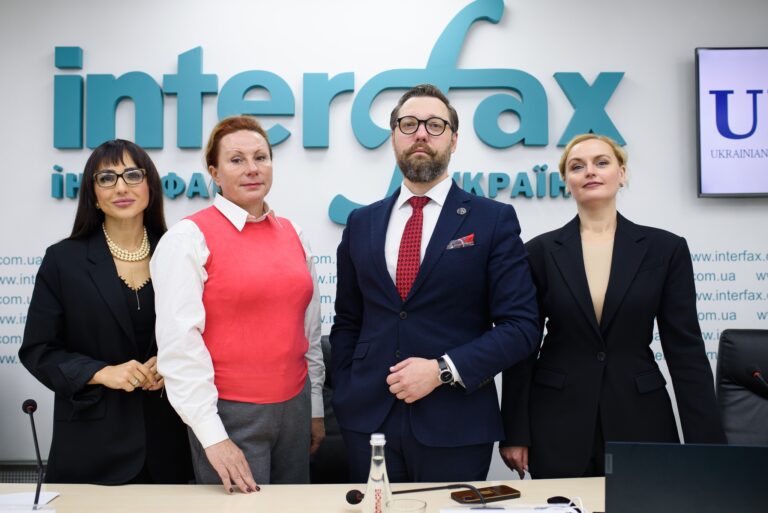
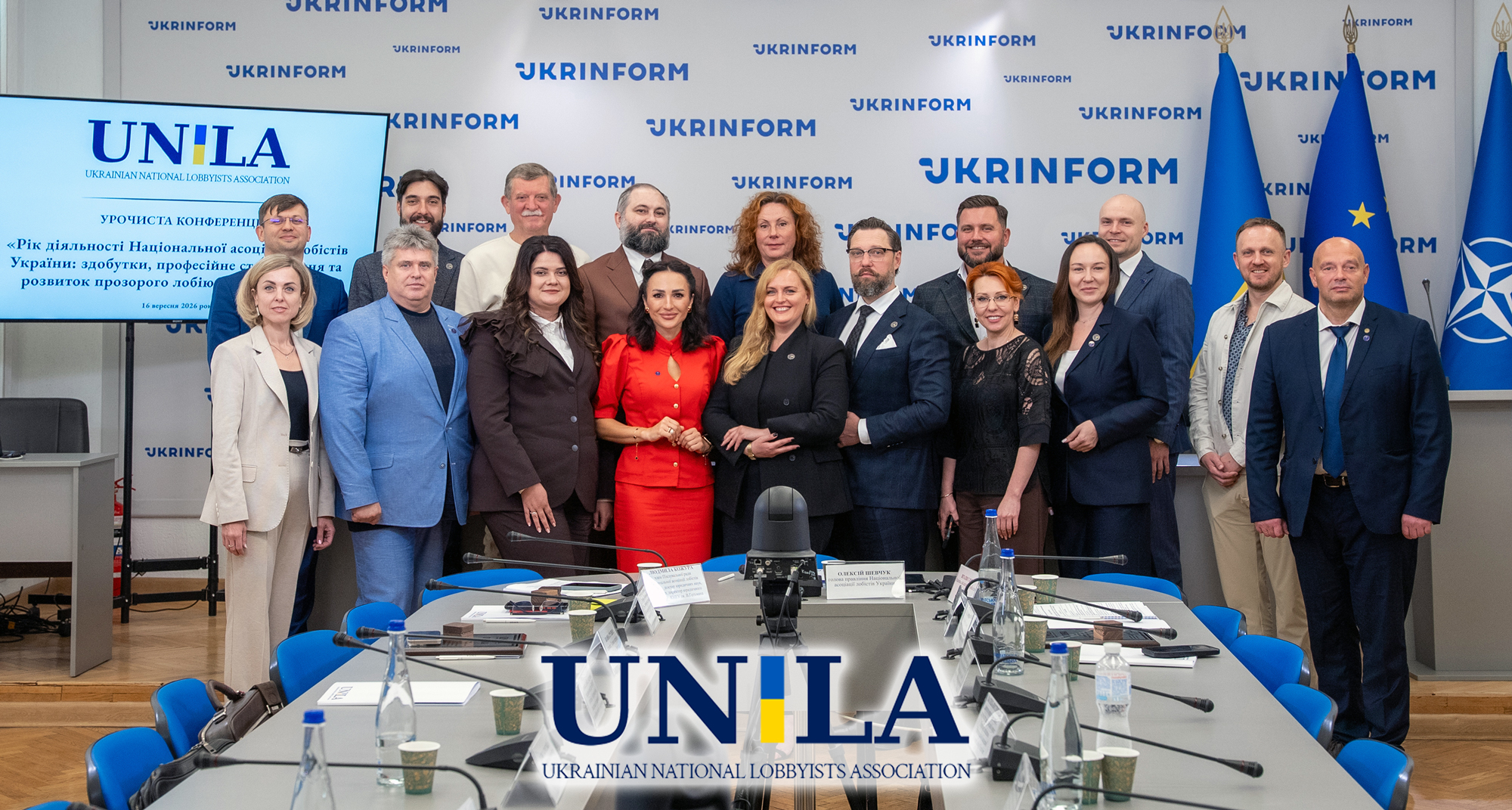
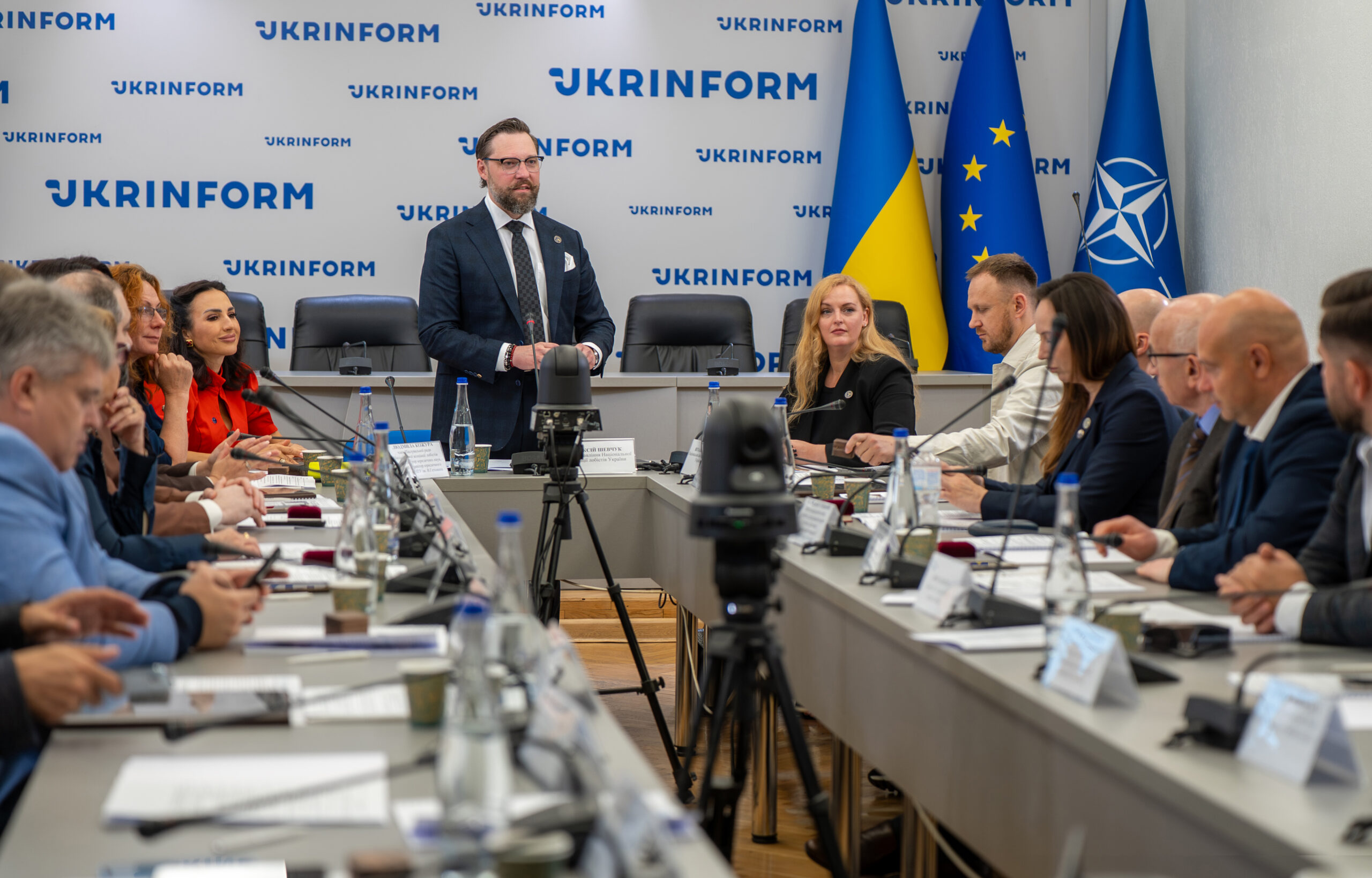
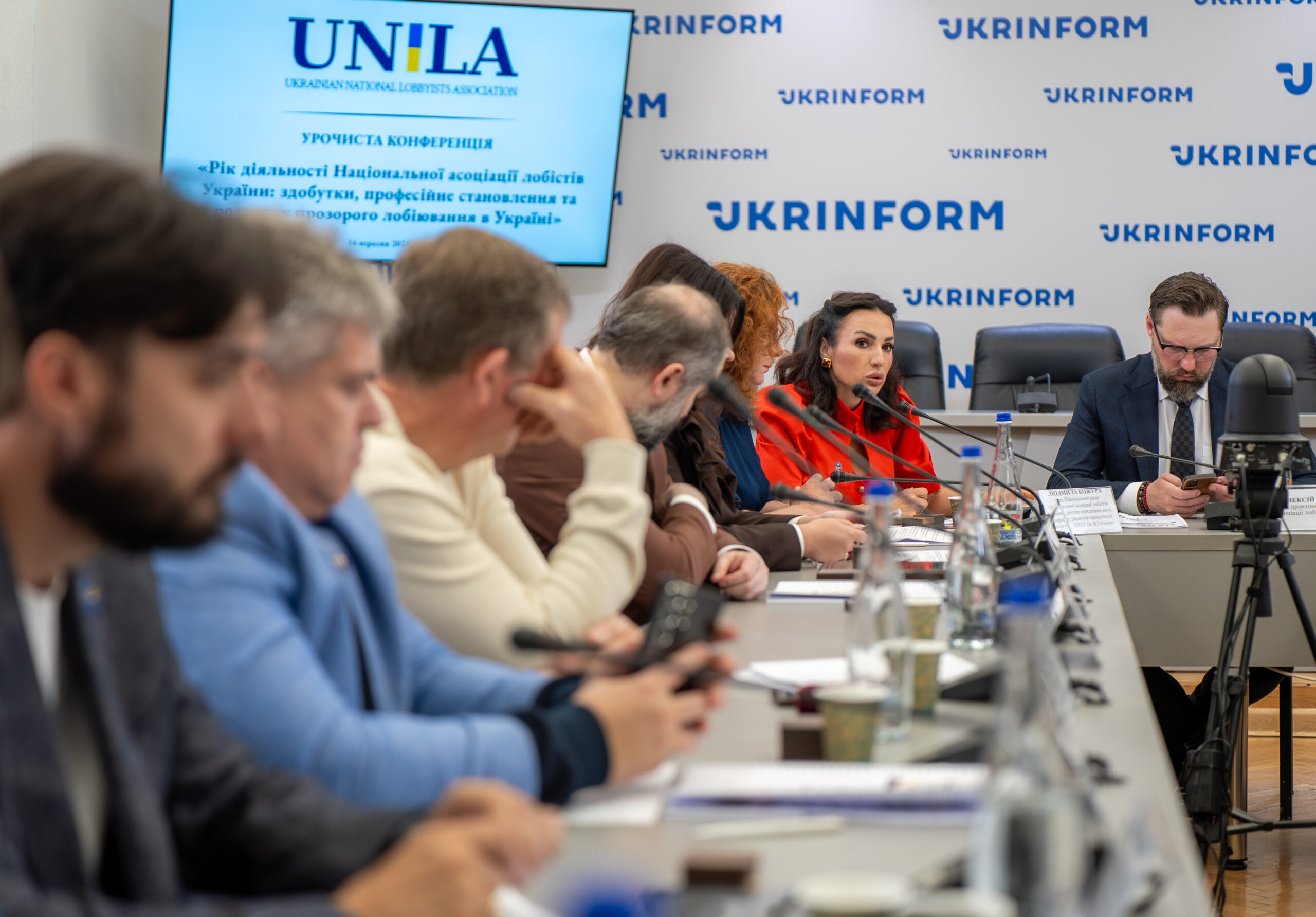
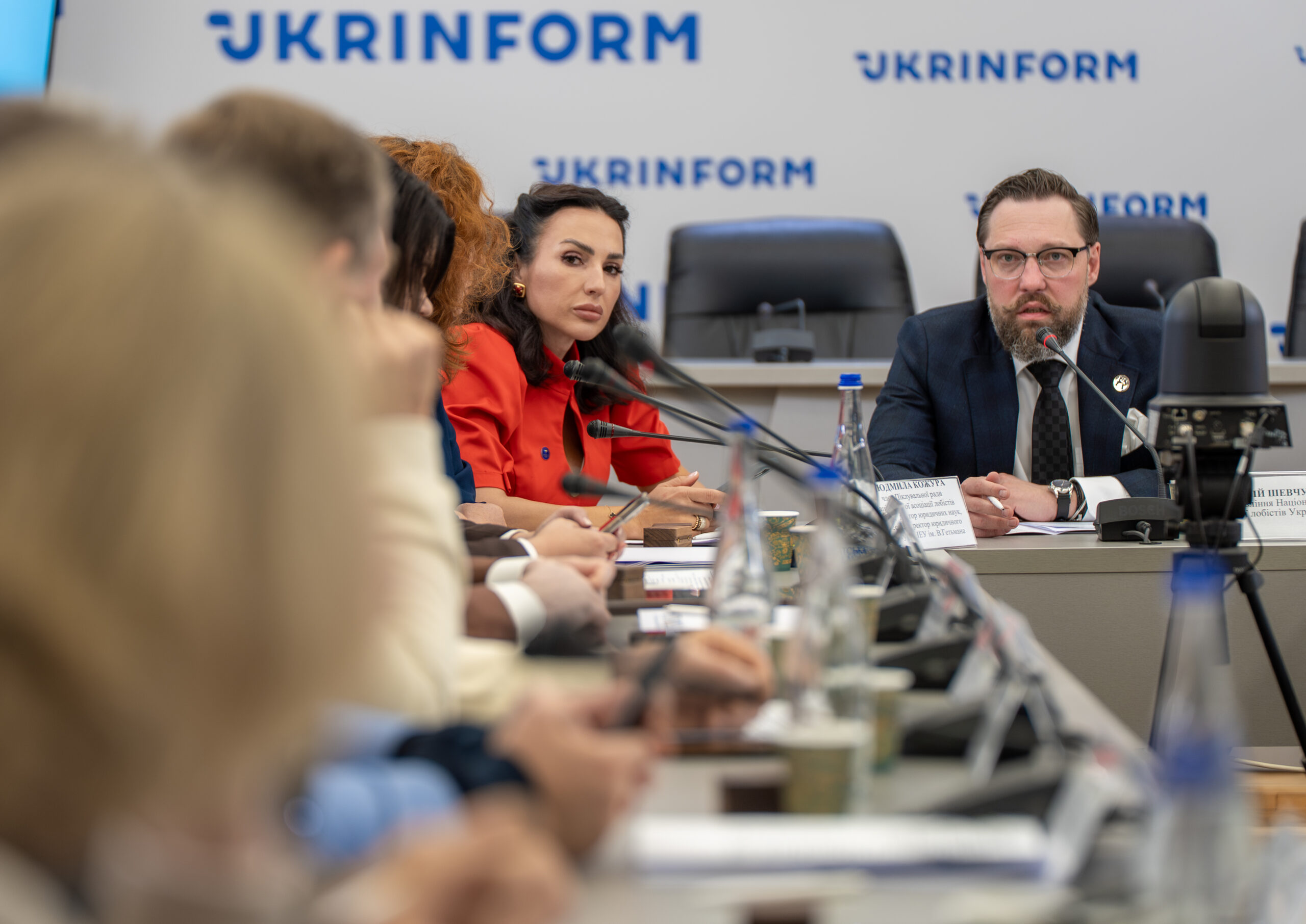
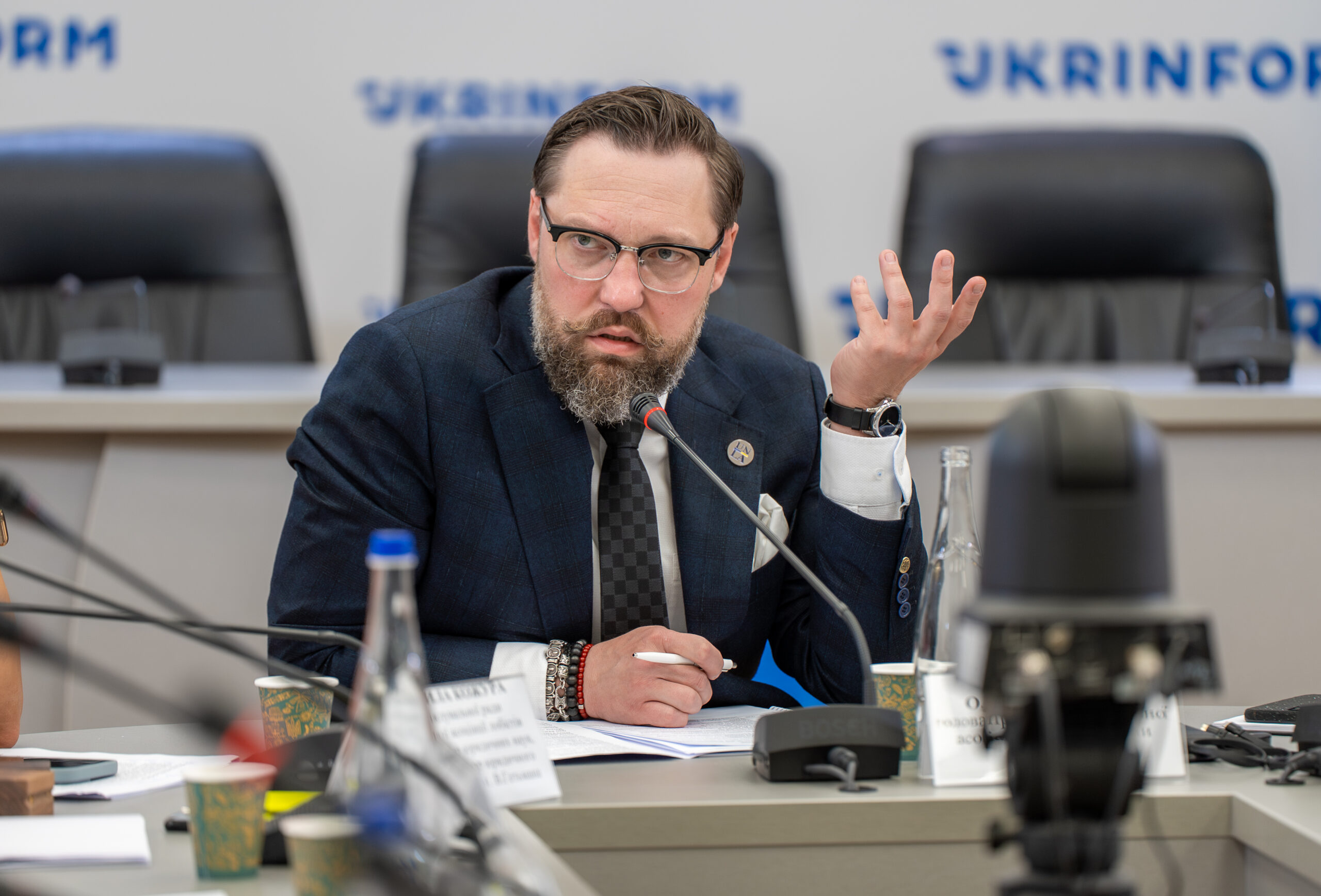
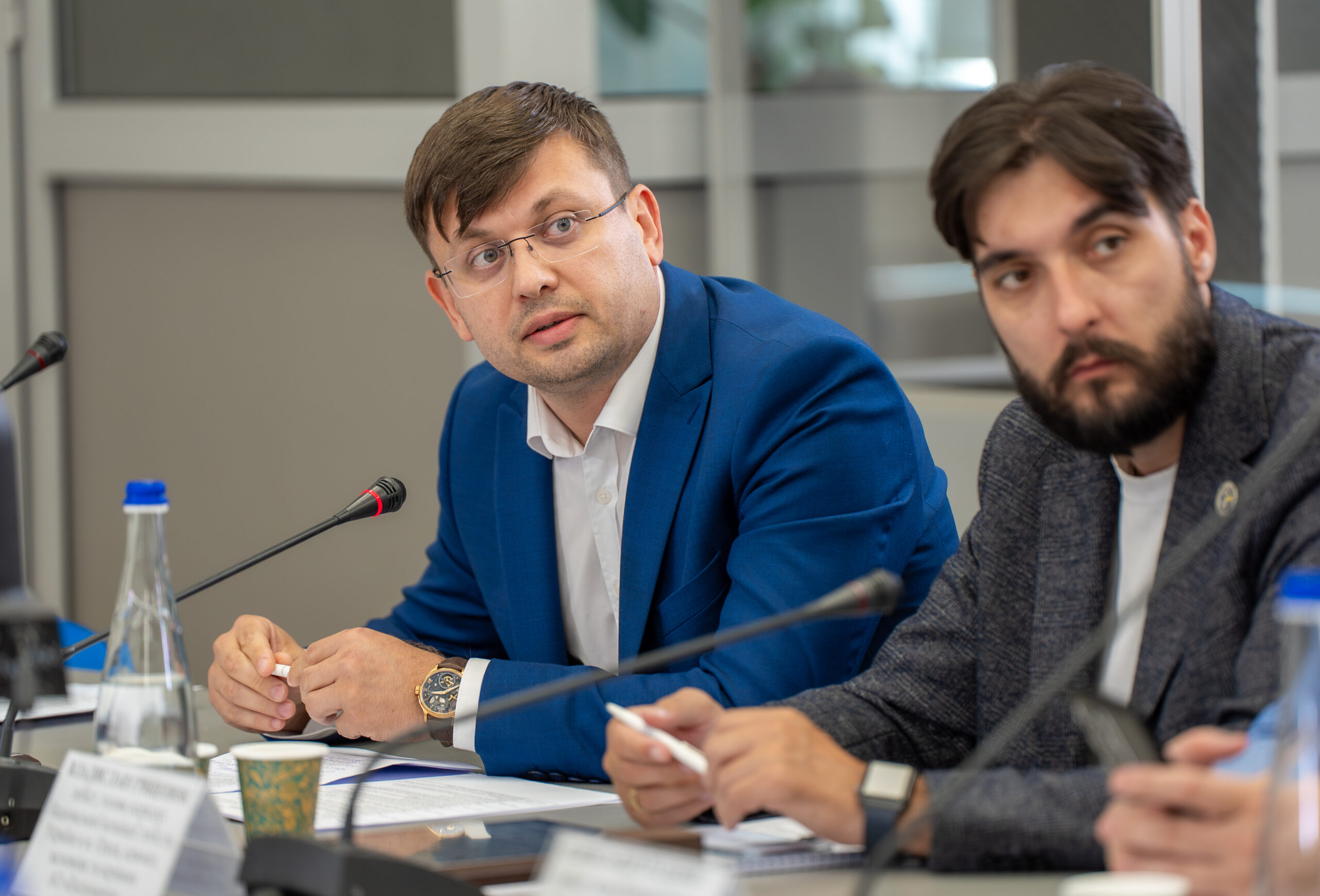
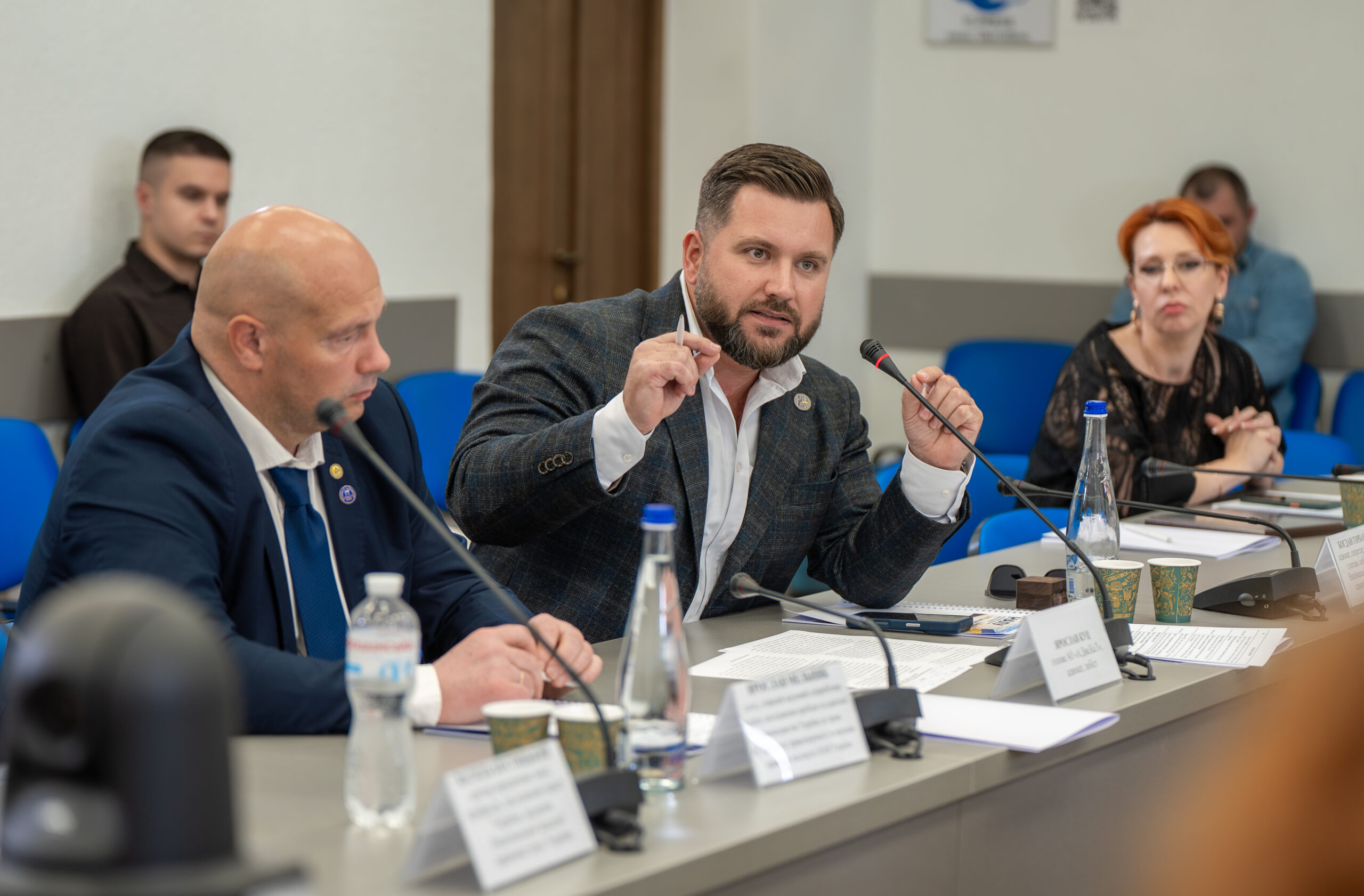
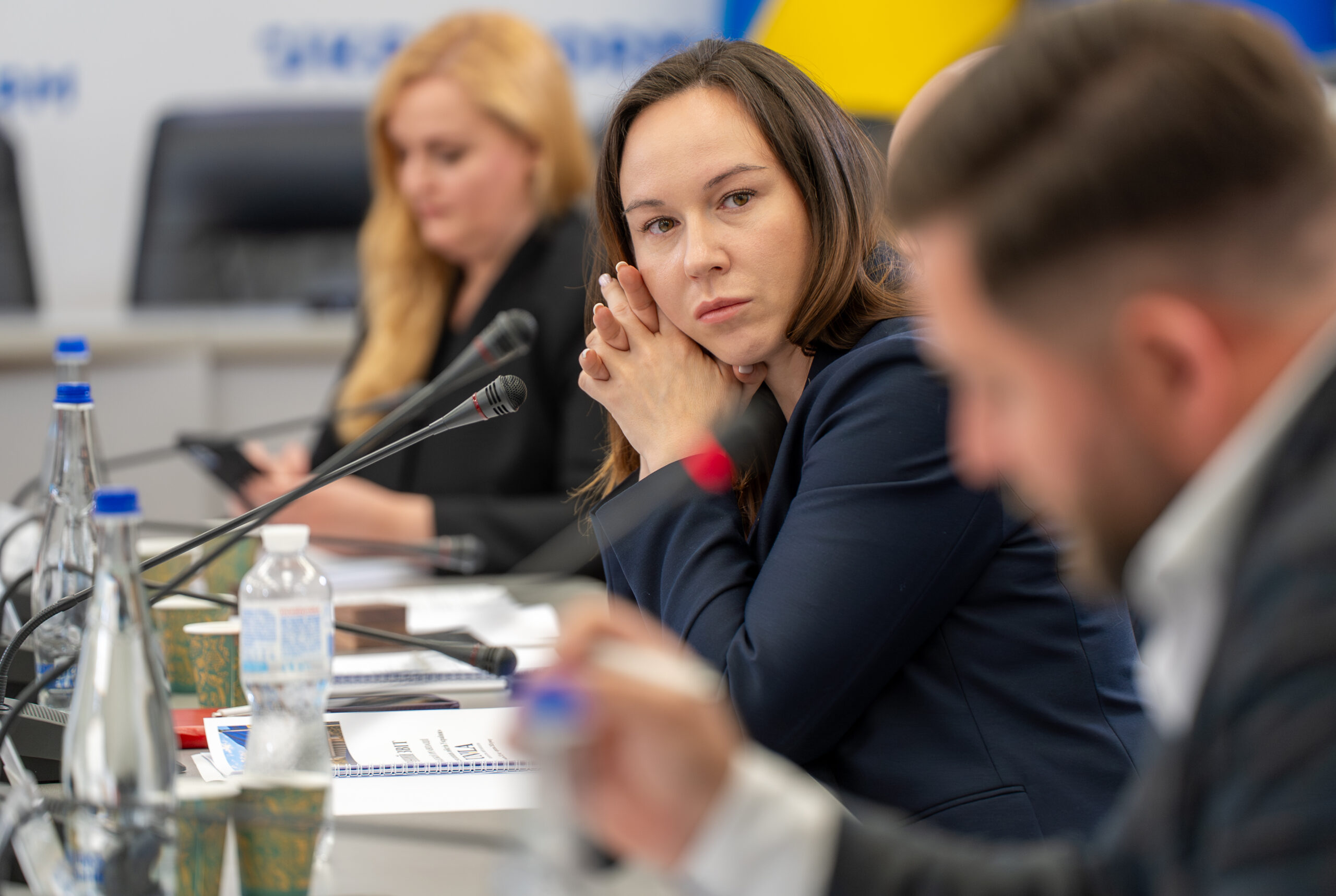
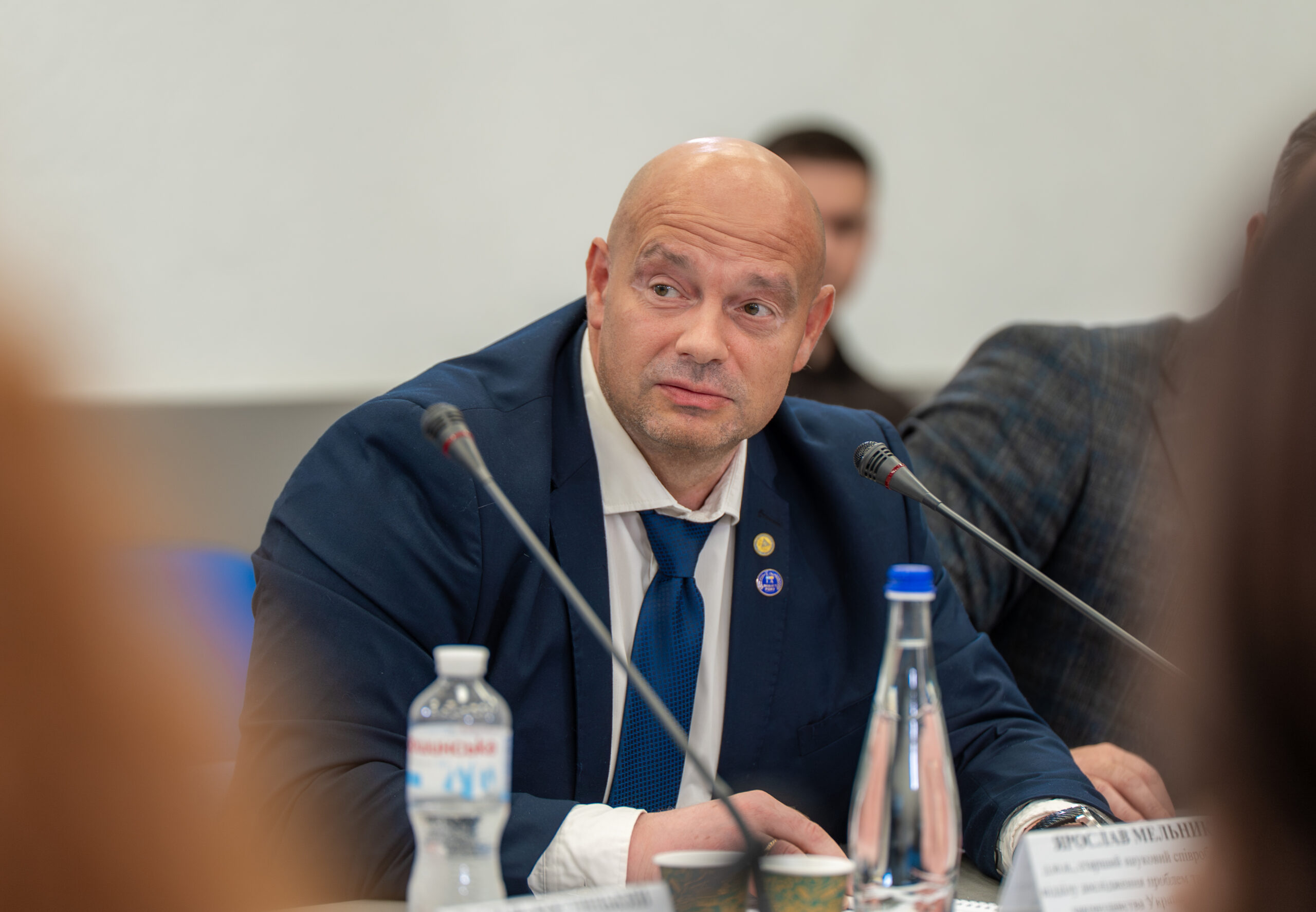
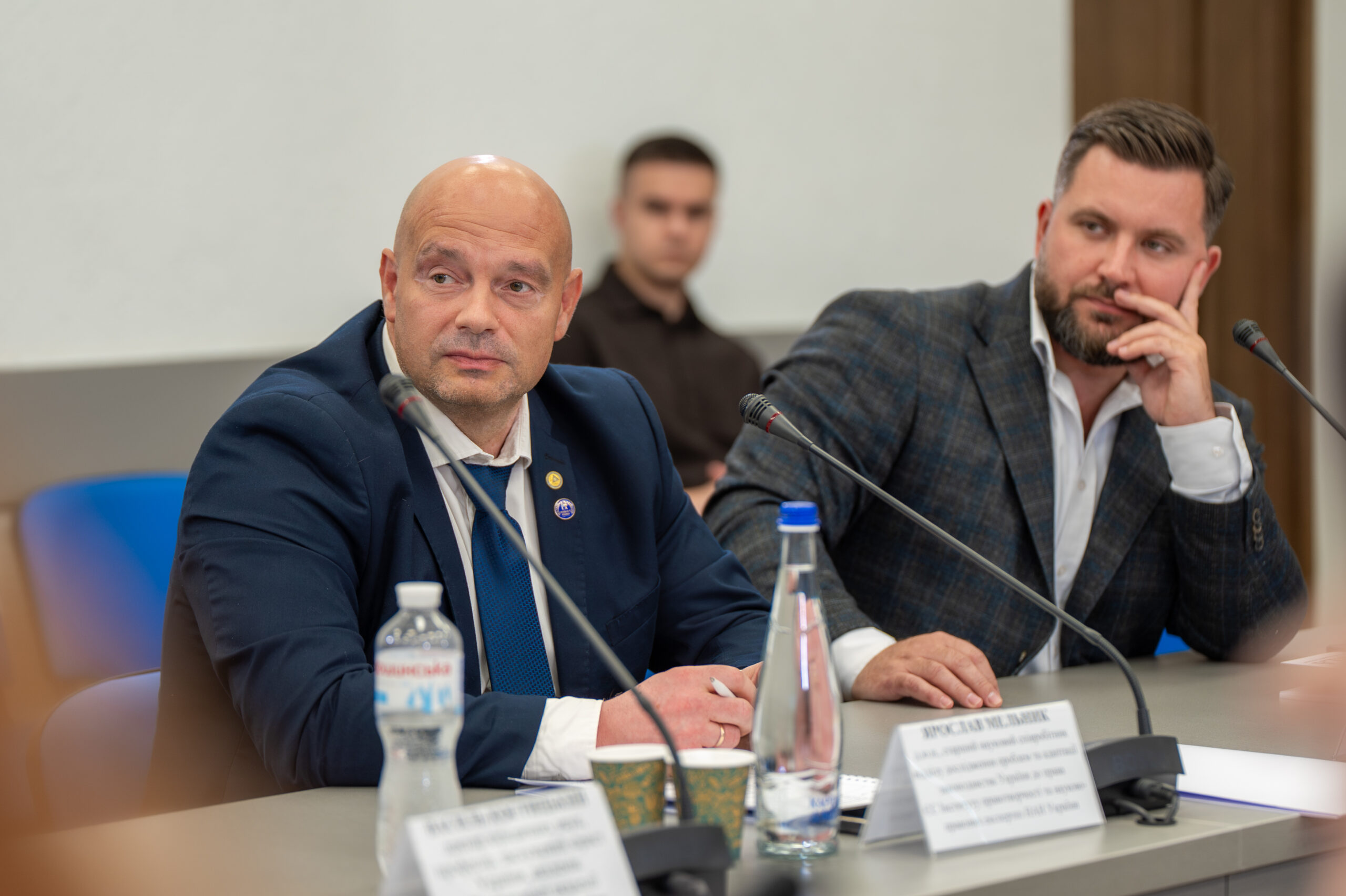
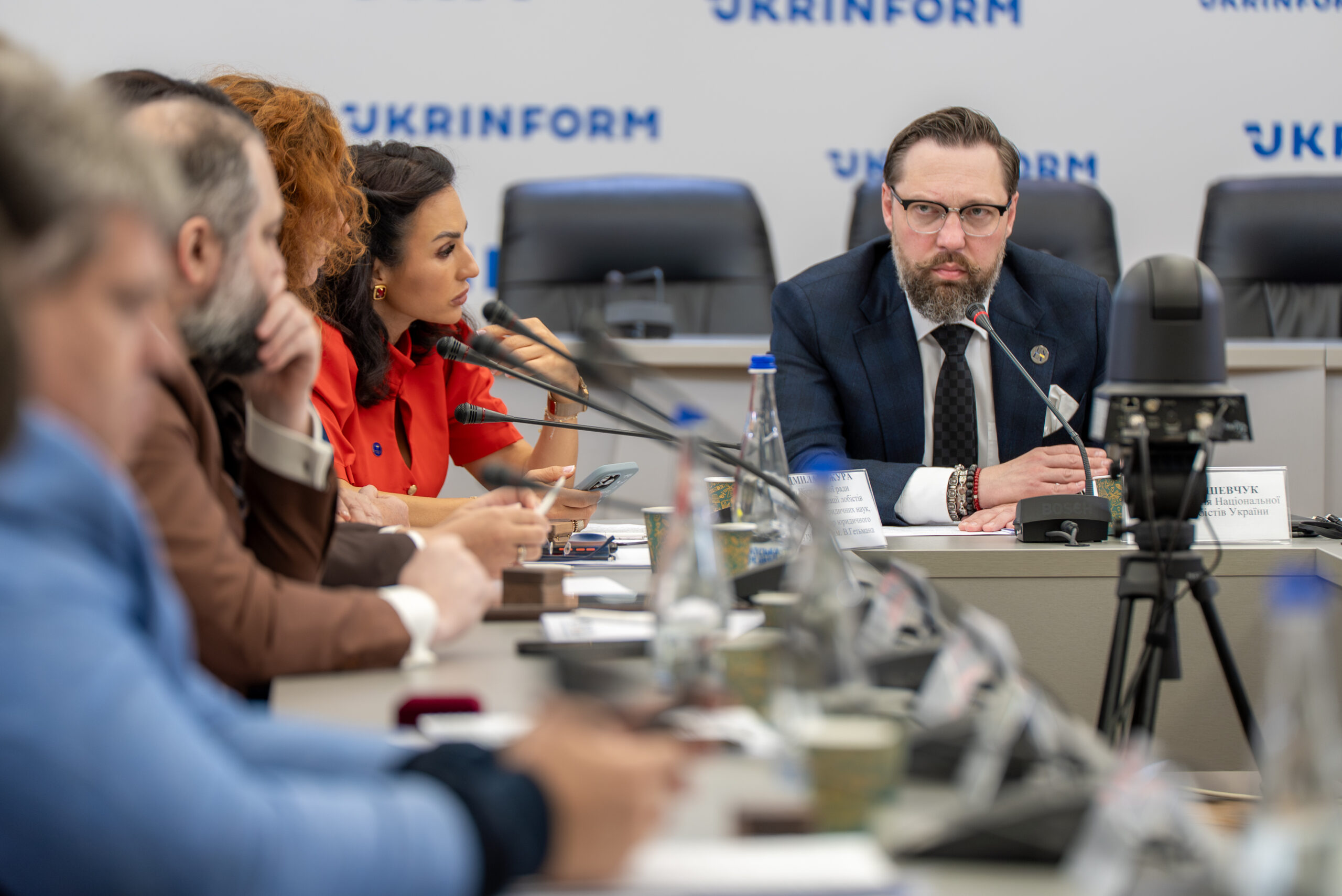
The initial results of this initiative were presented on September 16, 2026, at the Ukrinform news agency, where a formal conference titled “The First Year of the Ukrainian National Lobbyists Association: Key Achievements and Priorities for Further Development” was held.
The event brought together lobbyists, lawyers, academics, business representatives, and experts. Discussions focused not only on achievements but also on the challenges that will shape the future of the profession: the quality of professional training, transparency in dealings with government authorities, anti-corruption safeguards, clear tax rules, and public trust.
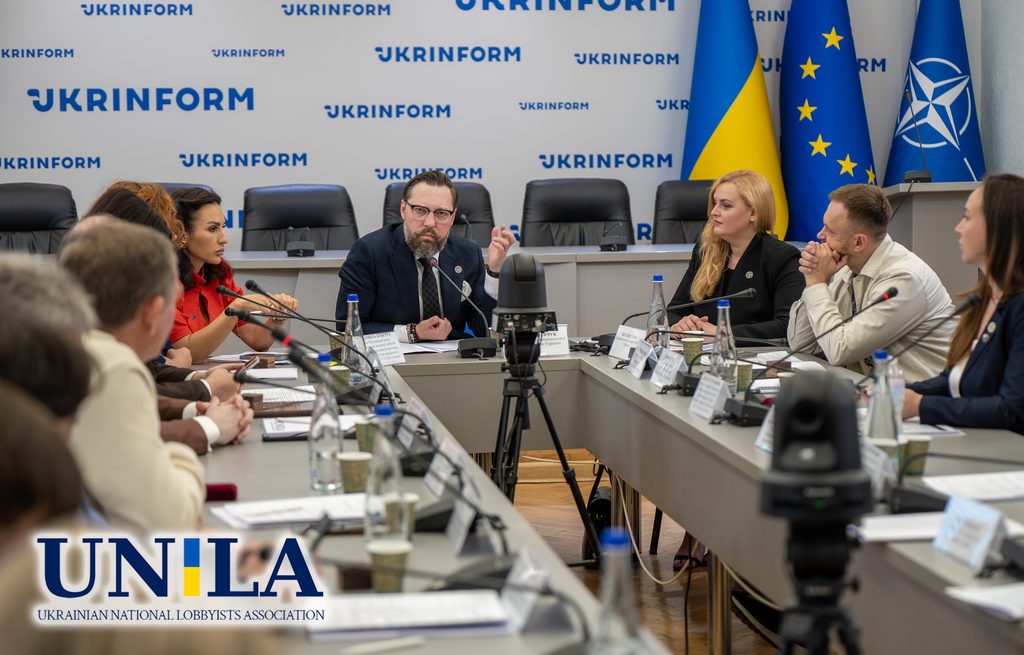
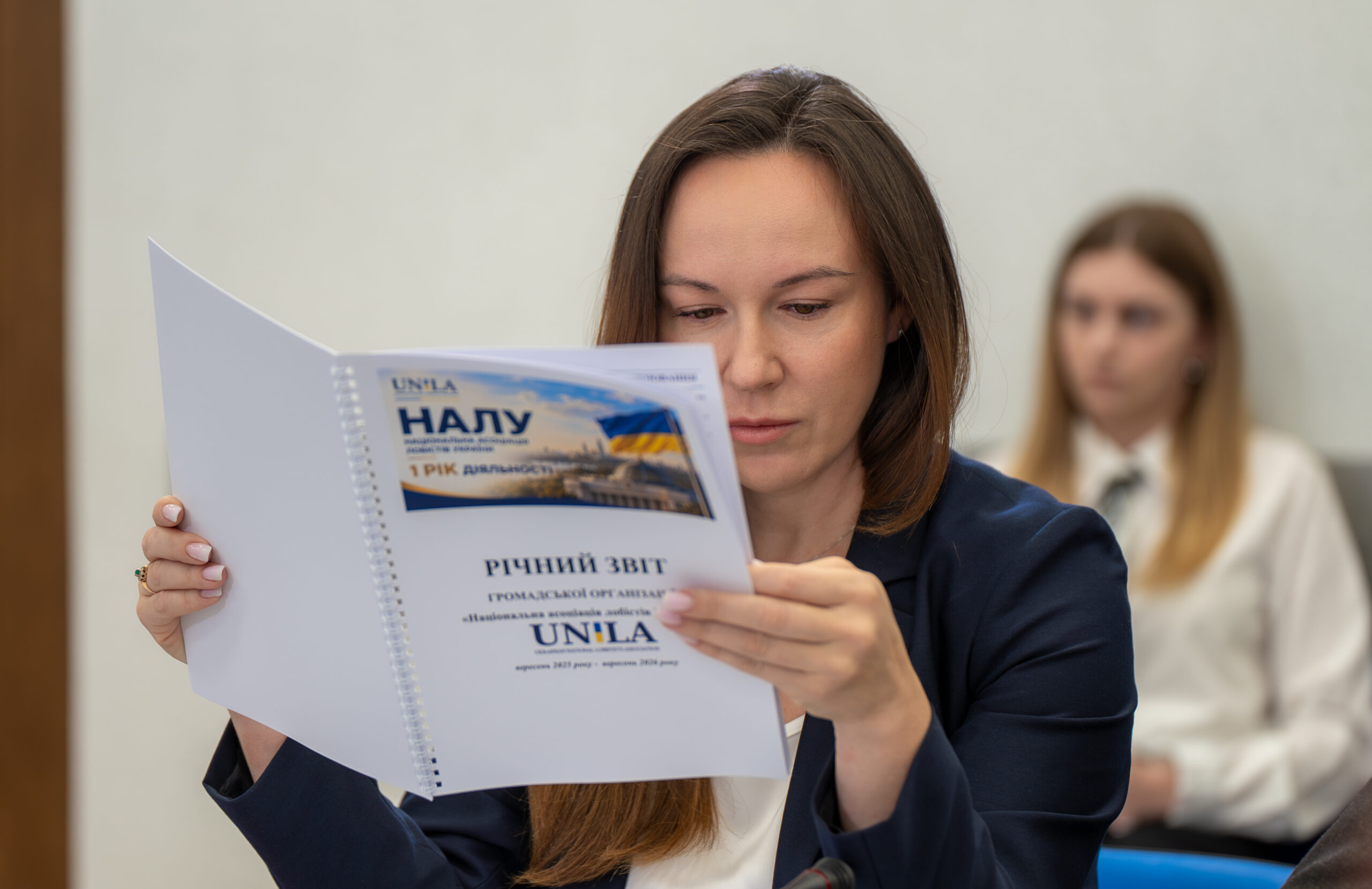
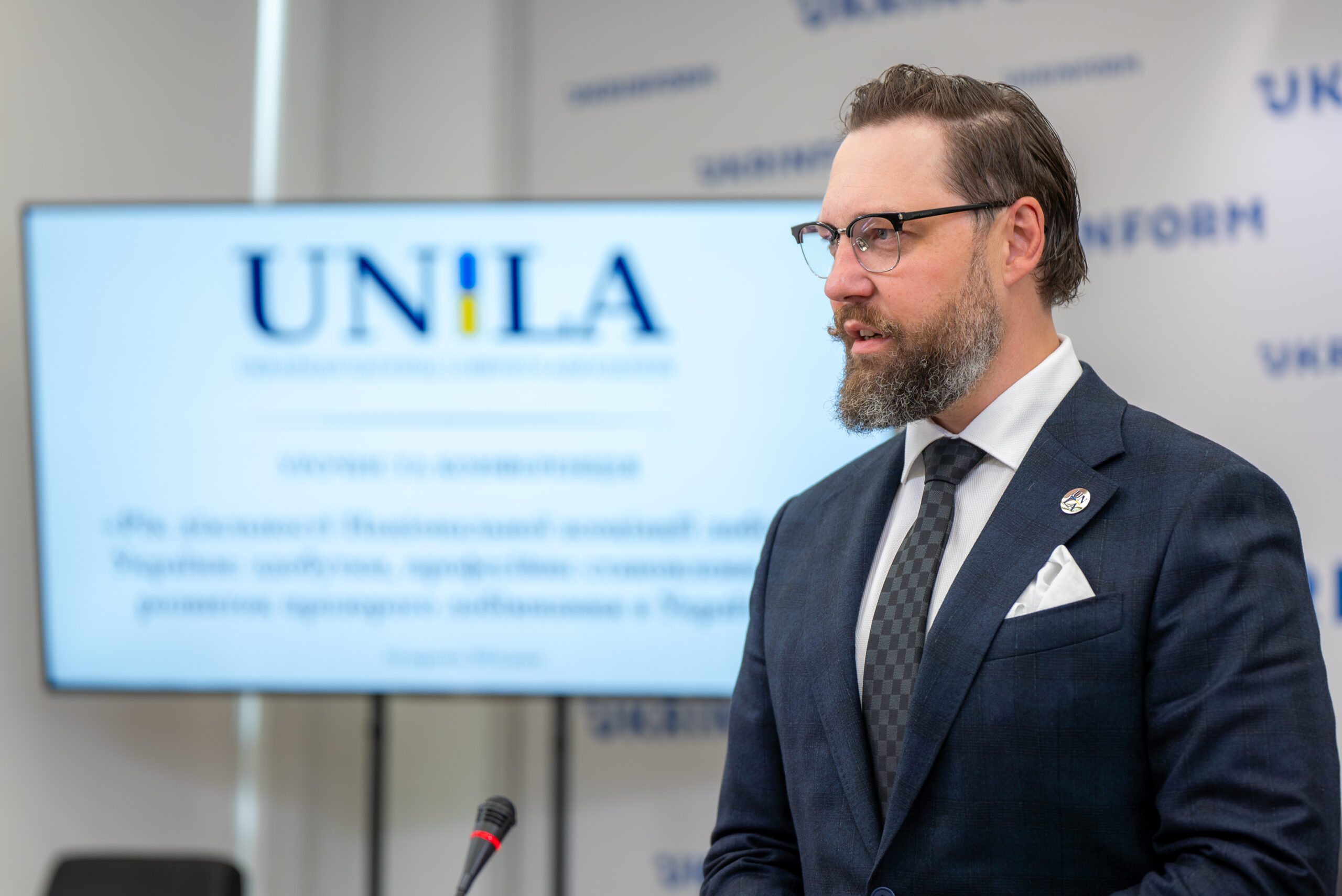
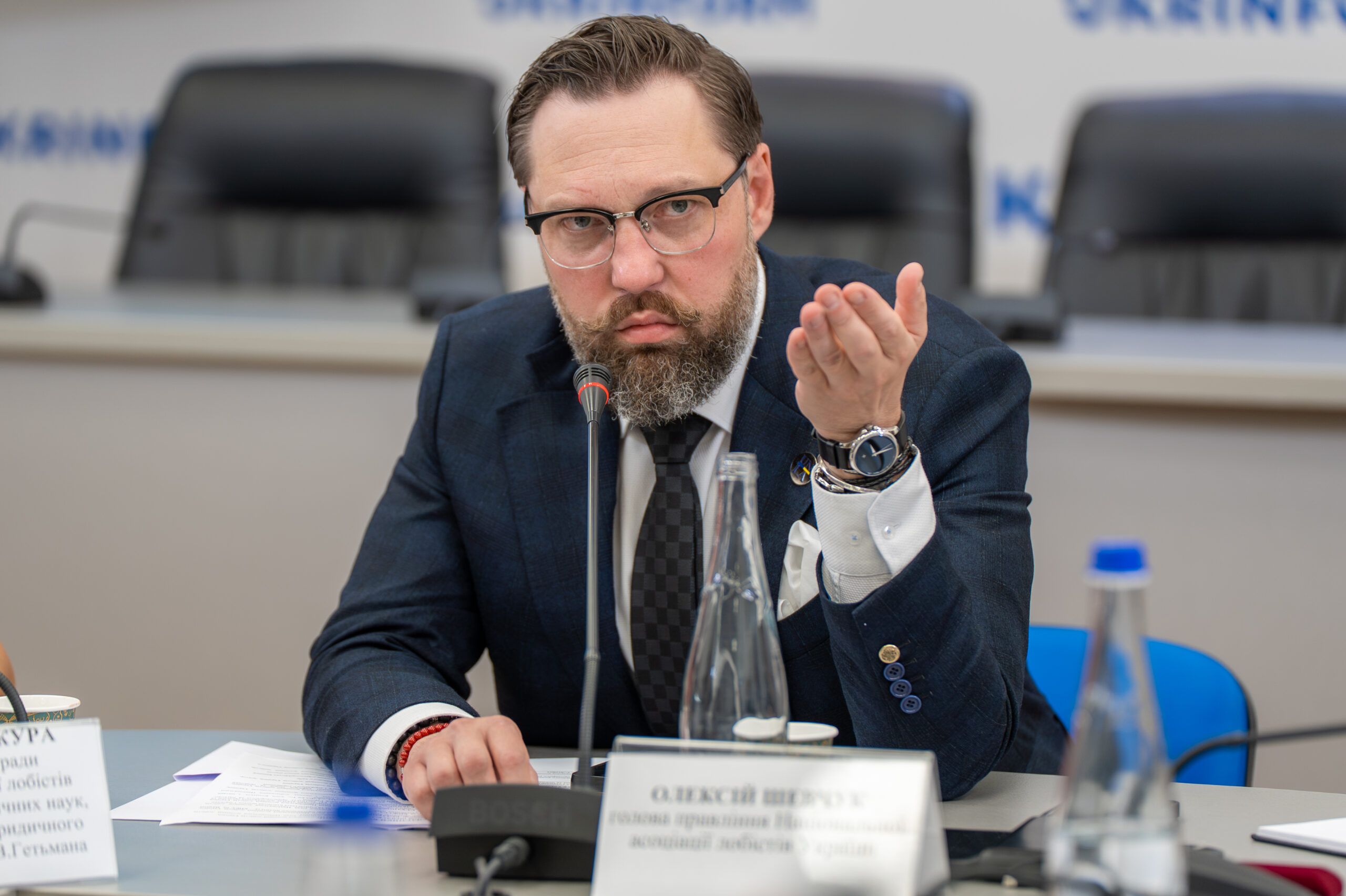
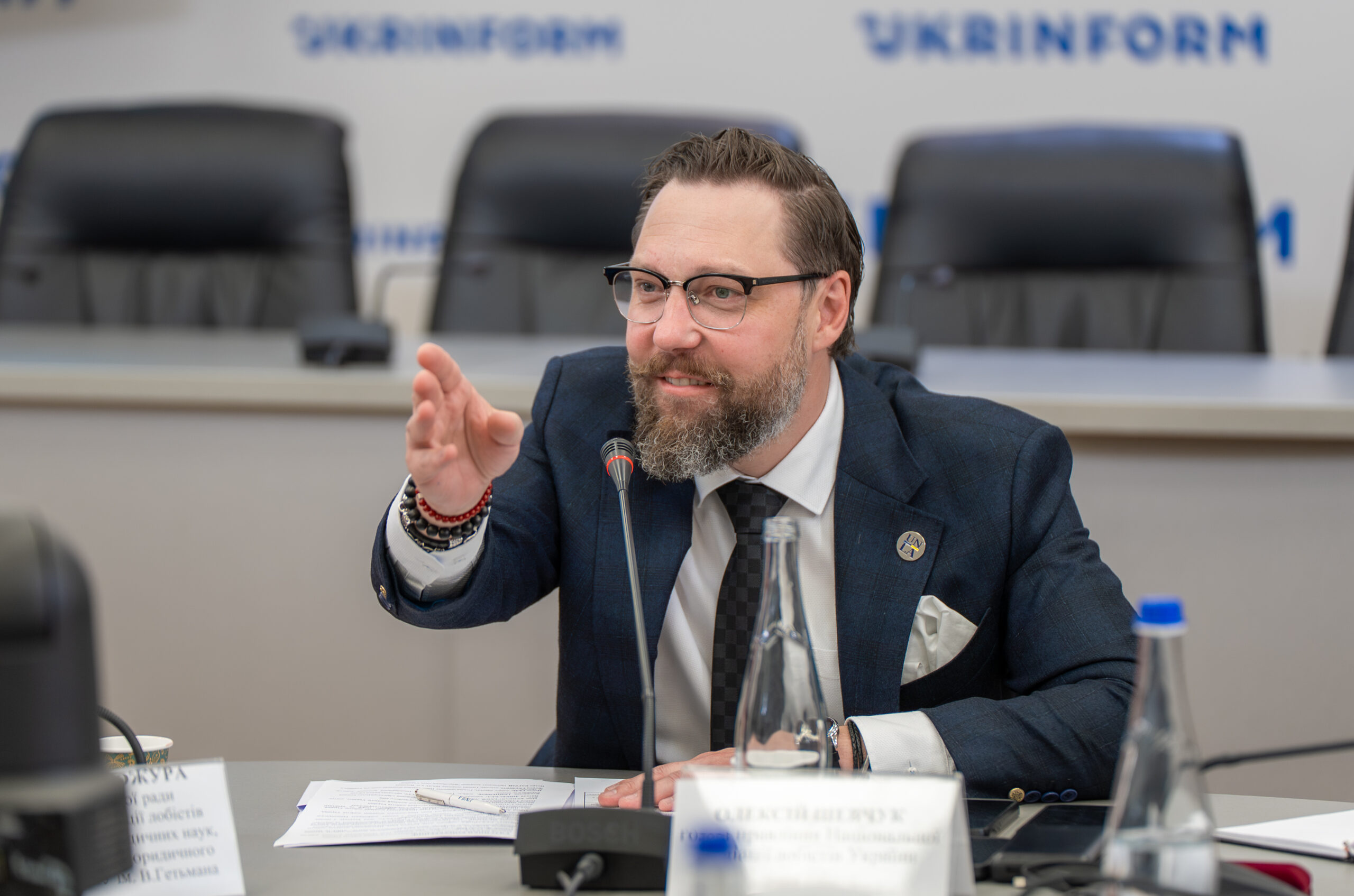
In his opening remarks at the conference, Oleksiy Shevchuk, Chairman of the Board of the Ukrainian National Lobbyists Association (UNLA), presented UNLA’s annual report covering the period from September 2025 to September 2026. During this period, the Association has evolved from its organizational formation to systematic participation in shaping a new professional environment.
During its first year, UNLA established an Ethics Council and a Board of Trustees, introduced the position of Anti-Corruption Officer, and began developing professional standards and training materials. A separate area of focus has been the distinction between the activities of a lobbyist and those of a government relations professional. These are two related but distinct professions, for which specific functions, competencies, and ethical requirements must be defined.
But even the most perfect regulations are not enough if the professional community is unable to defend its own standards on its own.
“For a lobbyist, reputation is the primary professional asset and, at the same time, a responsibility toward clients, the state, and society. The field of lobbying requires not only legal regulation but also effective reputational mechanisms that will strengthen trust in the profession,” emphasized Yaroslav Kuts, a lobbyist, attorney, chairman of A.Dva.Ka.T” and a member of the Committee on Lobbying of the National Bar Association of Ukraine, Yaroslav Kuts.
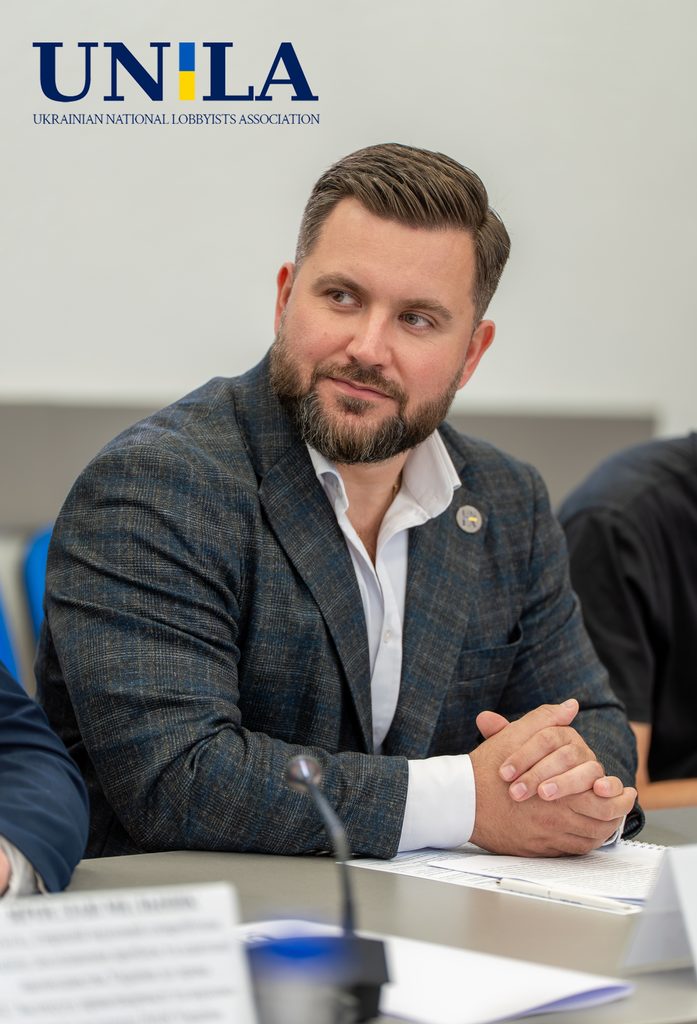
He also presented UNLA’s initiative to introduce a digital lobbyist ID in the “Diya” app. This should make it possible to quickly verify a lobbyist’s current status based on official data from the Transparency Register. The Ministry of Digital Transformation of Ukraine has already confirmed the technical feasibility of implementing such a service, provided that the concept is approved by the National Agency for Corruption Prevention (NACP).
The conference concluded with a decision that holds not only professional but also symbolic significance. The participants jointly endorsed the establishment of an annual “Lobbyist Day” to be celebrated on September 16. From now on, this date is intended to serve as a unifying moment for the professional community, an opportunity to take stock of the industry’s development, and to openly discuss standards, accountability, and the societal value of transparent advocacy.
The choice of this date underscores the transition of Ukrainian lobbying from a legislative definition to the development of its own professional tradition. Lobbyist Day is intended to serve as a reminder that integrity, professionalism, and trust must remain the foundation of this activity.
A career begins with an education
One of the central themes of the conference was the professional training of lobbyists. Lyudmyla Kozhura, Doctor of Law, professor, director of the Law Institute at the Vadym Hetman Kyiv National Economic University (KNEU), and rector of the Higher School of Lobbying, spoke about the need to create a comprehensive educational system.
According to the data she provided, as of August 31, 2026, 205 lobbying entities had been entered into the Transparency Registry, of which 167 had active status. The Registry already contained information on more than 900 regulatory acts and more than 1,500 interactions between lobbyists and public officials. During the second reporting campaign, the number of lobbying issues more than doubled, while the number of clients and beneficiaries more than tripled.
These figures show that the market is already taking shape. However, registration in the Transparency Registry does not in itself confirm professional competence. A lobbyist must understand the law, economics, and public policy; be able to analyze regulatory impact; work with stakeholders; articulate a position; and adhere to ethical boundaries.
That is precisely why the educational model must be multi-level—ranging from basic courses to professional certification, university-level courses, master’s programs, and continuing professional development. The focus should not be on the number of lectures attended, but rather on the ability to prepare an analytical report, a stakeholder map, a draft regulatory amendment, a plan for a transparent campaign, and proper reporting.
Transparency should become a daily practice
Yana Tsymbalenko, a member of the Board of Trustees and the Association’s anti-corruption officer, presented UNLA’s anti-corruption initiatives.
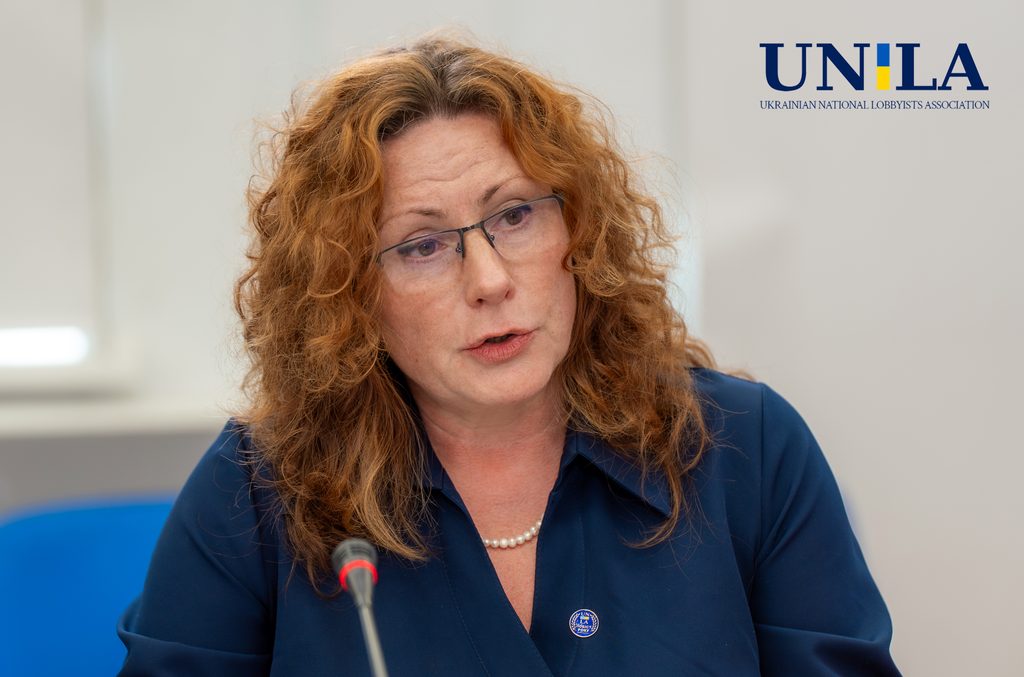
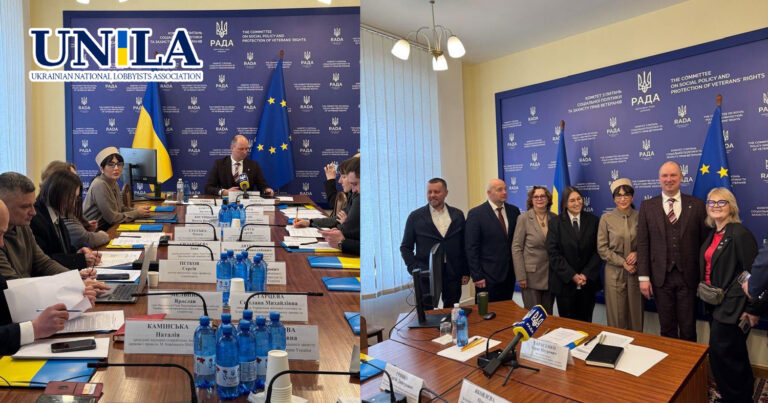
With the participation of a representative from UNLA, an assessment of corruption risks at the Ministry of Social Policy, Family, and Unity of Ukraine identified the risk of unlawful influence by lobbyists on the ministry’s employees. The proposed response measures were included in the Ministry’s Anti-Corruption Program for 2026–2028.
Violetta Sukhanova, a member of the UNLA Ethics Council, spoke about the practical aspects of the interaction between lobbyists and members of parliament. Over the course of the year, the Association prepared a Roadmap for Interaction between “Lobbyists and Members of the Ukrainian Parliament,” as well as recommendations on communicating with local councils and other local government bodies.
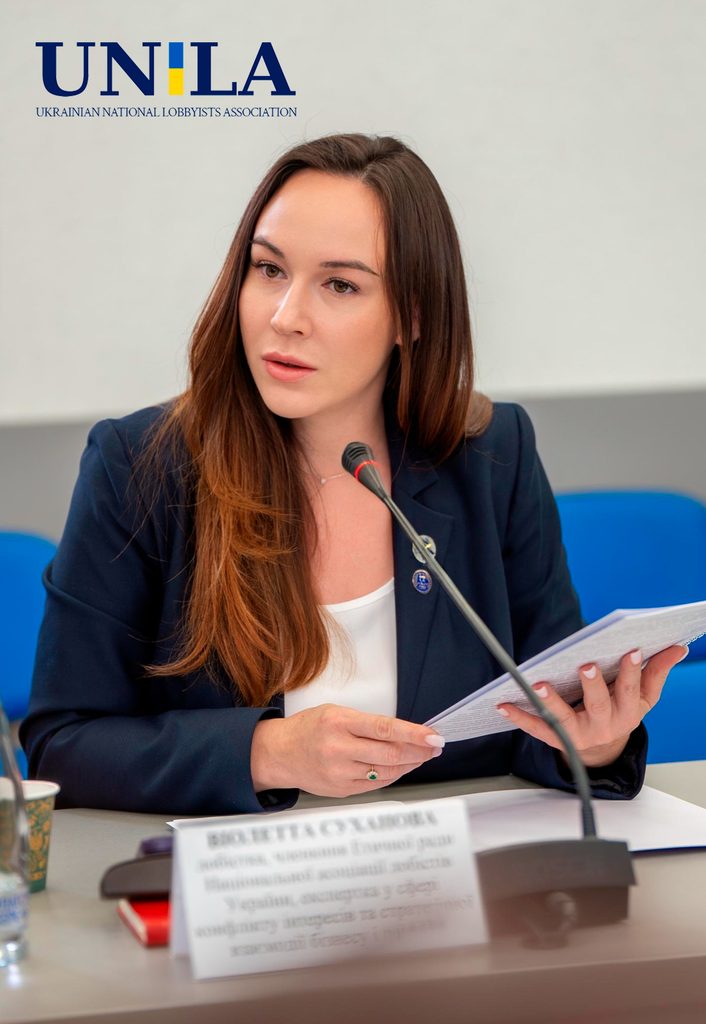
Their task is to ensure that professional contacts are transparent and properly documented, to guarantee equal access for stakeholders to the decision-making process, and to draw a clear line between legitimate representation of interests and informal influence.
The presentation by attorney and lobbyist Yevhen Stryzhak focused on legal and tax issues. One of the practical outcomes of the UNLA’s work was obtaining an official clarification from the State Statistics Service of Ukraine: lobbying services, according to KVED-2010, fall under class 70.21, “Public Relations Activities.” For this emerging market, this is an important guideline regarding state registration and the legal provision of services.
A Year of Tangible Results
The UNLA Annual Report confirms that the Association’s activities were not limited to expert discussions. Over the course of the year, work began on developing professional standards for lobbyists and GR professionals, and a model contract for lobbying services, roadmaps, and methodological guidelines for interacting with lawmakers and local government bodies were prepared.
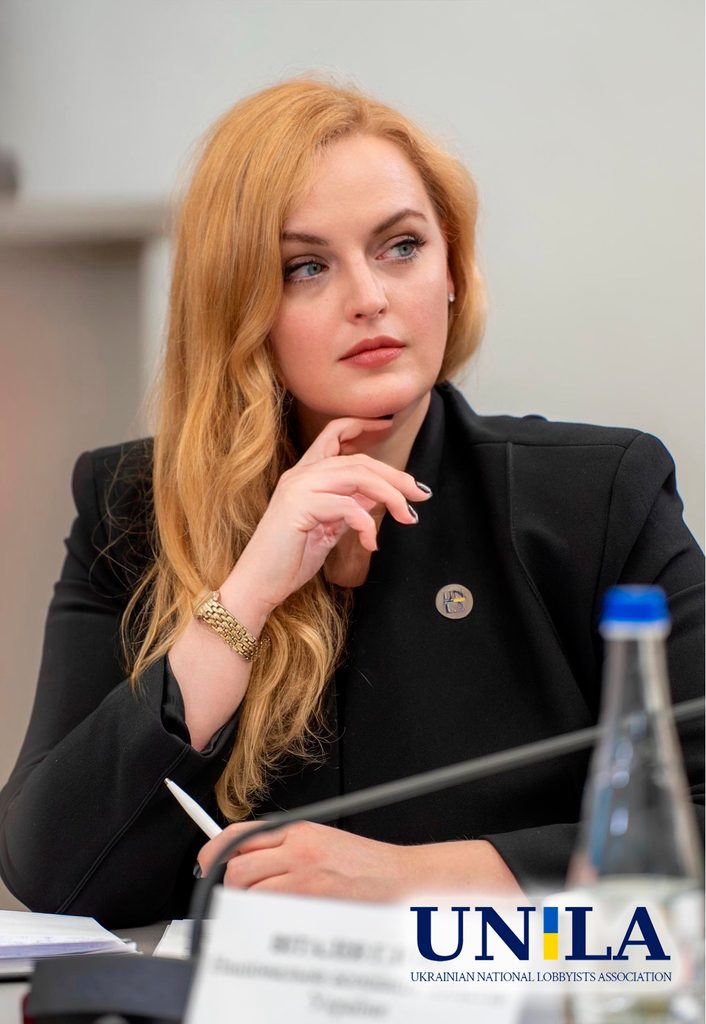
The association contributed to improving legislation, addressing issues related to reporting and taxation, supported the launch of the specialized analytical portal lobbyst.com.ua, and began developing a regional network and international partnerships.
Participation in socially significant initiatives has become a separate area of focus—ranging from developing a mechanism for the pretrial settlement of tax violations to drafting proposals regarding preferential importation of vehicles for military personnel and veterans.
Awards for Contributions to the Development of the Institute of Lobbying
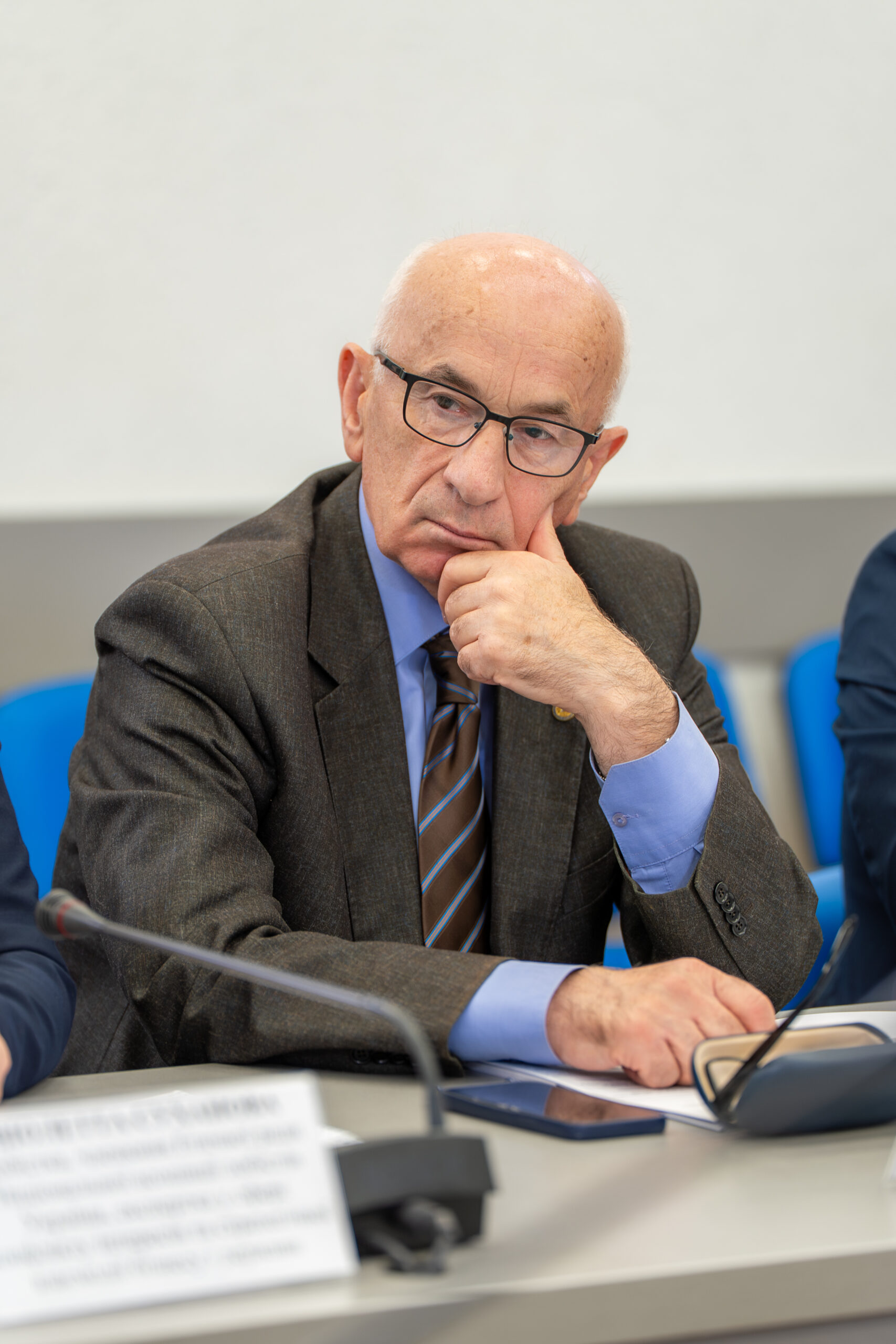
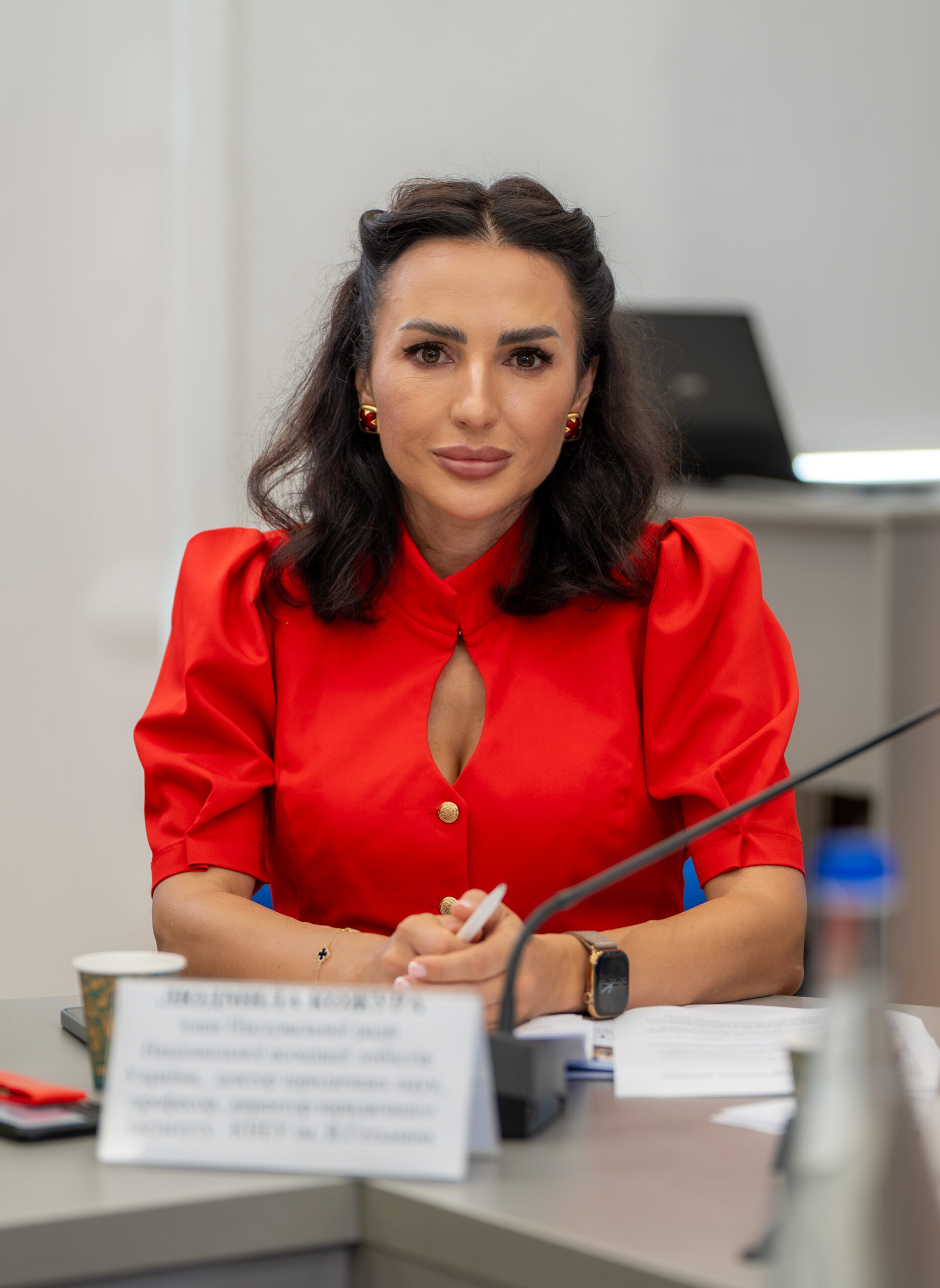
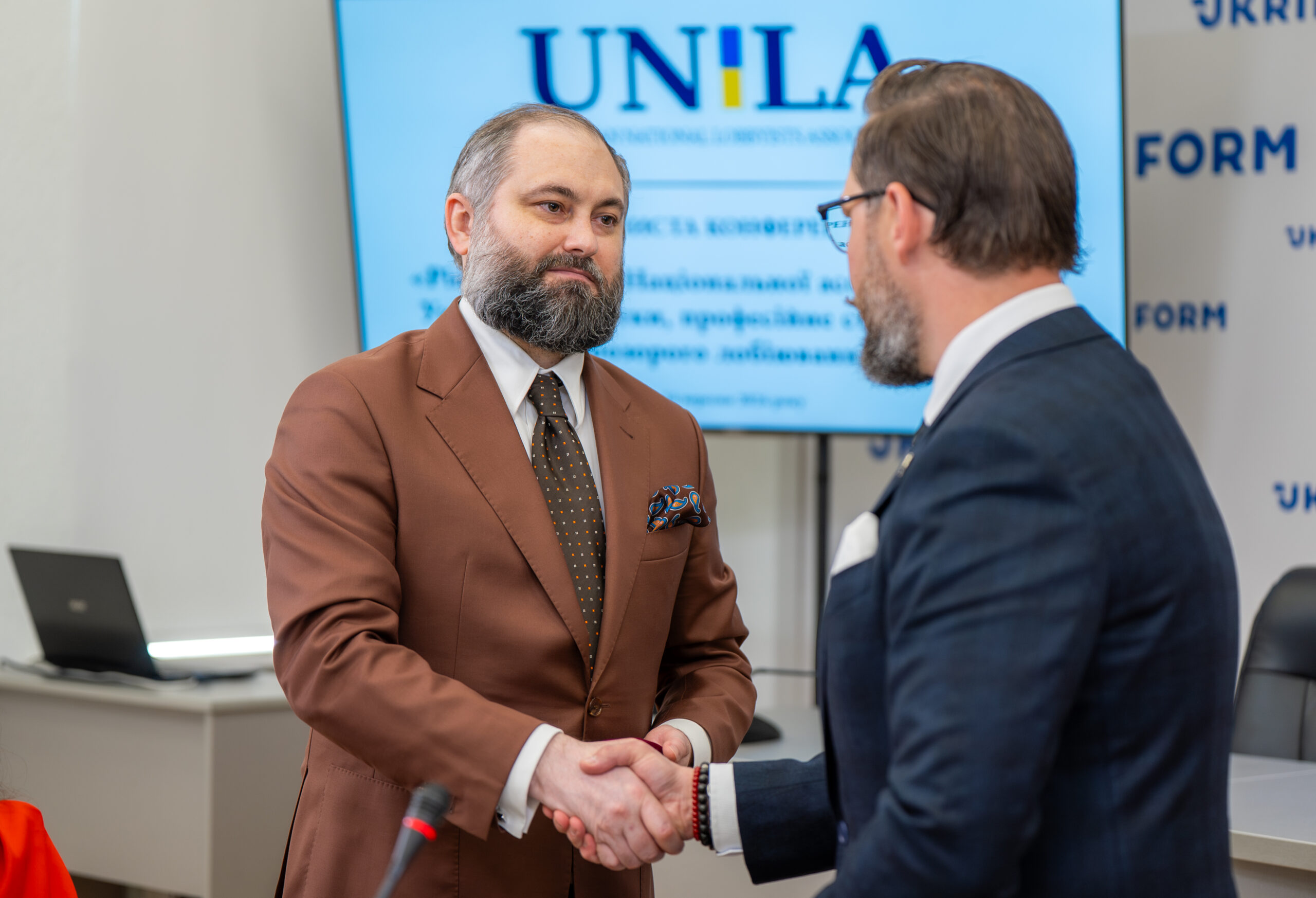
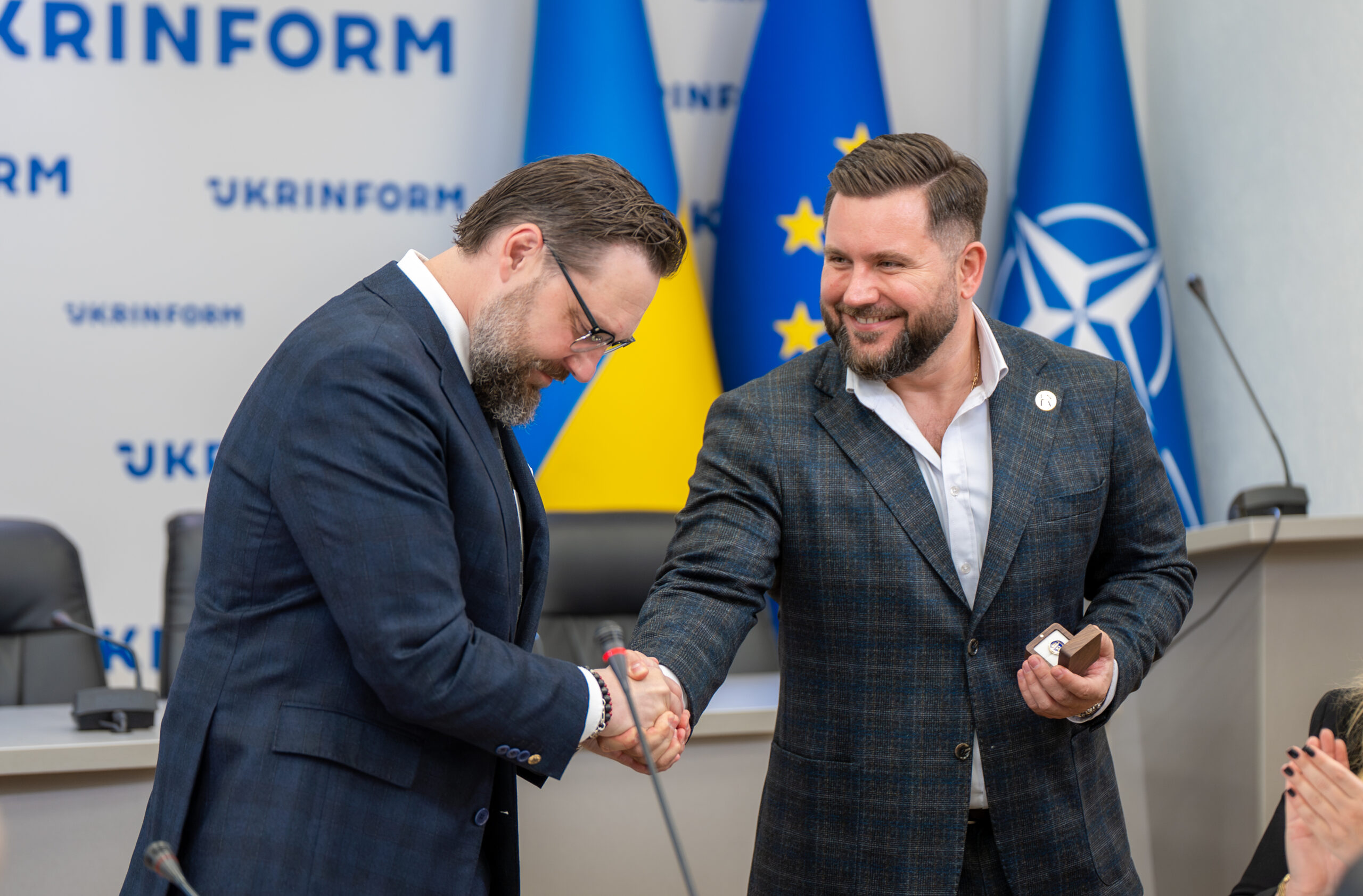
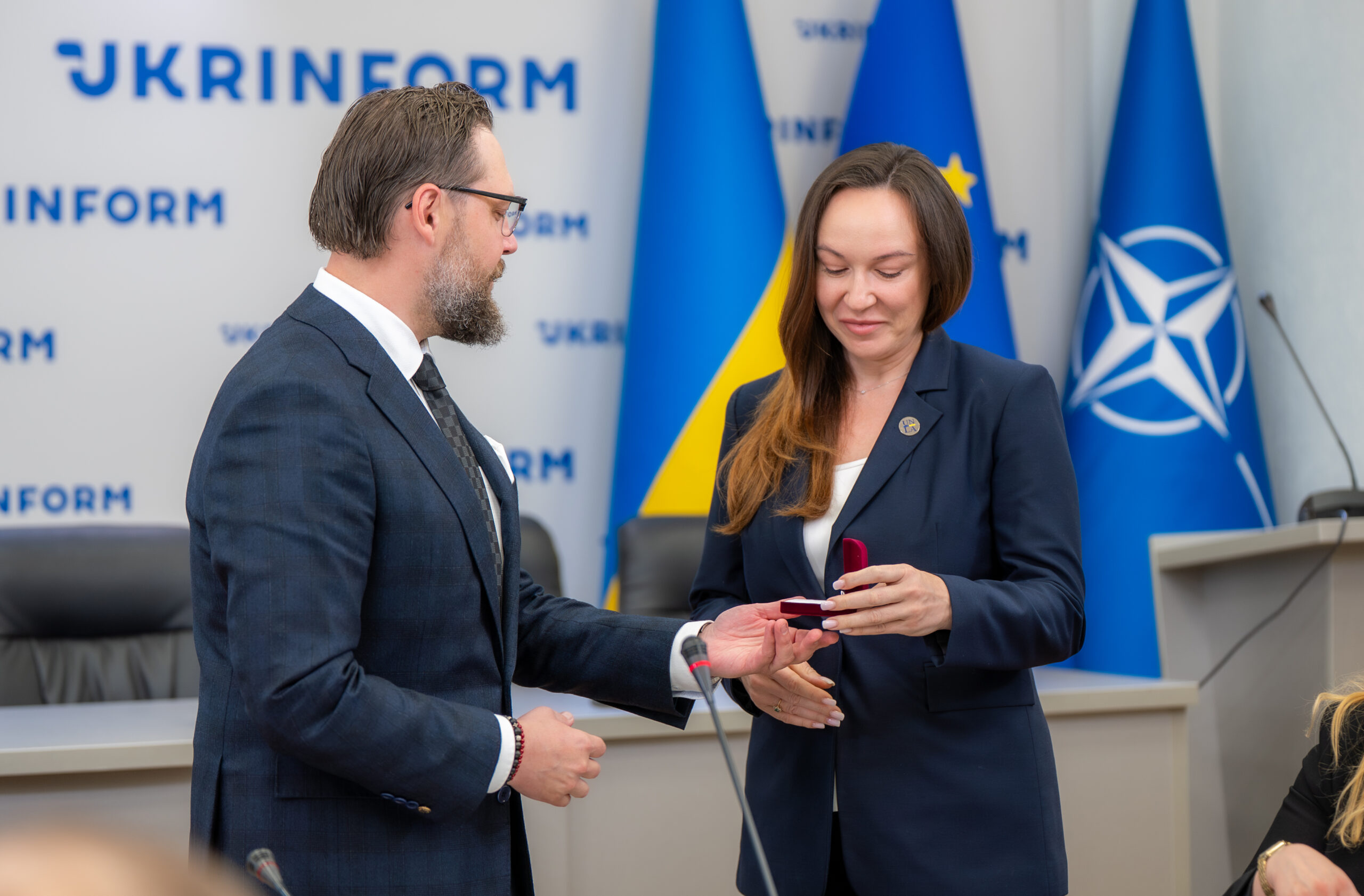
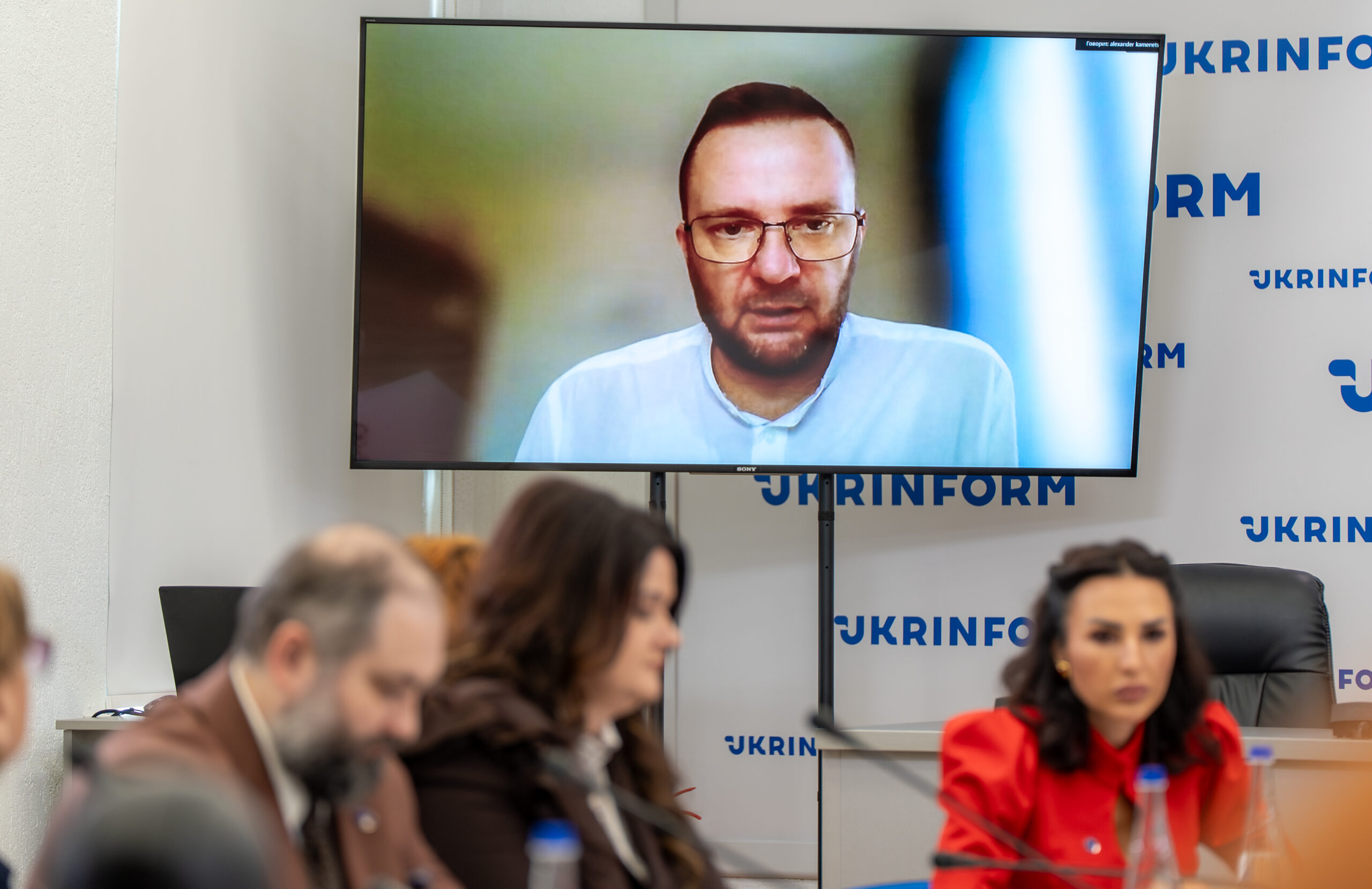
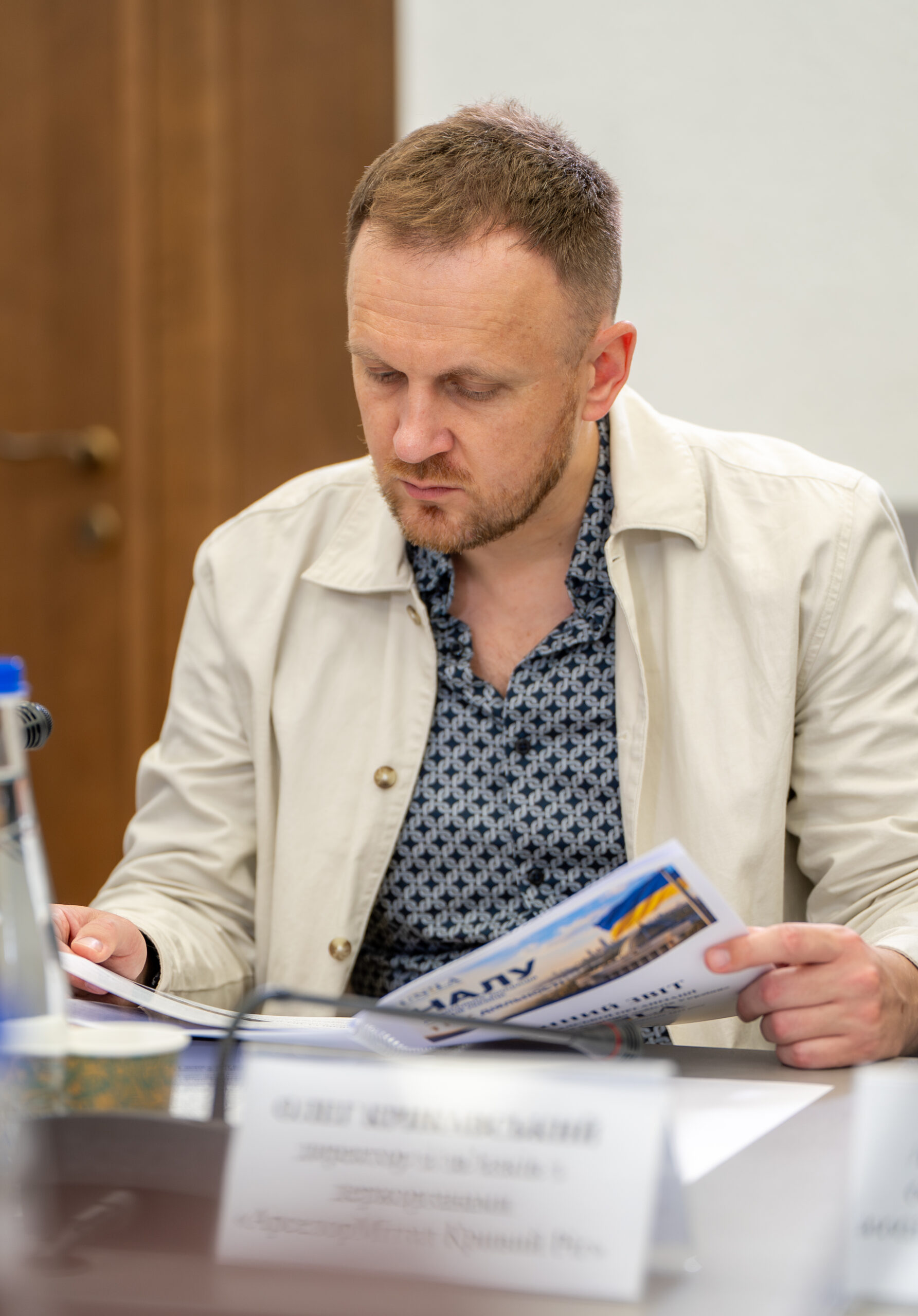
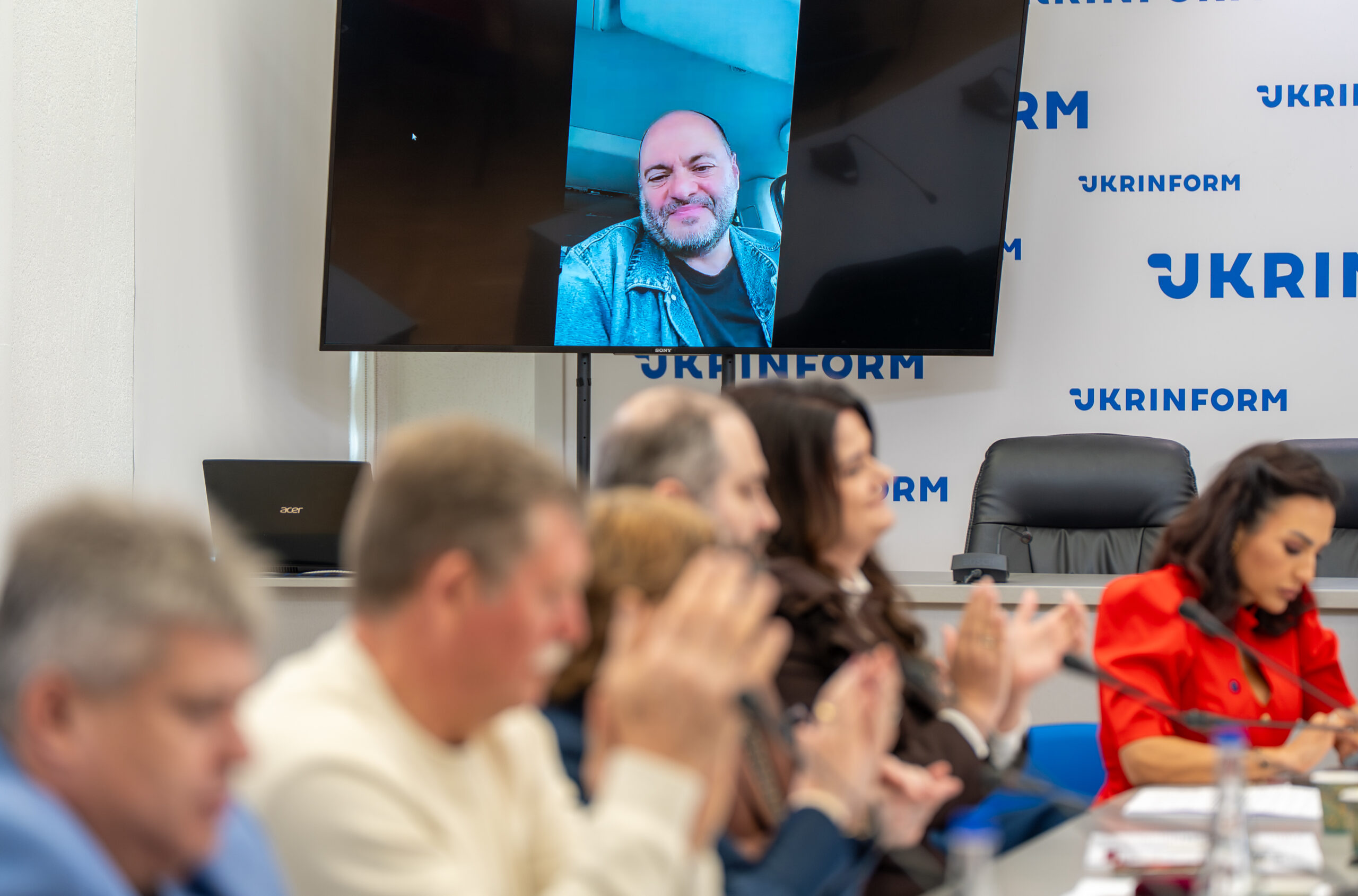
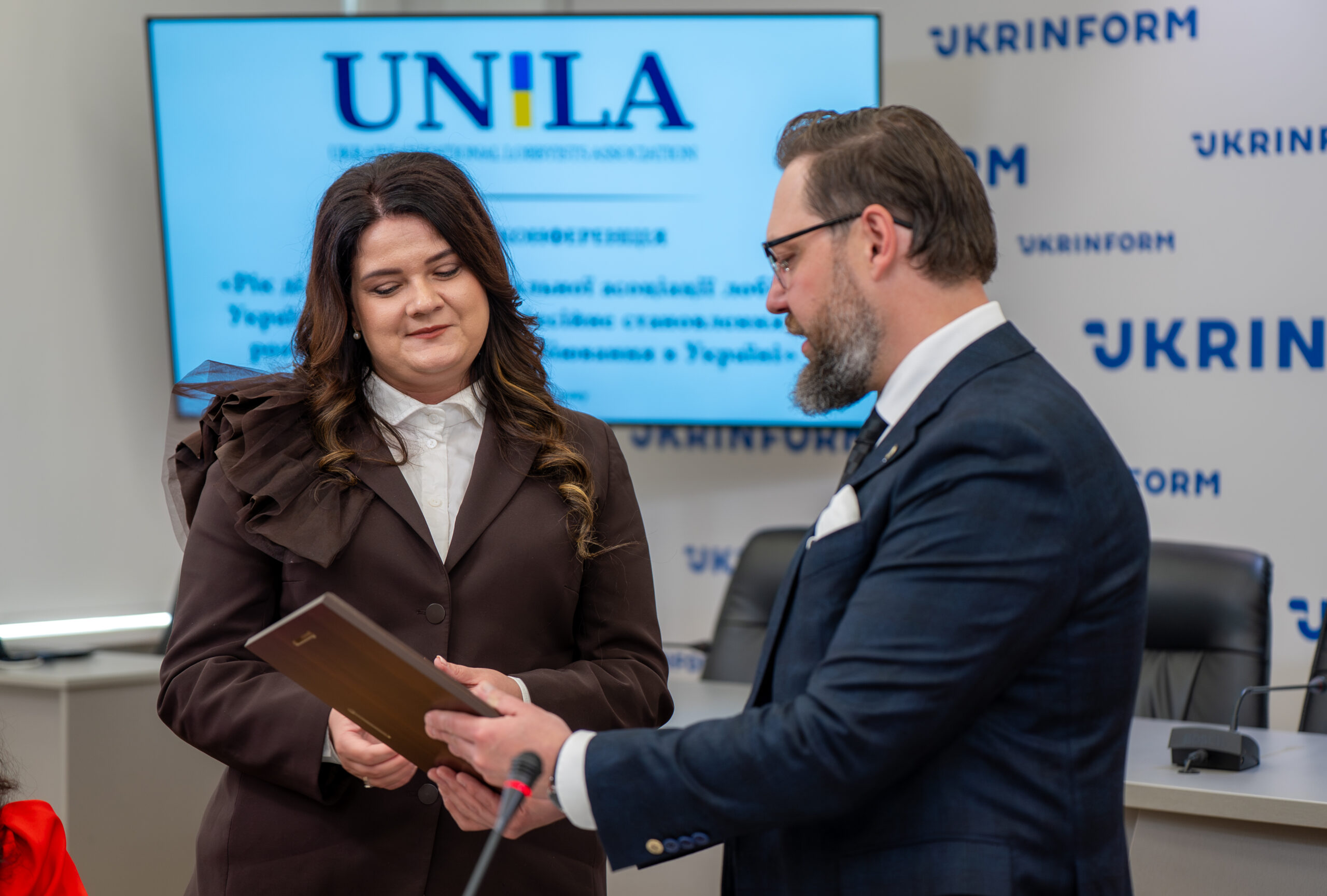
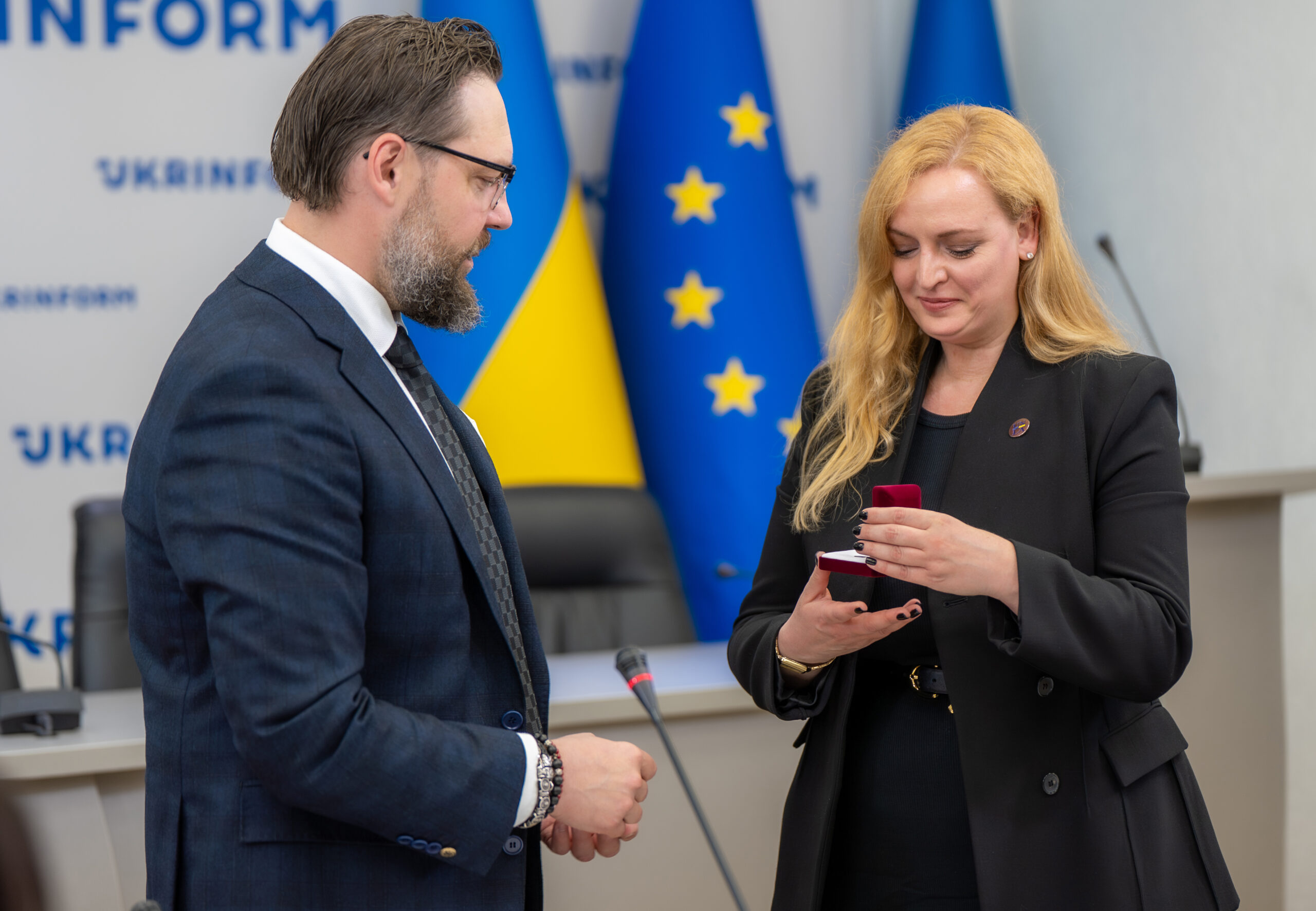
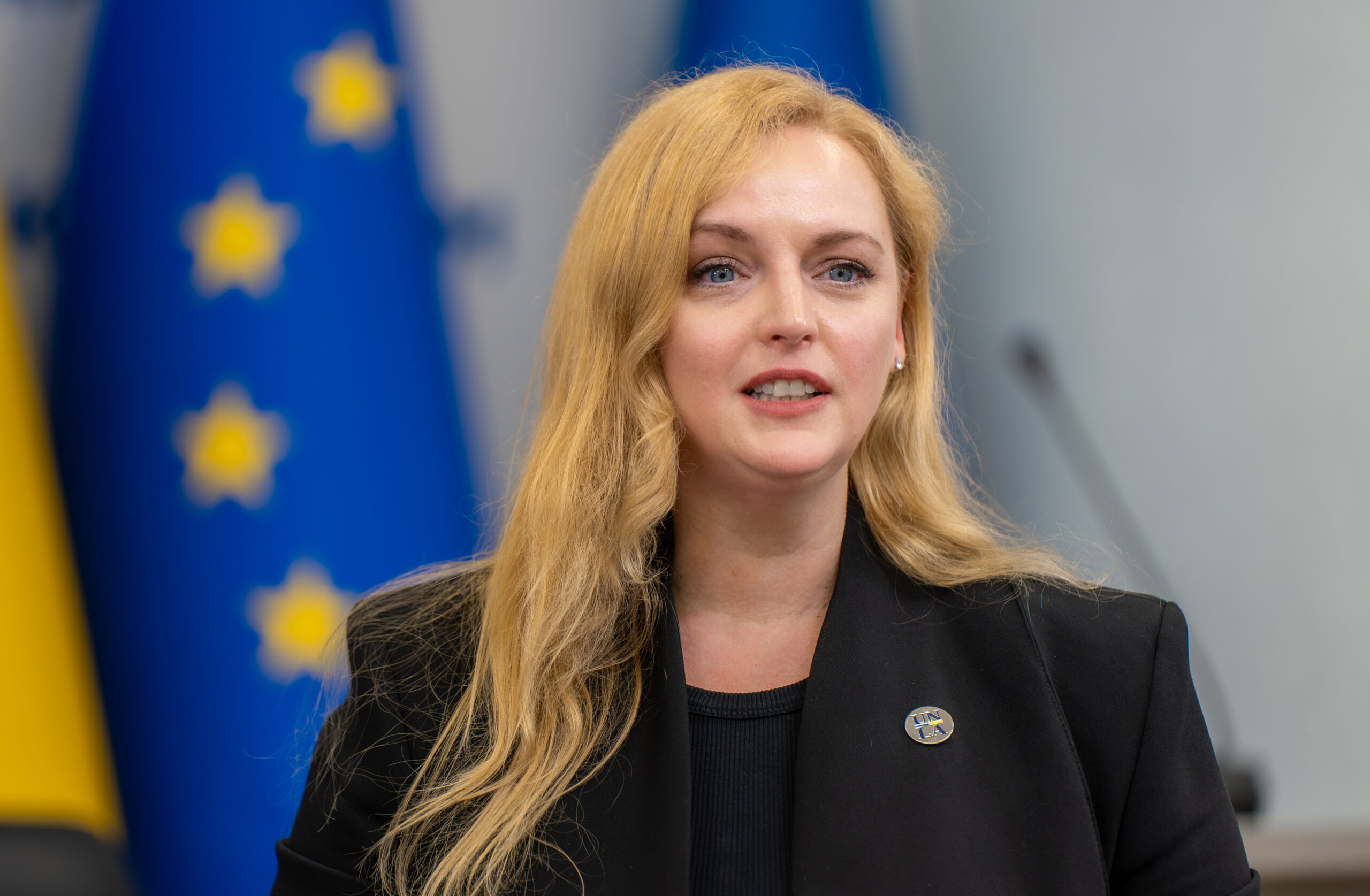
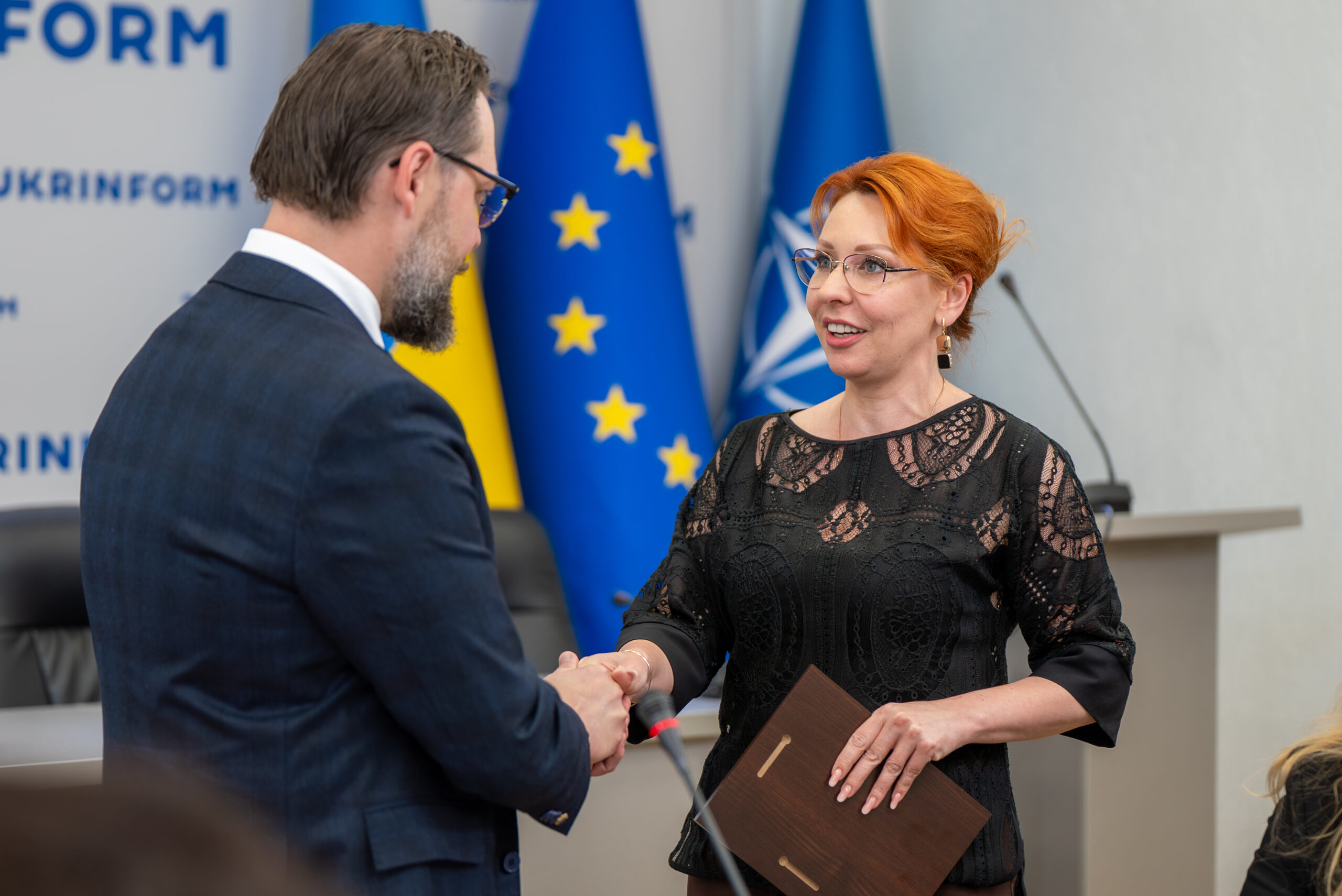
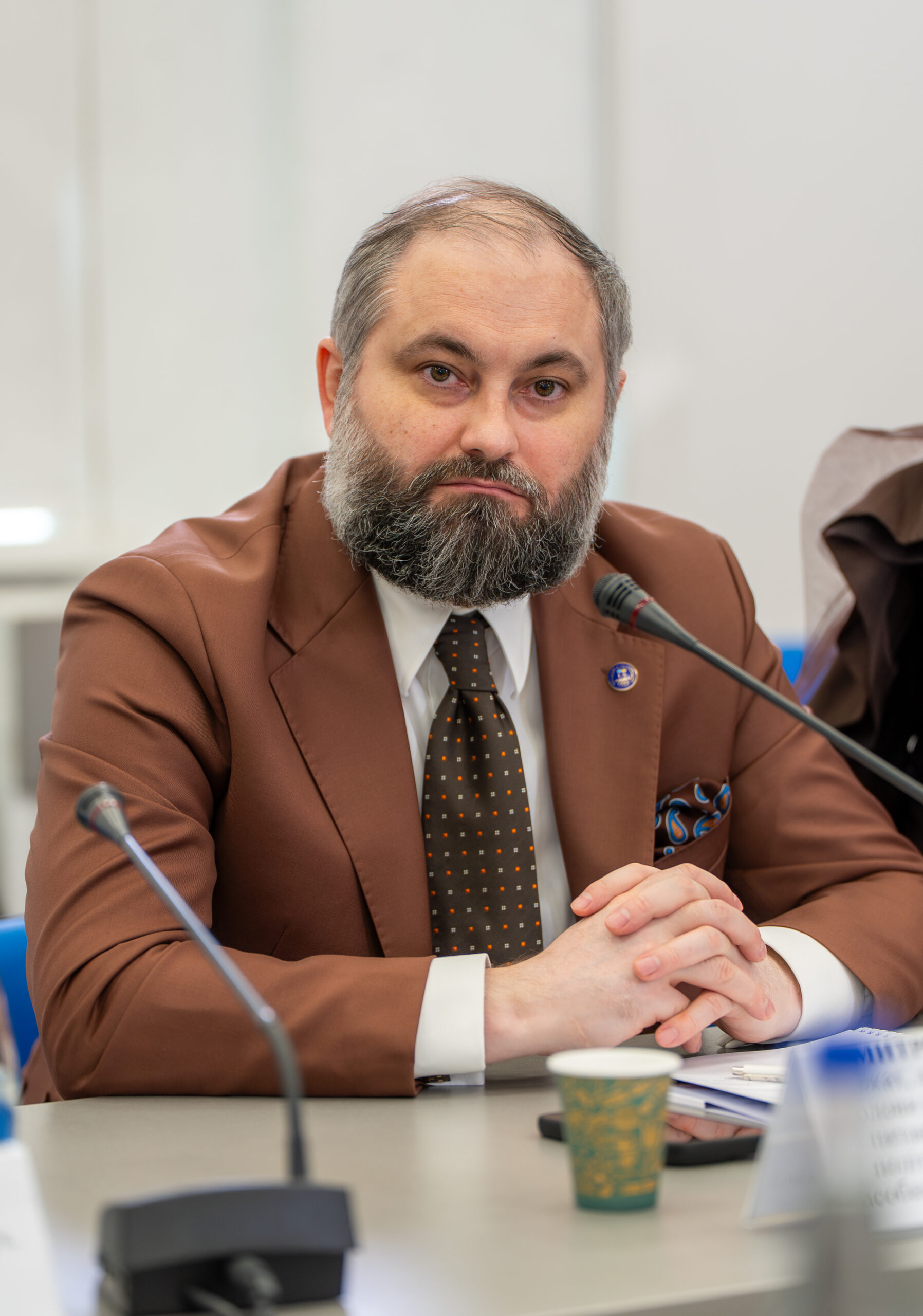
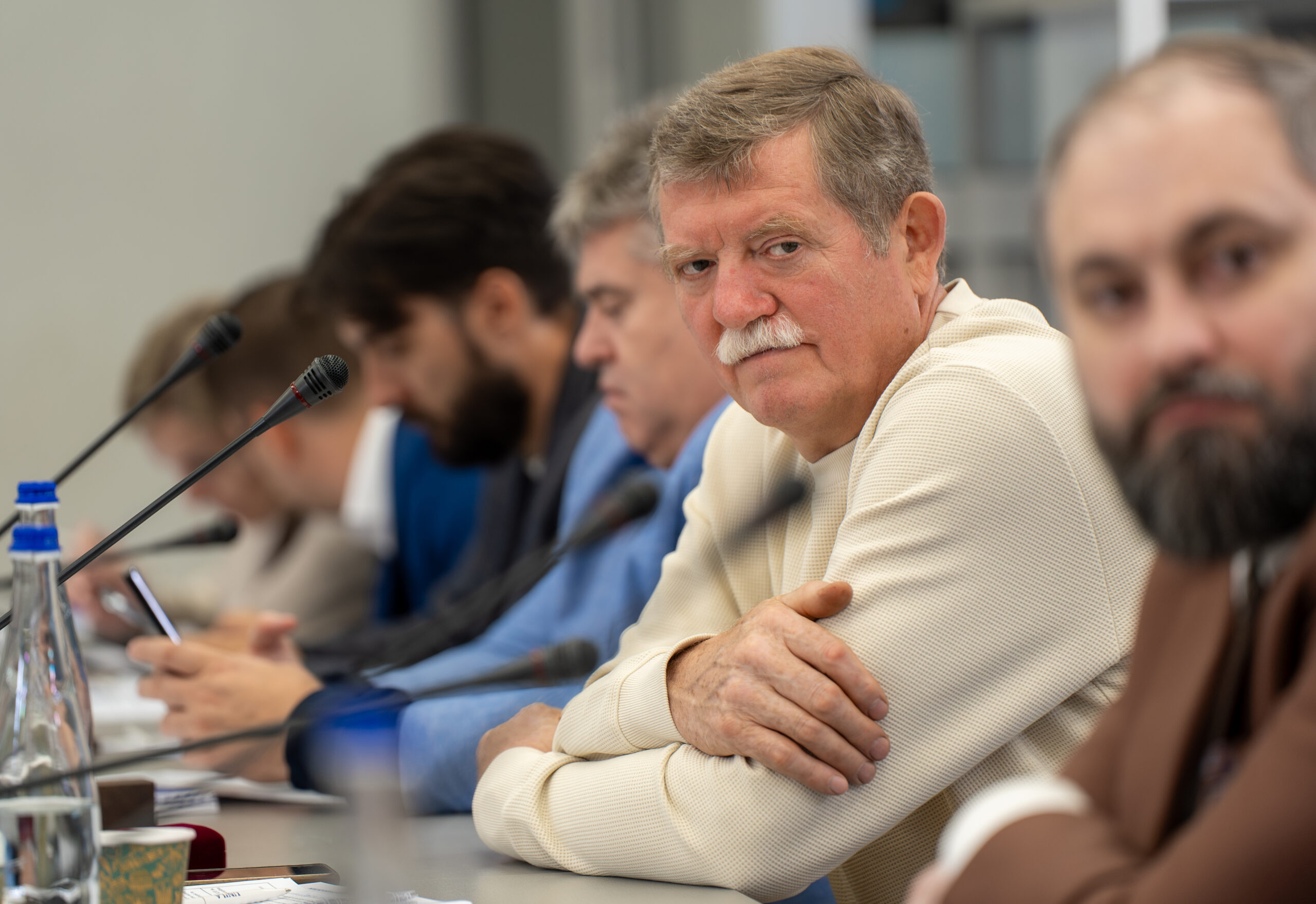
A highlight of the conference was the presentation of honorary badges. The recipients were representatives of the professional, legal, academic, and business communities who have made significant contributions to the development of the lobbying industry, the establishment of its professional foundations, and the promotion of the principles of transparency and integrity.

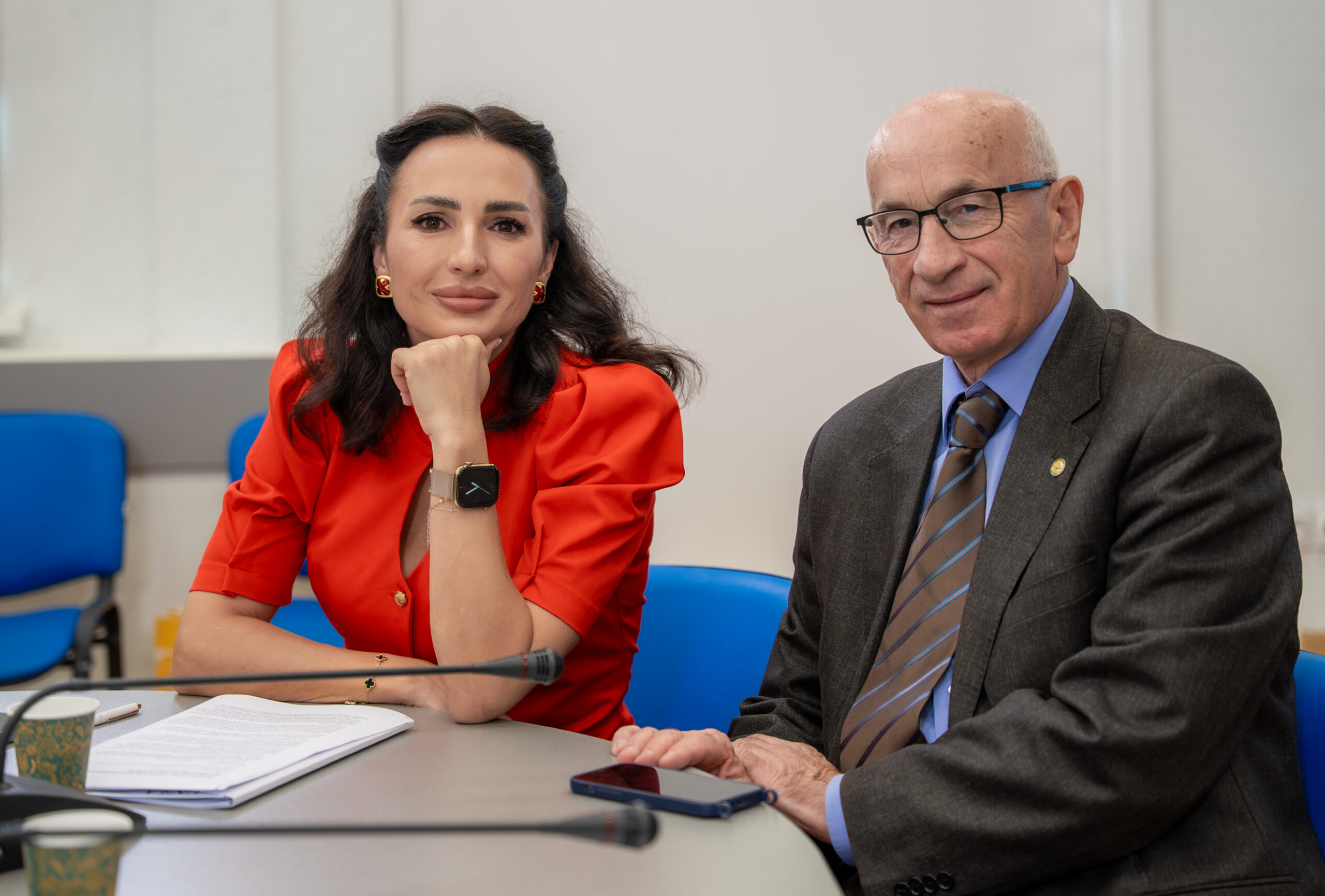
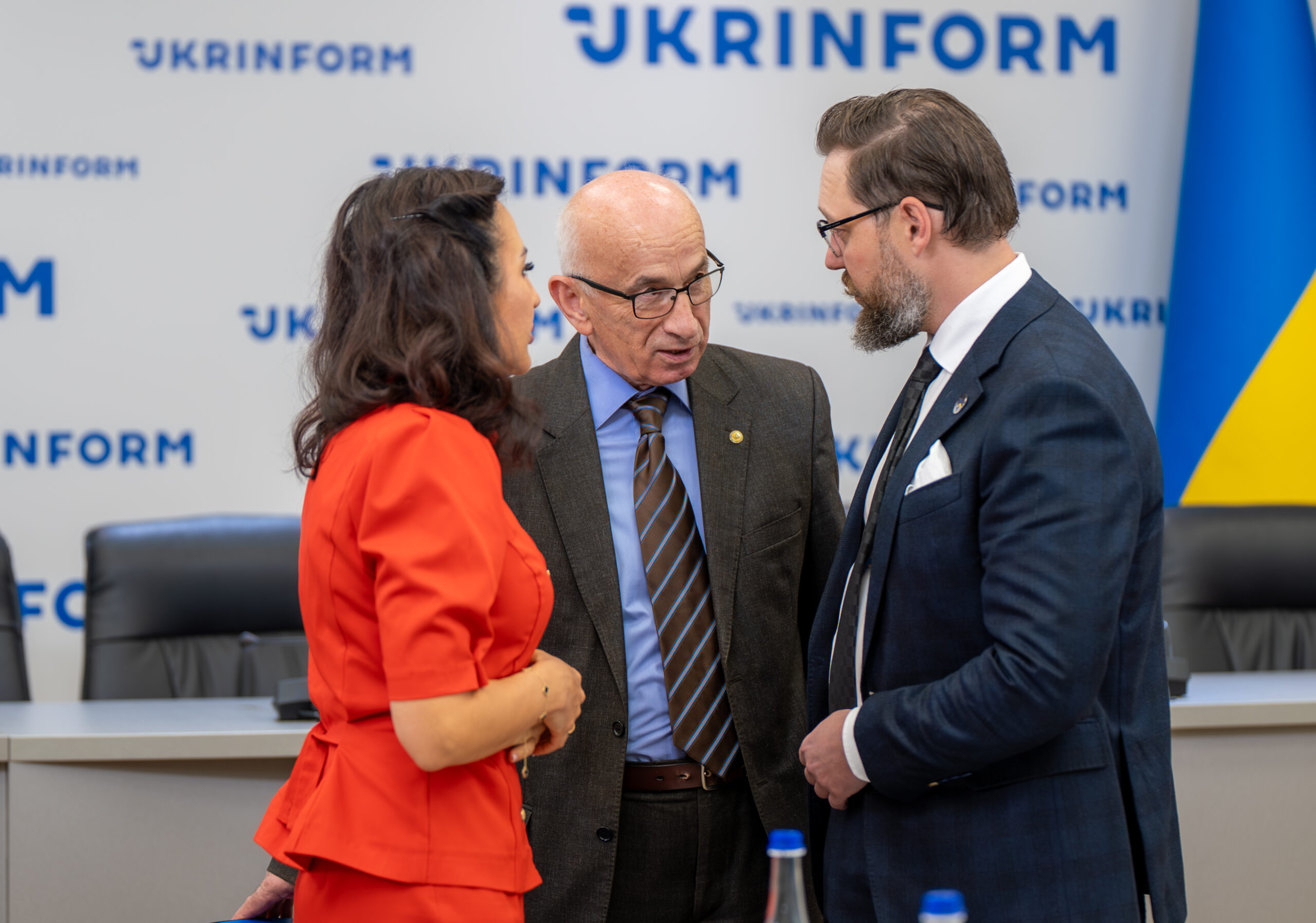
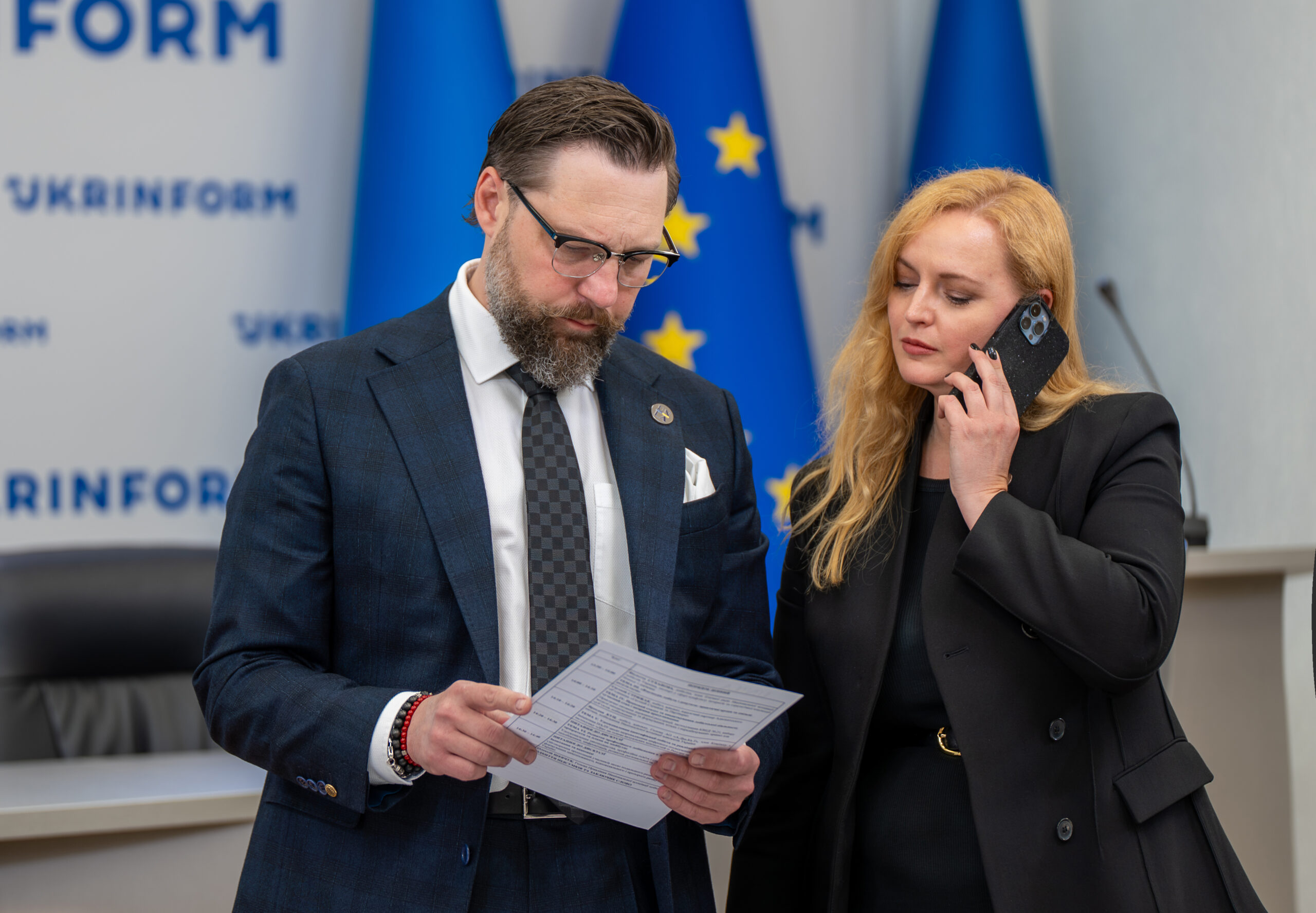
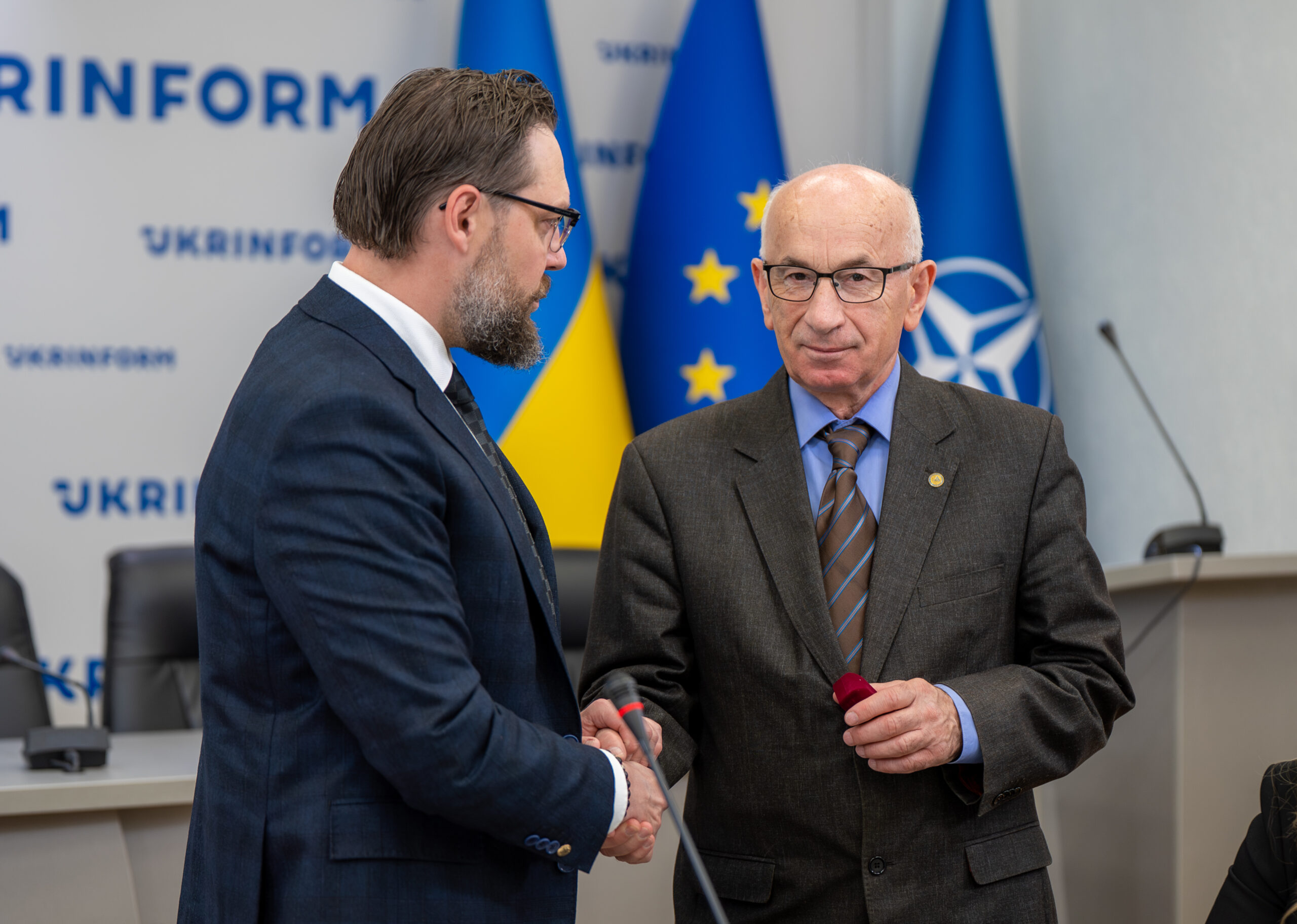
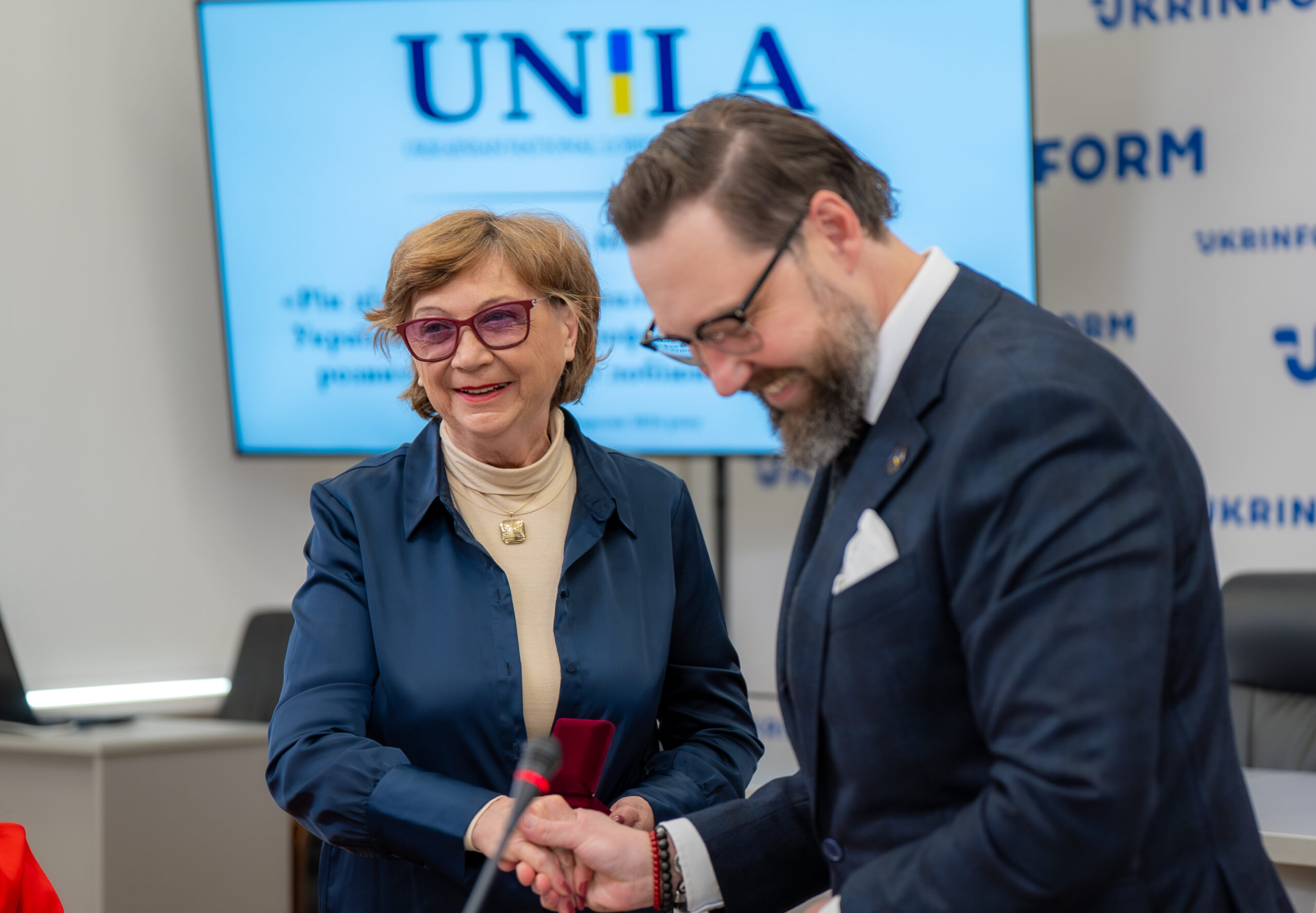
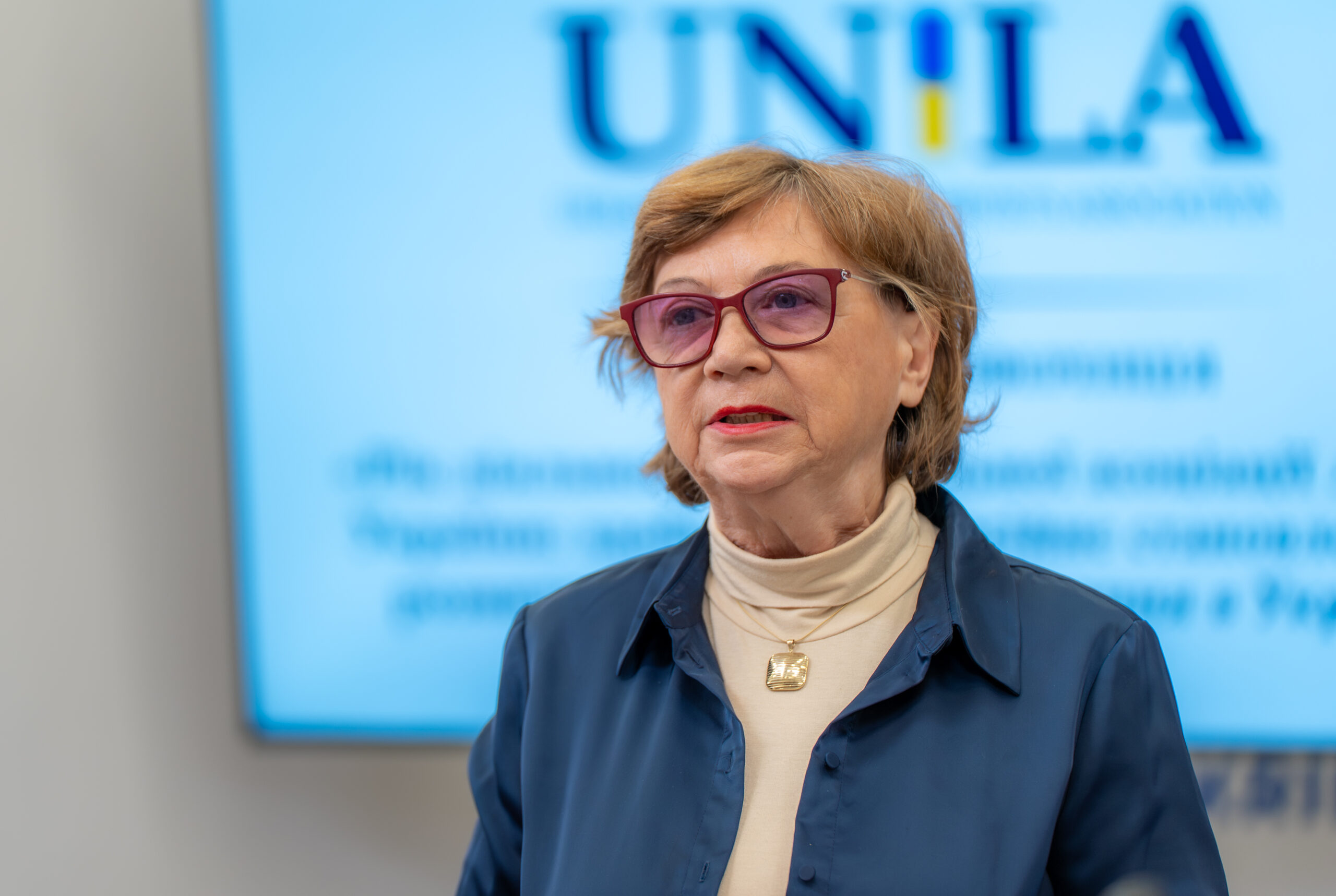
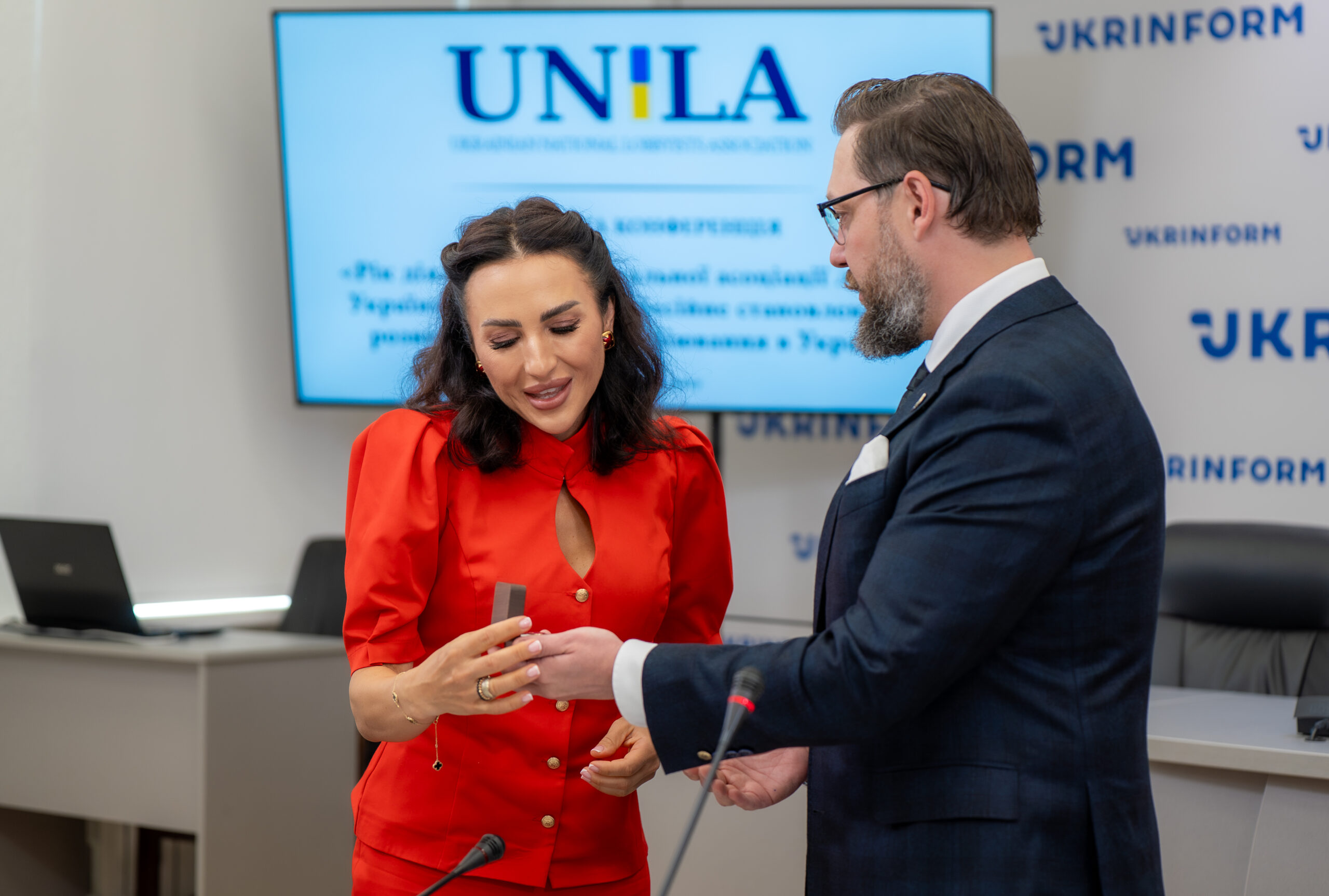
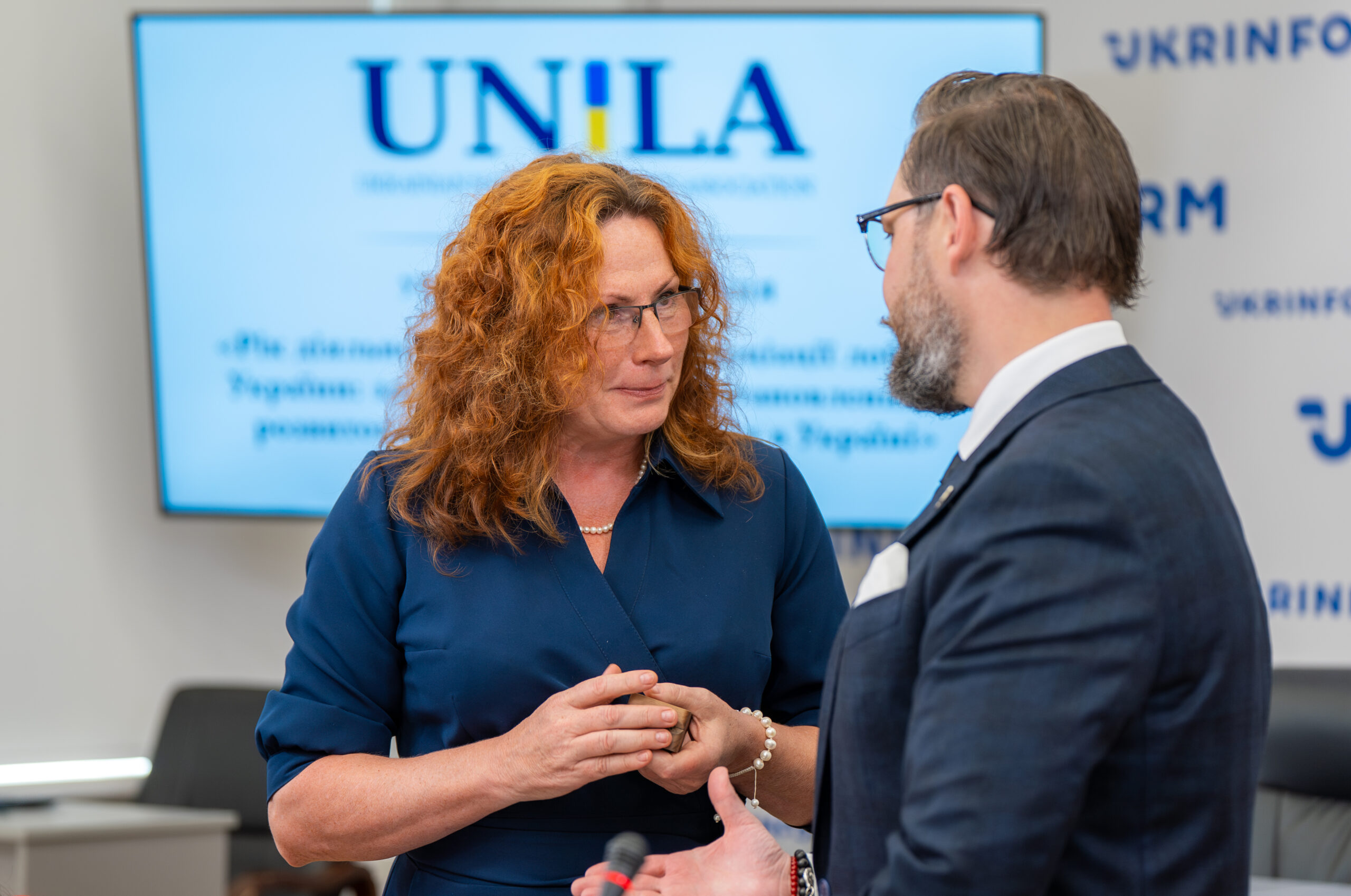
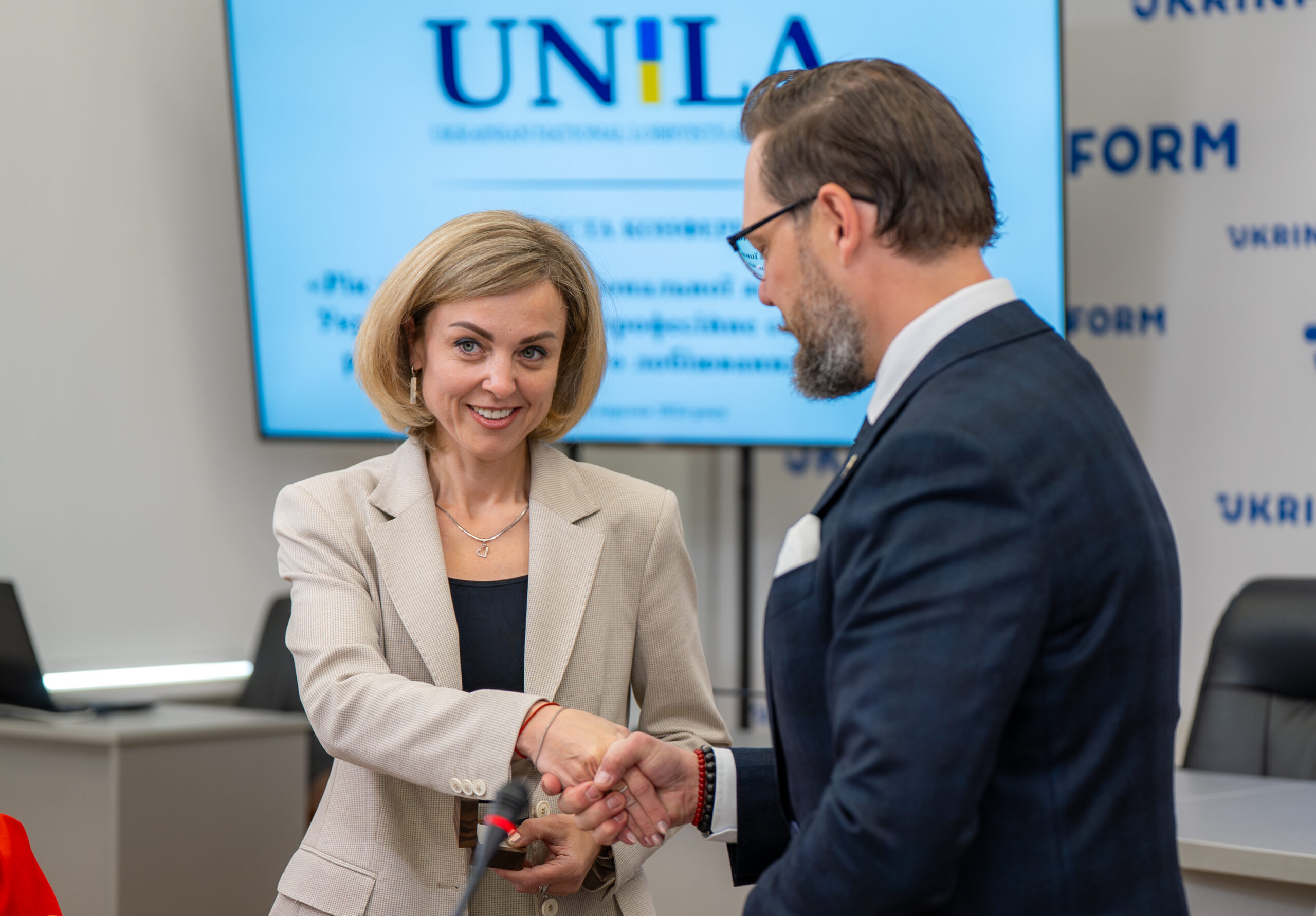
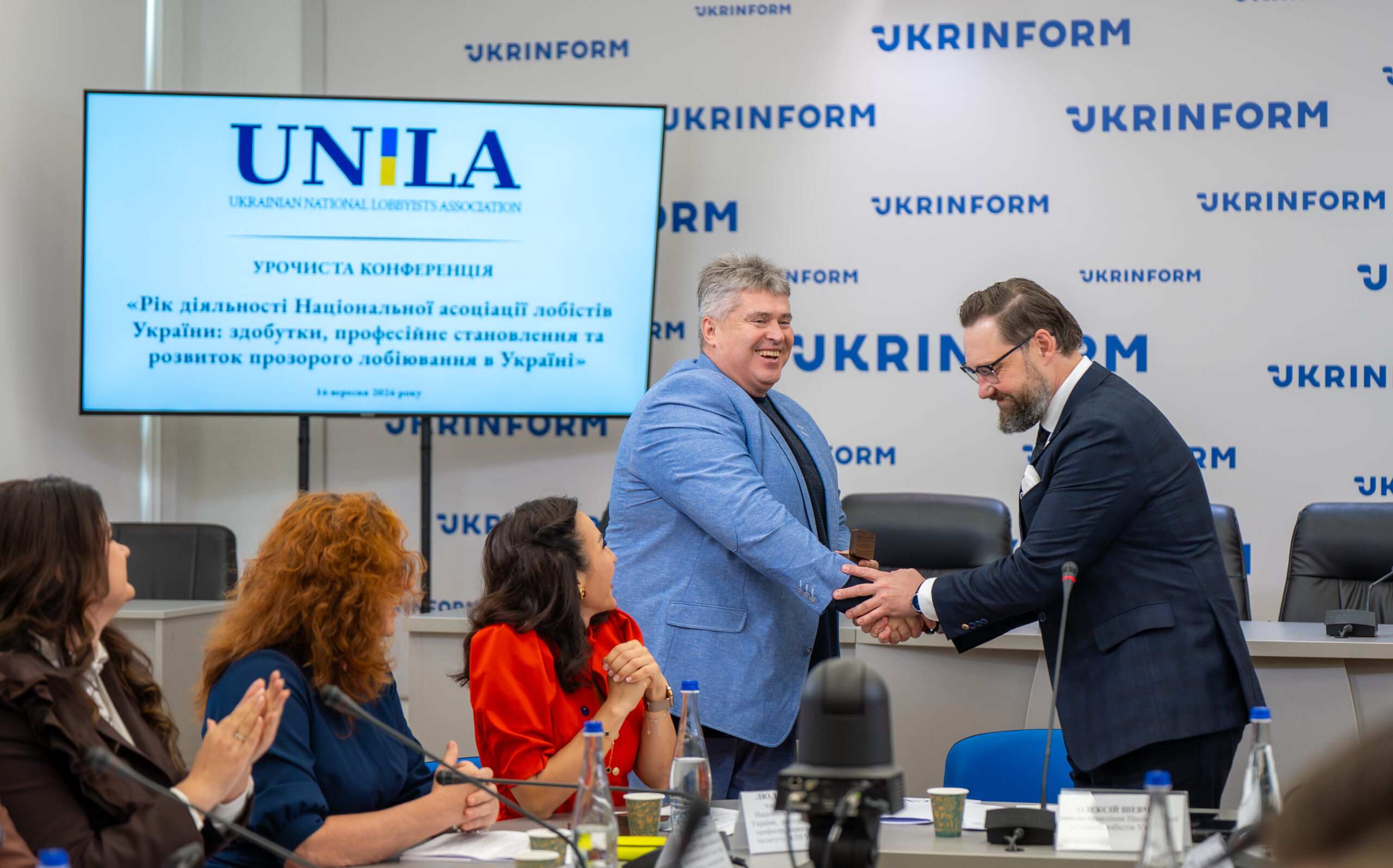
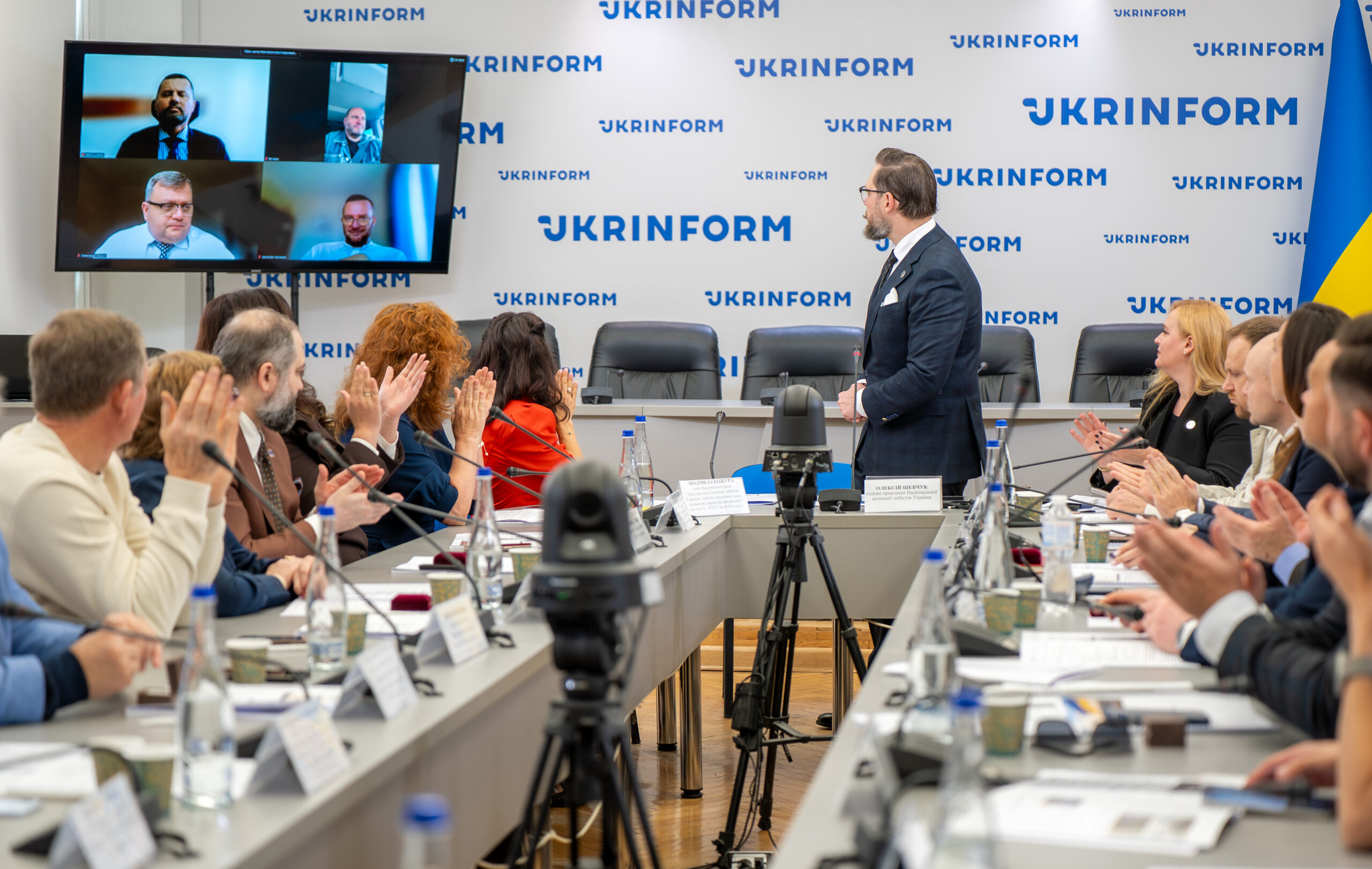
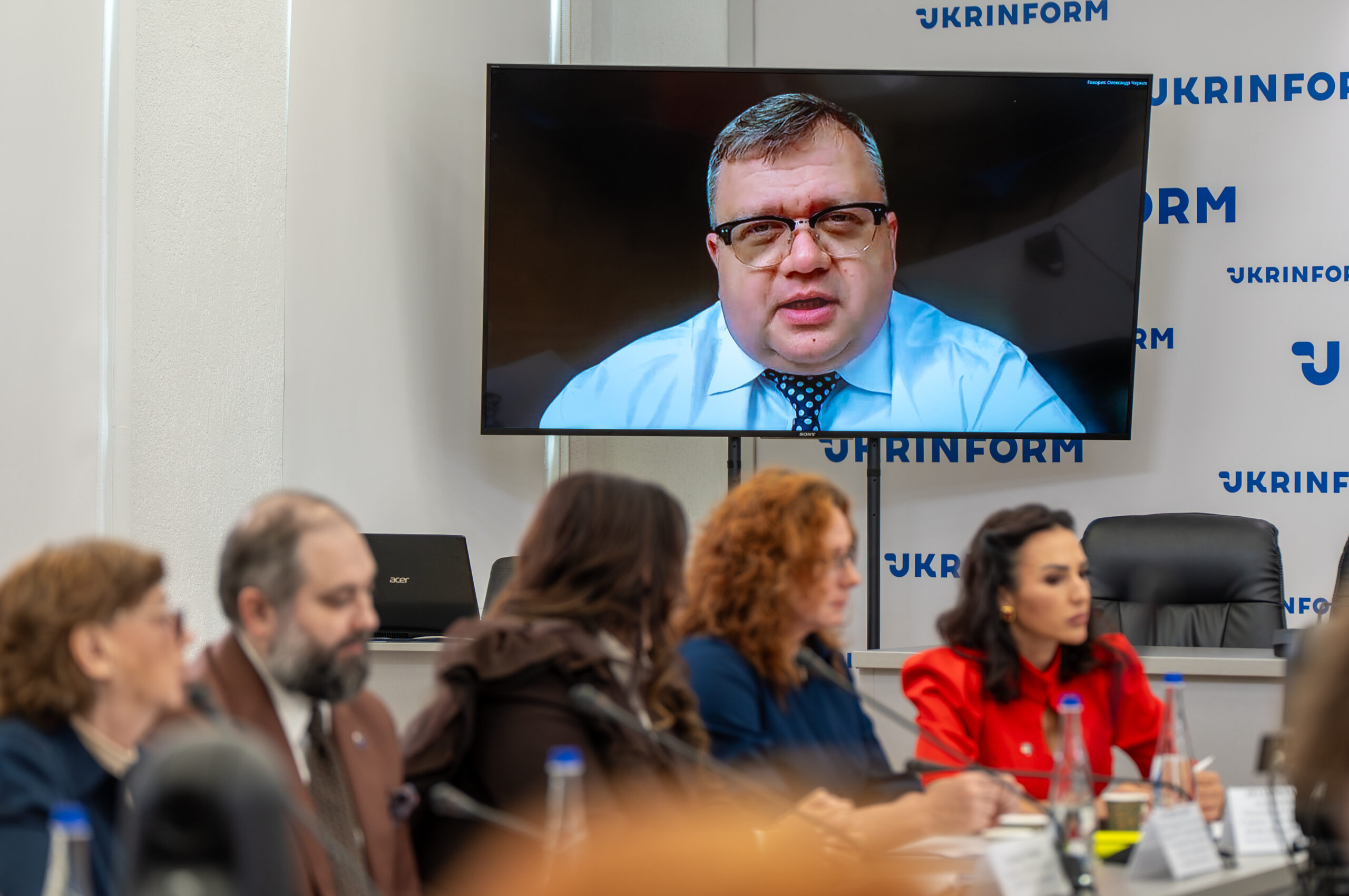
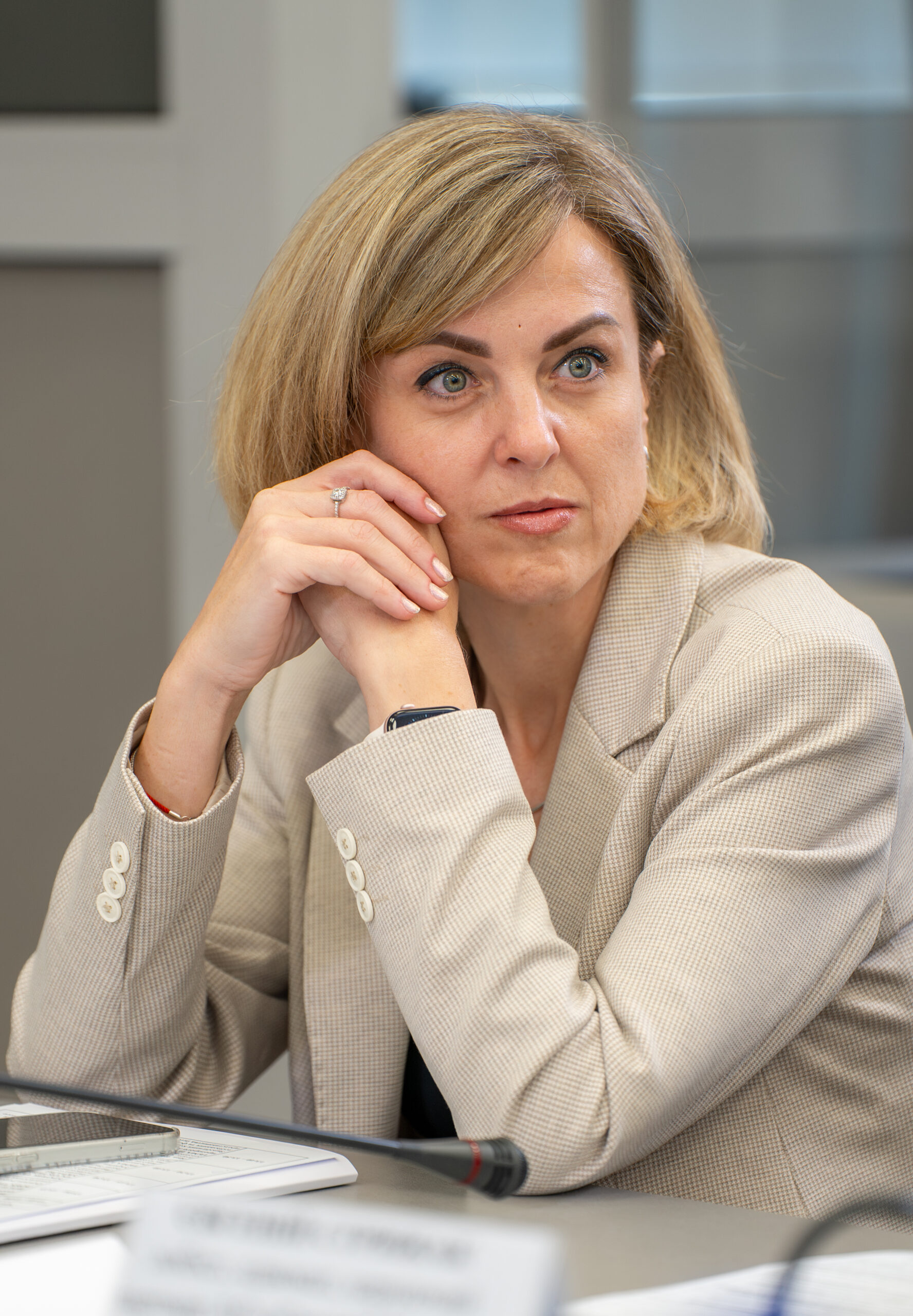

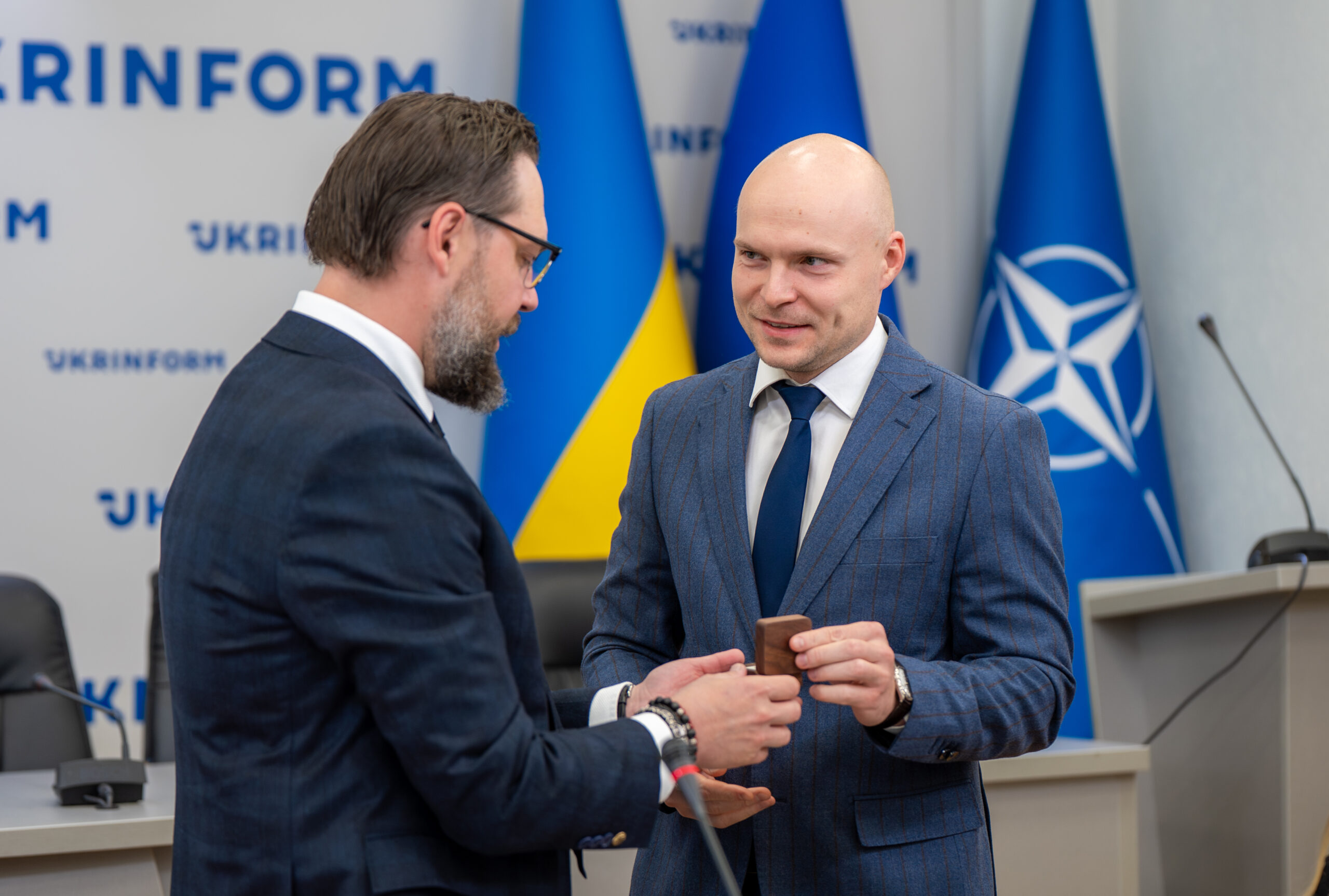
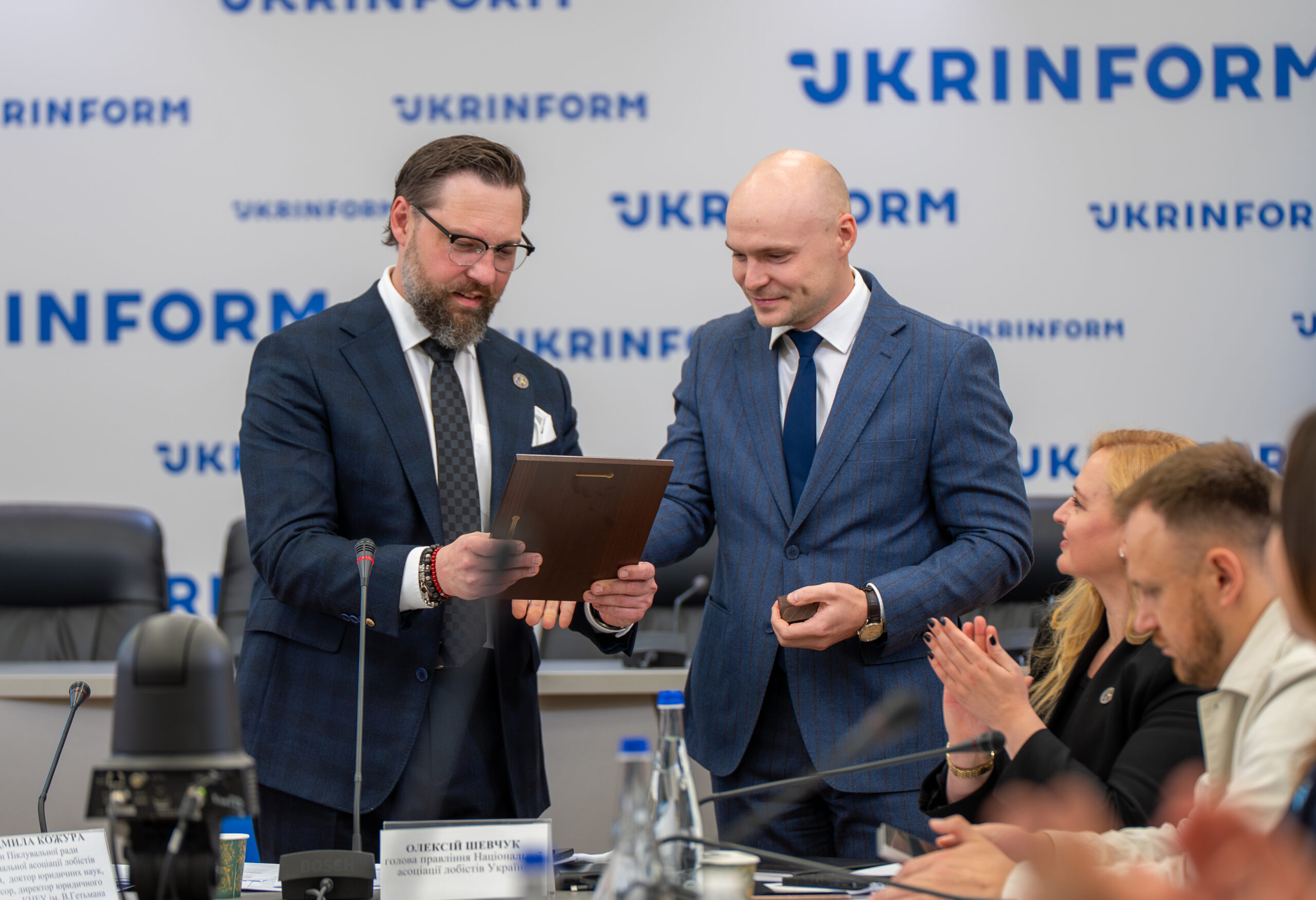
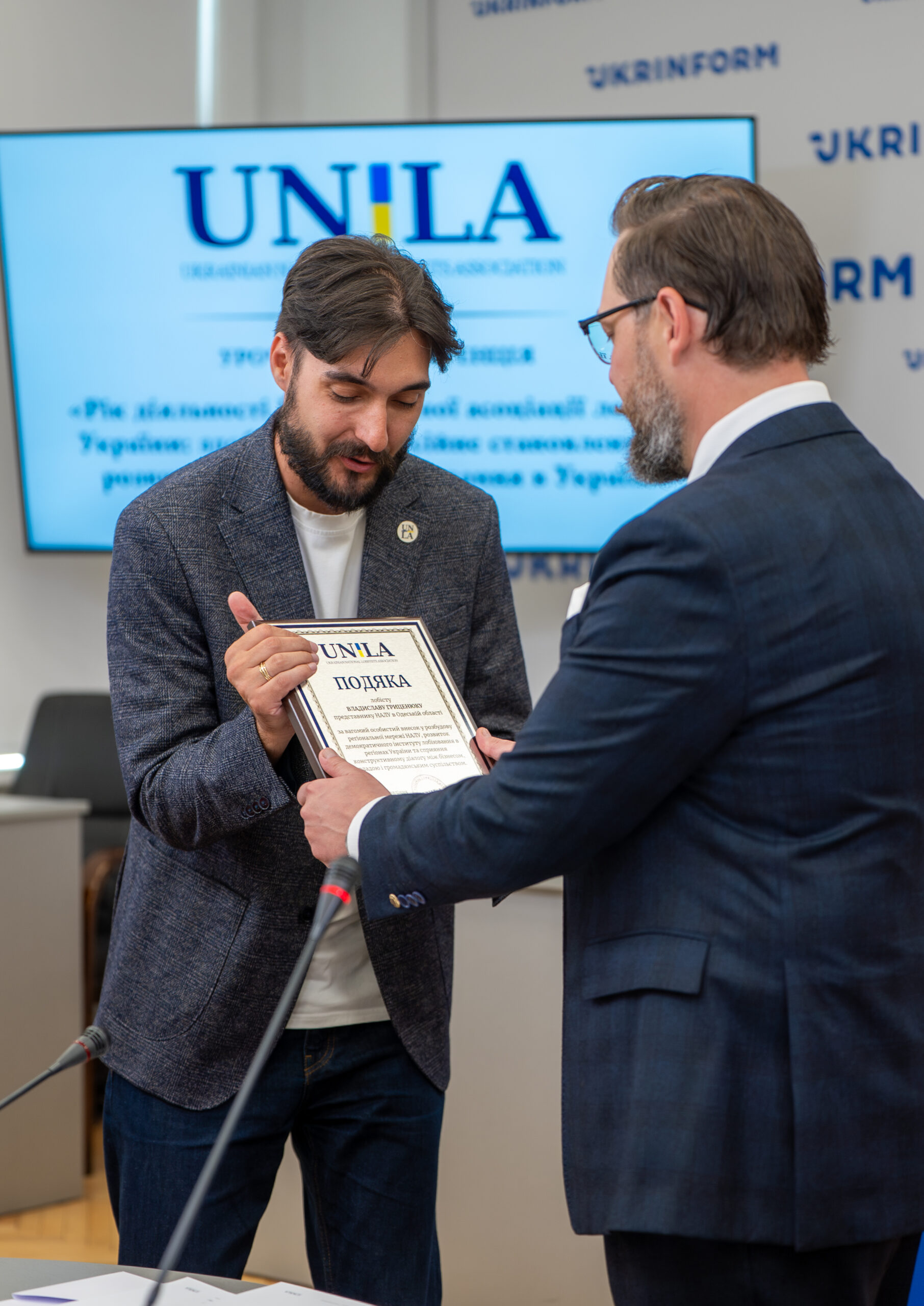
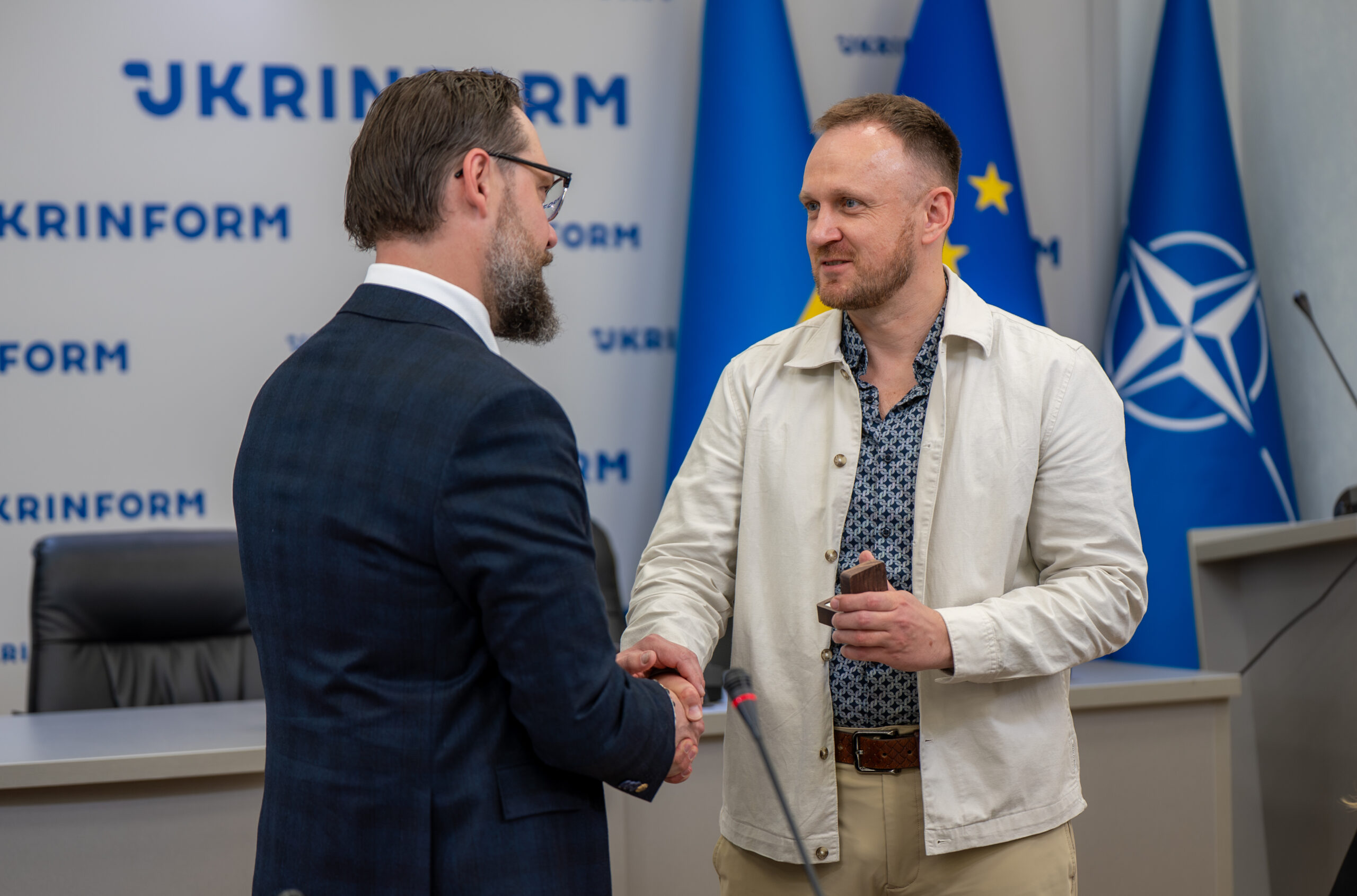
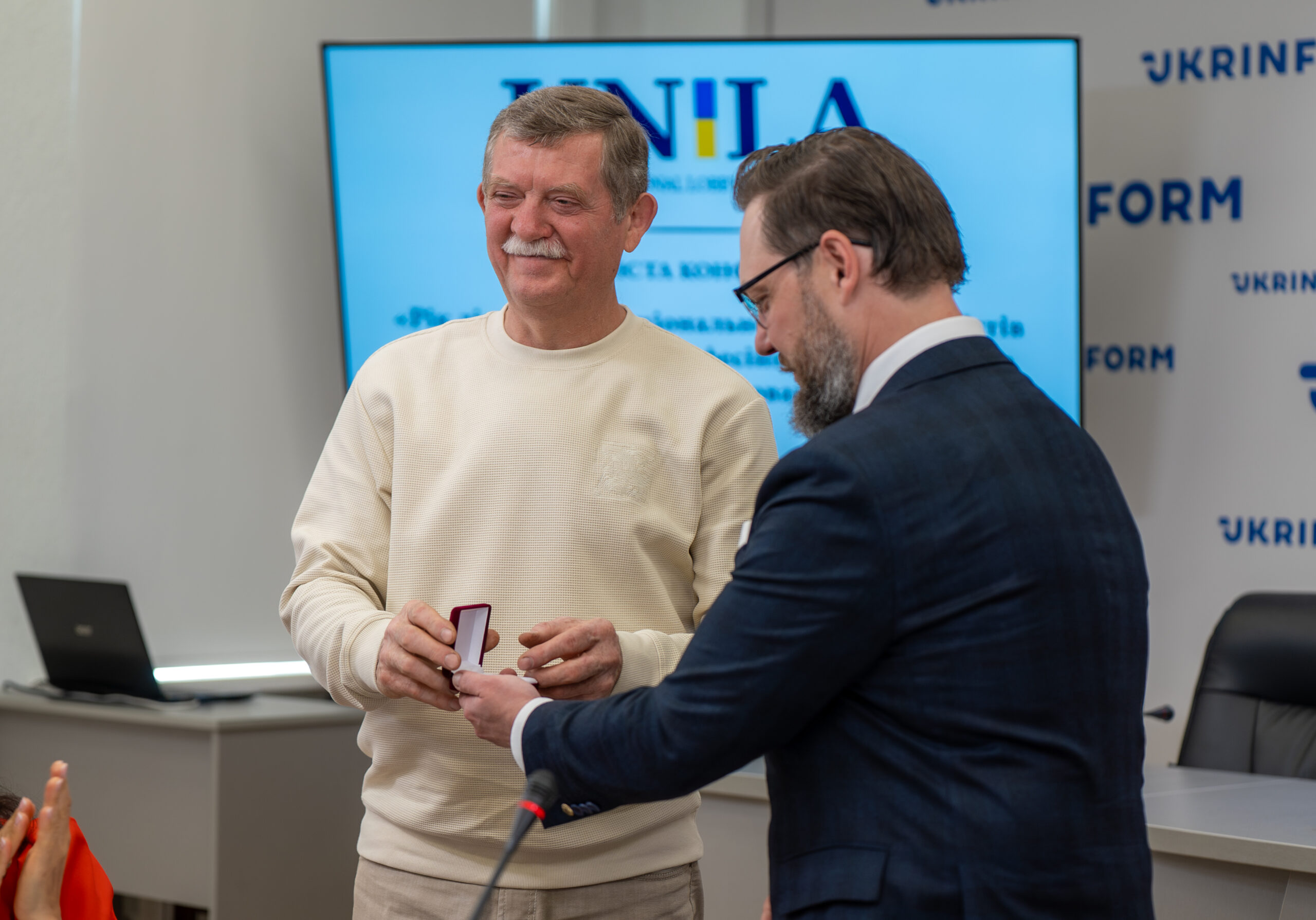
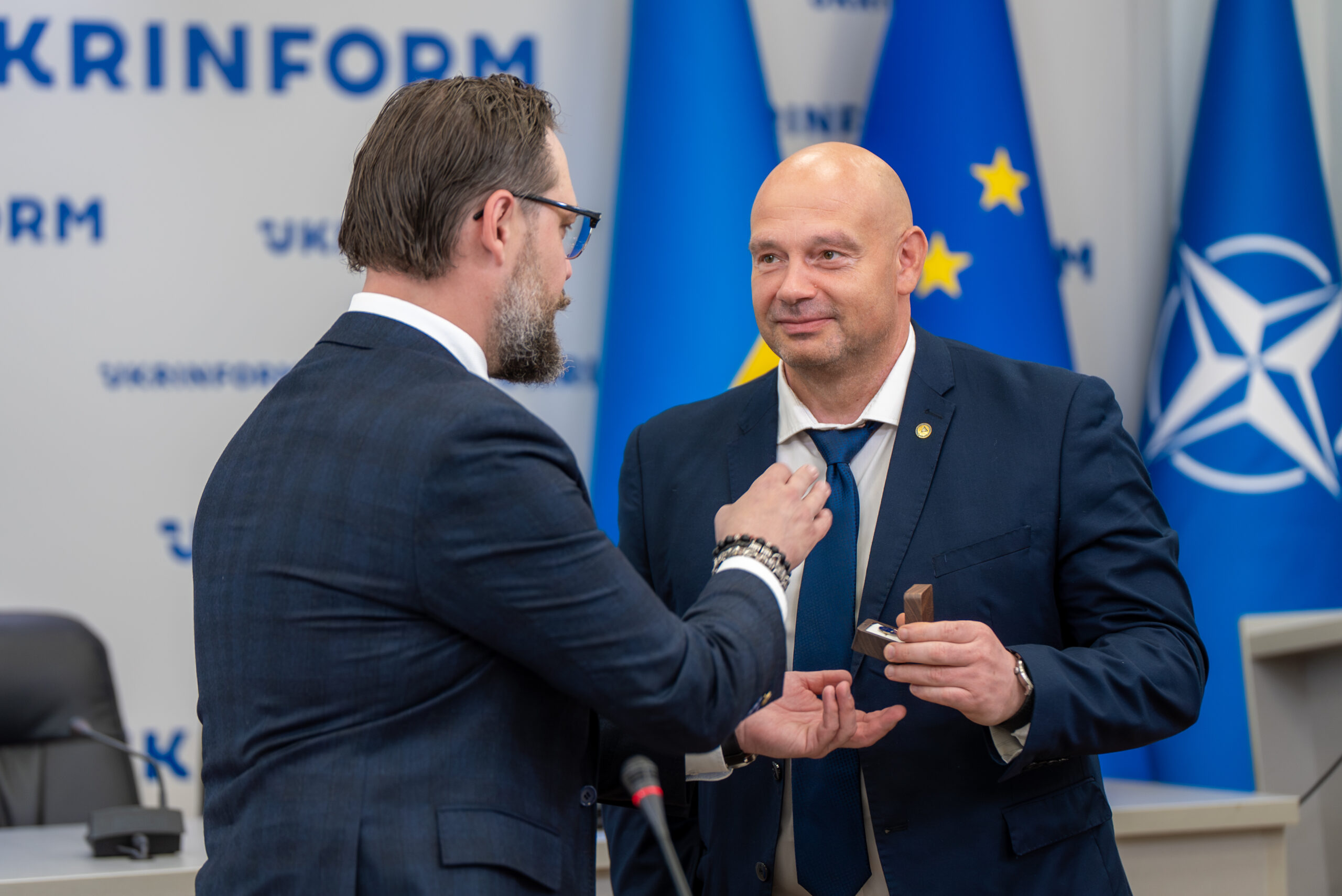
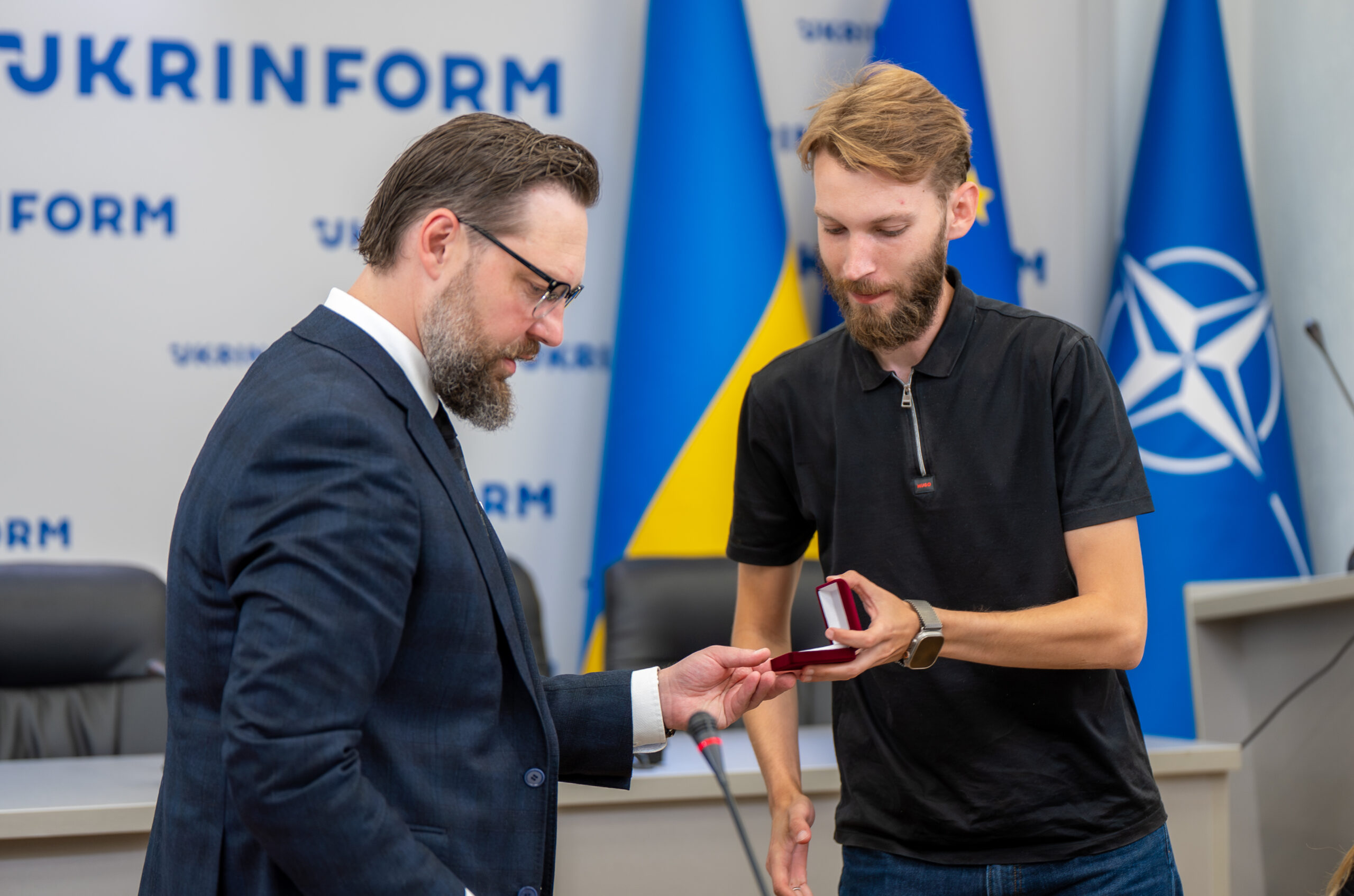
THE FOLLOWING INDIVIDUALS WERE AWARDED CHEST DECORATIONS:
Vasyl Vasylovych Kostytskyi —Chairman of the UNLA Ethics Council, Doctor of Law, professor, Honored Lawyer of Ukraine, and full member of the National Academy of Legal Sciences of Ukraine.
Dmytro Viktorovych Buzanov — attorney, lobbyist, and vice chair of the Ukrainian National Bar Association’s Committee on Information Policy and Media Relations.
Yaroslav Oleksandrovych Kuts — lobbyist, attorney, chairman of A.Dva.Ka.T LLC, and member of the Ukrainian National Association of Attorneys’ Committee on Lobbying.
Violetta Viktorivna Sukhanova is a lobbyist, a member of the UNLA Ethics Council, and an expert on conflicts of interest and strategic cooperation between business and the government.
Oleksandr Gennadiyovych Rudakov — lobbyist, member of the UNLA Ethics Council, and director of Rail Active Management, LLC.
Pavlo Olegovich Hez — lobbyist, attorney, and chair of the UNLA chapter in Dnipro.
Vladislav Oleksandrovych Hrytsenyuk — lobbyist, head of the UNLA chapter in Odesa.
Zhanna Vyacheslavivna Grushko — attorney, chair of the UNLA chapter in Vinnytsia.
Oleh Grigorovich Krykavsky — Director of Government Relations at ArcelorMittal Kryvyi Rih.
Valentyna Anatoliivna Tiutiunnyk is a lobbyist, attorney, and member of the NAAU’s Committee on Lobbying.
Viktor Mykolayovych Shcherbina, member of the Ethics Council of the National Association of Lobbyists of Ukraine, Doctor of Sociology, professor
Yana Yuriyivna Tsymbalenko —member of the Board of Trustees, Anti-Corruption Commissioner of the National Agency for Legal Affairs, associate professor in the Department of Management Theory and Practice at the Igor Sikorsky Kyiv Polytechnic Institute, and Ph.D. in Public Administration.
Lyudmila Oleksandrivna Kozhura —member of the UNLA Board of Trustees, Doctor of Law, professor, and director of the Law Institute at the Vadym Hetman Kyiv National Economic University.
Olha Oleksandrivna Susska — member of the UNLA Board of Trustees, Doctor of Sociology, professor.
Vitalia Viktorivna Globa – Representative of the Ukrainian National Lobbyists Association
Oleksandr Serhiyovych Chernykh, member of the UNLA Board of Directors.
Oleksandr Serhiyovych Kamenets, lobbyist and representative of the Ukrainian National Lobbyists Association in Brussels
This award was more than just a recognition of personal achievements. It demonstrated that the new institution is developing thanks to the collaboration of people with diverse professional backgrounds—lobbyists, attorneys, scholars, leaders of industry associations, GR specialists, and experts in ethics and anti-corruption policy.
UNLA’s first year showed that the legislative recognition of lobbying was only the beginning. Now the professional community faces a more challenging task: to give this new institution real substance, build trust, and prove that advocacy can be transparent, accountable, and beneficial to society.