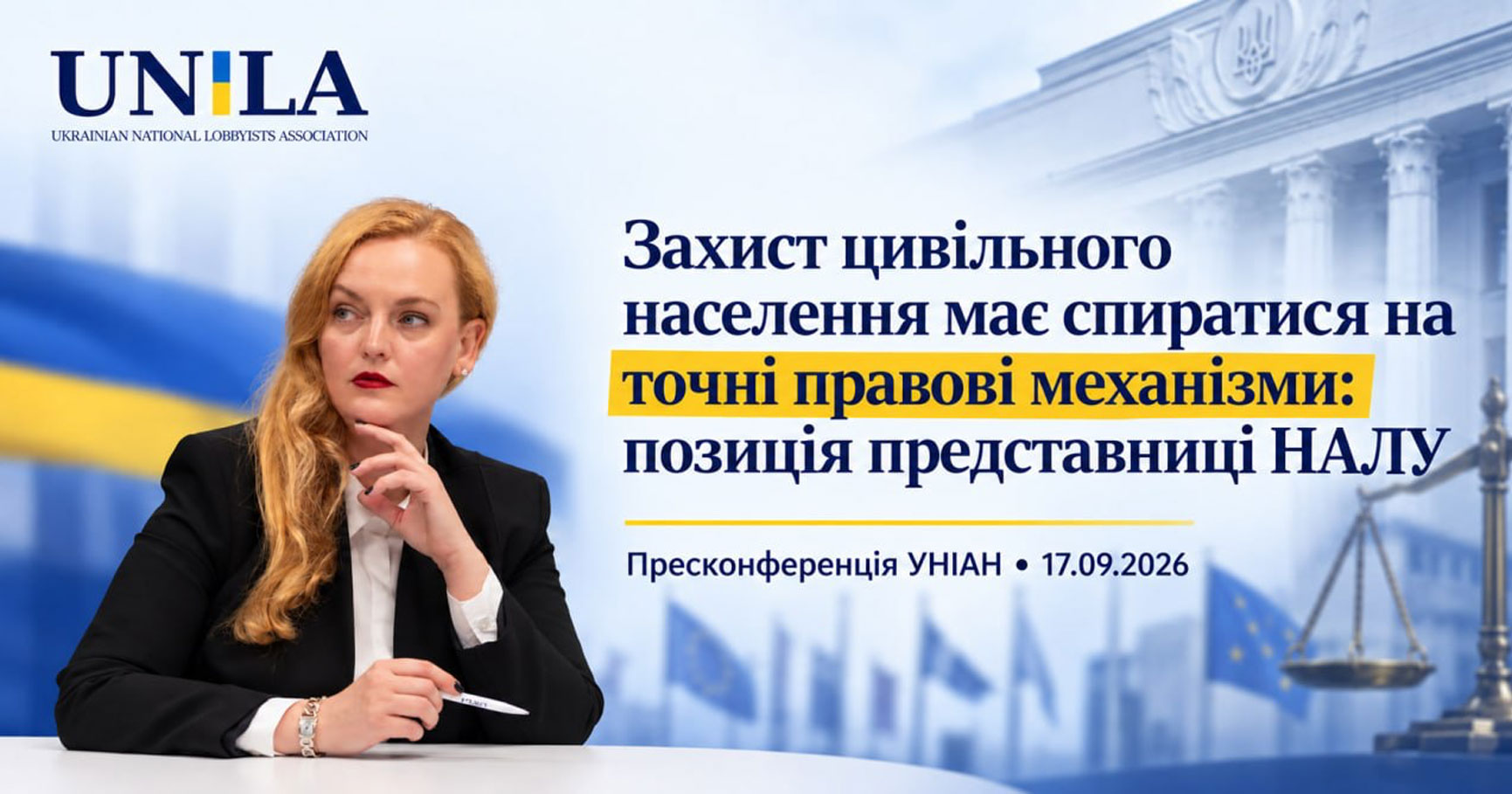
The protection of the civilian population must be based on precise legal mechanisms: the position of a representative of the Ukrainian National Lobbyists Association
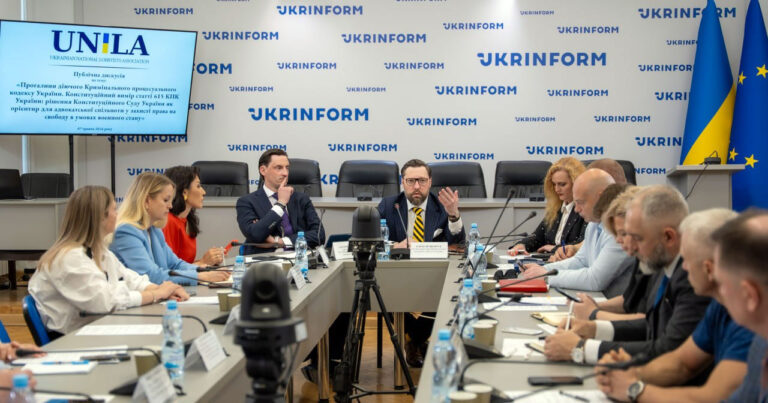
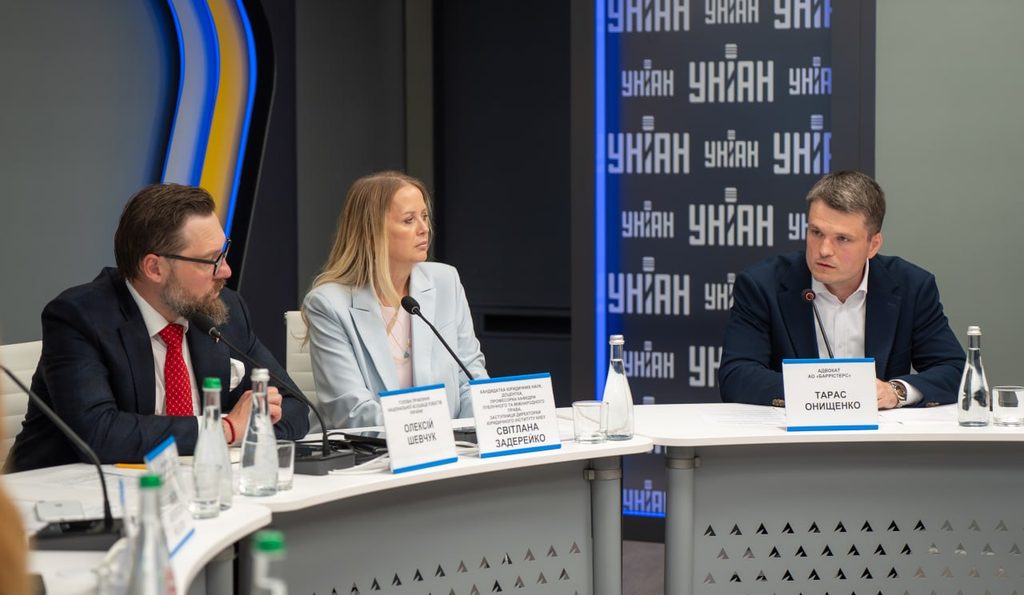
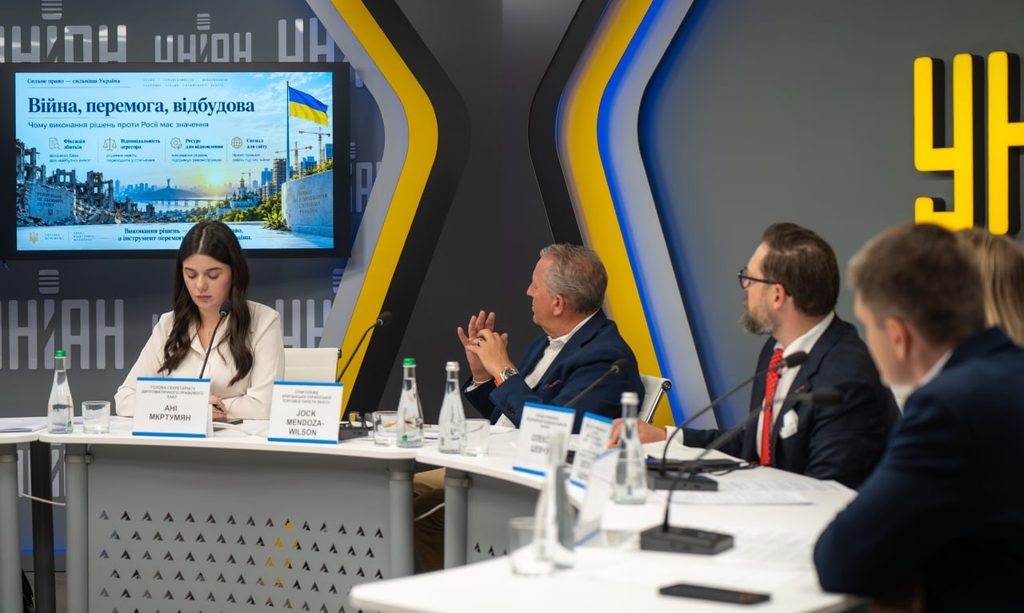
Vitalia Hloba, a representative of the Ukrainian National Lobbyists Association, took part in a public discussion “Procedures and Mechanisms for Compensating Losses Incurred by Citizens and Businesses as a Result of the Russian Federation’s Aggression,” which took place on September 17, 2026, at the UNIAN press center. The event brought together Ukrainian and international lawyers, scholars, and business representatives to discuss ways to restore violated rights and hold those responsible accountable.
In her remarks, Vitalia Globa focused on harmonizing the Criminal Code of Ukraine with the provisions of the Rome Statute. For a country that documents the consequences of Russian aggression on a daily basis, this issue has direct practical significance: international crimes must be clearly classified under the law, and investigators, prosecutors, and courts must have effective legal tools to investigate and adjudicate such cases.
This is particularly evident in crimes against the civilian population. The Rome Statute defines the intentional targeting of civilians or civilian objects in the context of an armed conflict as a war crime. If such acts of violence are part of a widespread or systematic attack against the civilian population, they may constitute crimes against humanity. For Ukraine, where missile and drone strikes are destroying residential buildings, hospitals, educational institutions, and critical infrastructure, such legal clarity ensures proper recognition of the victims’ experiences and lays the groundwork for ensuring accountability.
UNLA supports the Rome Statute as one of the key legal foundations of international criminal justice. Following Ukraine’s ratification of the Statute and its entry into force for our country on January 1, 2025, the next necessary step is to systematically align national legislation with international standards. This does not involve merely formally replicating the provisions of the Statute, but rather eliminating gaps, specifying the elements of international crimes, and ensuring the uniform and predictable application of the law.
This is particularly important in light of the principle of complementarity: the International Criminal Court complements, but does not replace, the national justice system. The vast majority of cases involving international crimes will be investigated and tried in Ukraine itself. Therefore, the relevant amendments to current legislation should strengthen the state’s capacity to protect victims, properly assess each crime, and hold accountable not only the direct perpetrators but also those involved in planning and organizing criminal policies.
At the same time, criminal liability and compensation for damages are distinct legal mechanisms. However, proper documentation of attacks, accurate classification of crimes, and identification of those responsible form a unified system of justice. That is precisely why support for the Rome Statute and the further harmonization of Ukrainian legislation are essential for protecting the civilian population, restoring violated rights, and upholding the principle of the inevitability of punishment for international crimes.